Only COD || Advance में ₹1 भी नहीं देना है
Tata Harrier EV

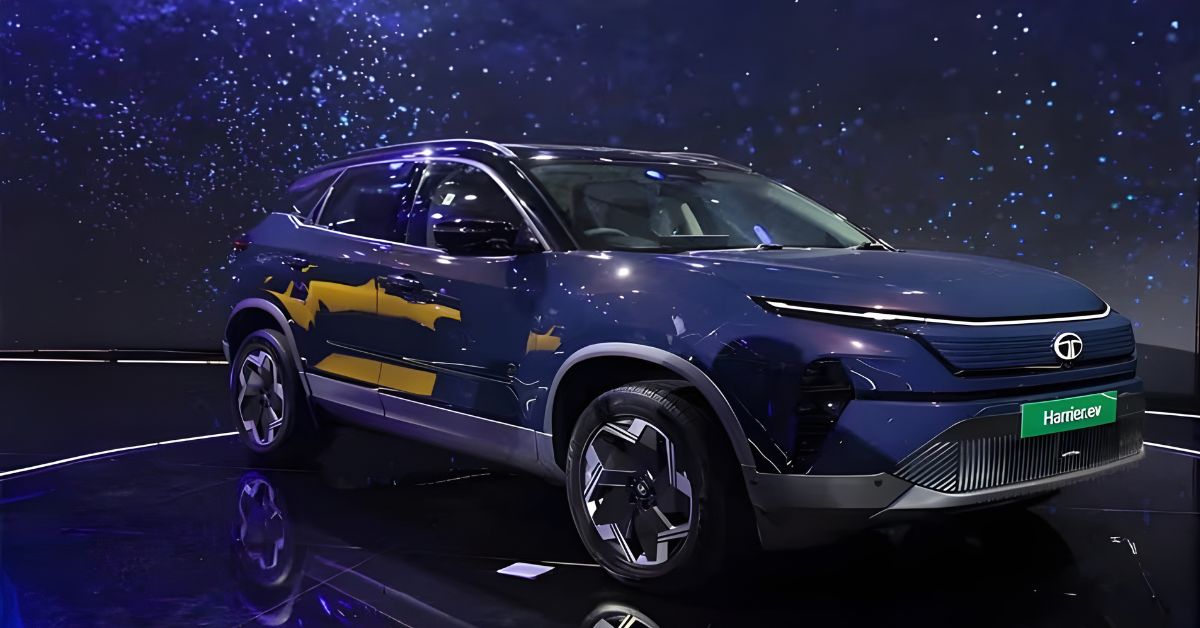
Tata Harrier EV Launched in India: Check Price, 627km Range, and AWD Features

The wait for one of India’s most anticipated electric SUVs is finally over. Tata Motors has officially launched the Tata Harrier EV, marking a massive milestone in the brand’s journey toward electrification. This isn’t just a battery-powered version of the standard Harrier; it is a ground-up transformation built on the advanced acti.ev platform.

For the first time in years, Tata has brought back an all-wheel-drive (AWD) layout to its SUV lineup, positioning the Harrier EV as a serious contender for both city dwellers and off-road enthusiasts. With a bold design and cutting-edge tech, the Harrier EV aims to redefine what an Indian electric SUV can do.

Tata Harrier EV Price and Variants in India

Tata Motors has introduced the Harrier EV with an aggressive pricing strategy to take on rivals. The SUV is available in three primary “personas”—Adventure, Fearless, and Empowered.

  • Starting Price: The range begins at ₹21.49 Lakh (introductory ex-showroom) for the RWD Adventure 65 variant.
  • Top-End Price: The flagship Empowered QWD (All-Wheel Drive) 75 Stealth Edition is priced up to ₹30.23 Lakh.

These prices position the Harrier EV as a premium offering, yet it remains competitive against rivals like the Mahindra XEV 9e and the BYD Atto 3. Tata is also offering a special Stealth Edition for those who prefer a matte black aesthetic and a darker, more sophisticated interior theme.

Read more: Volvo EX30

Battery, Range, and Performance

The Harrier EV comes with two battery pack options designed to suit different range requirements.

  • 65 kWh Battery: This unit offers a certified range of approximately 538 km on a single charge.
  • 75 kWh Battery: The larger pack pushes the range up to a claimed 627 km.

The real highlight is the Quad Wheel Drive (QWD) dual-motor setup. This configuration delivers a combined output of 313 hp and over 500 Nm of torque. It allows the massive SUV to sprint from 0 to 100 km/h in just 6.3 seconds. For charging, the vehicle supports 120 kW DC fast charging, which can replenish the battery from 20% to 80% in about 25 minutes.

Off-Road Capability and New Tech

Unlike most front-wheel-drive electric cars, the Harrier EV is built for the “unbeaten path.” The AWD variants feature six terrain response modes, including Sand, Mud-Ruts, and Rock Crawl. A unique “Transparent Bonnet” mode uses cameras to show the ground directly beneath the front wheels, making it easier to navigate rocky or tricky surfaces.

The interior is a massive leap forward in technology. It features a massive 14.5-inch QLED touchscreen infotainment system and a 10.25-inch digital driver display. Other premium touches include a 10-speaker JBL sound system with Dolby Atmos, ventilated front seats, and a “Summon Mode” that lets you move the car in or out of tight parking spots using just your smartphone.

Safety and Future Outlook

Safety remains a top priority for Tata. The Harrier EV comes with a 5-star safety rating and is equipped with seven airbags, a 360-degree camera, and a full Level 2 ADAS suite. The ADAS includes features like adaptive cruise control, autonomous emergency braking, and blind-spot monitoring.

As deliveries begin across India, Tata is also focusing on its charging infrastructure. The company is offering a lifetime warranty on the battery pack for early buyers, aiming to build trust in long-term EV ownership. With the Harrier EV now on the road, the competition in the premium electric SUV space has reached a boiling point.

Frequently Asked Questions (FAQs)

What is the real-world range of the Tata Harrier EV?

While the certified range is up to 627 km, the real-world range is expected to be around 450 km to 500 km depending on driving conditions, terrain, and use of air conditioning.

Does the Tata Harrier EV have 4×4 or AWD?

Yes, the higher variants of the Harrier EV come with a dual-motor All-Wheel Drive (AWD) system, which Tata calls “Quad Wheel Drive.” It includes specific off-road modes for snow, mud, and sand.

How long does it take to charge the Harrier EV?

Using a 120 kW DC fast charger, you can charge from 20% to 80% in 25 minutes. A standard 7.2 kW home AC fast charger will take approximately 10 to 11 hours for a full 10% to 100% charge.

What is the price difference between the petrol and EV Harrier?

The Harrier EV starts at ₹21.49 lakh, which is higher than the base diesel/petrol versions. However, the top-end EV variants are priced closer to the top-tier diesel trims while offering much lower running costs.

Does it come with a sunroof and ADAS?

Yes, the Harrier EV features a large panoramic sunroof and a Level 2 ADAS (Advanced Driver Assistance System) suite with features like lane-keep assist and emergency braking.
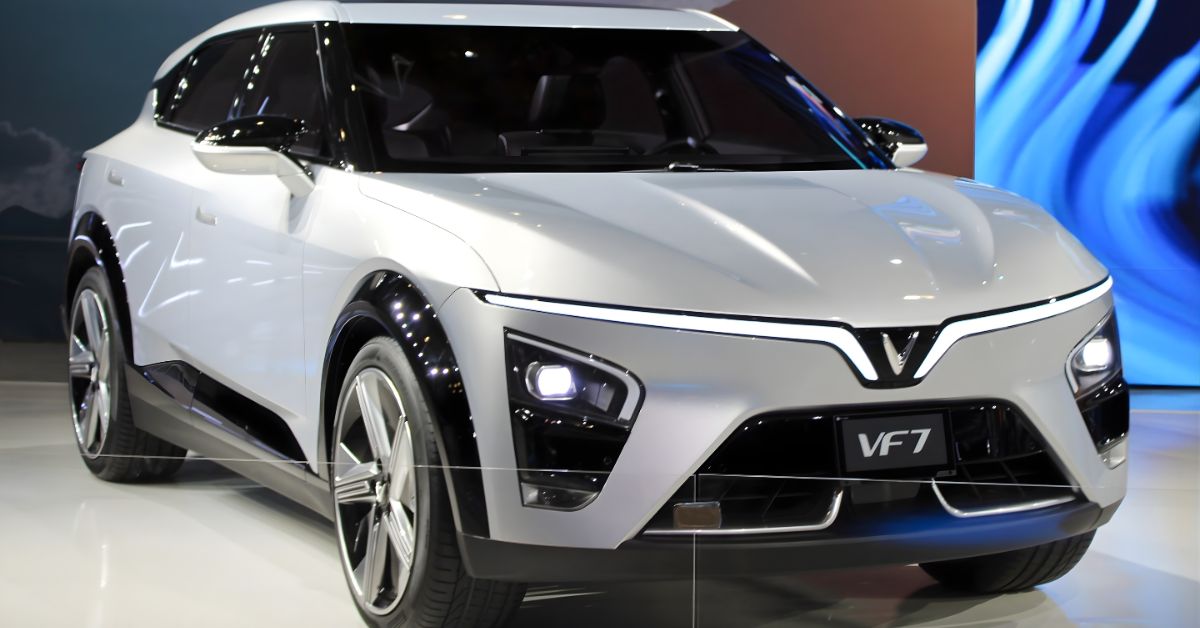
VinFast VF7

VinFast VF7 Price in India 2026: Specs, 532km Range, and 5-Star Safety Rating

The Indian electric vehicle (EV) market has a bold new player. Vietnam’s automotive giant, VinFast, has officially disrupted the premium SUV segment with the launch of the VinFast VF7. As of January 2026, the VF7 has firmly established itself as a flagship offering, combining futuristic “Aerospace” design with high-performance electric power.

Locally assembled at VinFast’s state-of-the-art facility in Thoothukudi, Tamil Nadu, the VF7 is not just a global product brought to India; it is a statement of the brand’s long-term commitment to the country. With deliveries now in full swing and the company ranking as India’s fourth-largest EV maker just months after its debut, the VF7 is quickly becoming a common sight on urban roads.

VinFast VF7 Price in India and Variants

VinFast has positioned the VF7 competitively to take on both established luxury EVs and upcoming mid-size electric SUVs. Following the end of its initial introductory pricing, the current ex-showroom prices for the five available variants are:

  • VF7 Earth (Base): ₹20.89 Lakh
  • VF7 Wind: ₹23.49 Lakh
  • VF7 Wind Infinity: ₹23.99 Lakh
  • VF7 Sky (AWD): ₹24.99 Lakh
  • VF7 Sky Infinity (AWD): ₹25.49 Lakh

The “Infinity” trims are particularly popular in India as they come equipped with a massive fixed panoramic glass roof, adding to the cabin’s premium and airy feel.

Read more: Nissan Magnite 2026

Performance: Range and Battery Options

The VF7 offers two distinct battery configurations to suit different driving needs. The entry-level Earth variant features a 59.6 kWh battery pack with a front-wheel-drive setup, delivering 177 hp and a healthy range of 438 km.

For those seeking more power, the Wind and Sky variants upgrade to a larger 70.8 kWh battery. The top-tier Sky AWD (All-Wheel Drive) variant is a performance beast, churning out 353 hp and 500 Nm of torque. This allows the SUV to sprint from 0 to 100 km/h in just 5.8 seconds, making it one of the quickest EVs in its price bracket.

Charging is also remarkably efficient. Using a DC fast charger, the VF7 can juice up from 10% to 70% in approximately 24 to 28 minutes, significantly reducing range anxiety for long-distance travelers.

5-Star Bharat NCAP Safety Rating

In a major win for the brand, the VinFast VF7 recently secured a perfect 5-star safety rating from Bharat NCAP in January 2026. This rating applies to both adult and child occupant protection across all variants.

The vehicle comes standard with seven airbags, including a driver knee airbag. It also features a comprehensive Level 2 ADAS (Advanced Driver Assistance Systems) suite, which includes adaptive cruise control, lane-keeping assist, and emergency braking. For the Indian buyer who prioritizes safety, this official certification puts the VF7 ahead of many competitors.

Why It Matters: The “V Face” Design and Tech

The VF7 stands out on the road thanks to its signature “V Face” LED lighting—a wing-shaped light bar that stretches across the front and rear. Inside, the cabin is minimalist and driver-centric.

Instead of a traditional dashboard, most functions are controlled via a crisp 12.9-inch or 15-inch touchscreen. Interestingly, the VF7 ditches the standard instrument cluster in favor of a Heads-Up Display (HUD), which projects speed and navigation directly onto the windshield, keeping the driver’s eyes on the road.

What’s Next for VinFast India?

VinFast is not stopping with the VF7. The company has announced an aggressive “one launch every six months” strategy. Following the success of the VF6 and VF7 SUVs, the brand is currently testing the Limo Green, a 7-seater electric MPV expected to launch by mid-2026.

Additionally, VinFast is expanding its “V-Green” charging network through partnerships with HPCL and is scaling up its Tamil Nadu plant to produce electric scooters and buses, aiming to become a top-three carmaker in India within the next decade.

Frequently Asked Questions (FAQs)

What is the range of the VinFast VF7 in India?

The VinFast VF7 offers an ARAI-rated range between 438 km and 532 km depending on the variant and battery size (59.6 kWh or 70.8 kWh).

Is the VinFast VF7 4×4 or AWD?

Yes, the higher-end Sky and Sky Infinity variants come with an All-Wheel Drive (AWD) system and dual motors, providing superior grip and faster acceleration.

What is the warranty on the VinFast VF7 battery?

VinFast offers an industry-leading battery warranty of 10 years or 2,00,000 km in India, whichever comes first. They also currently offer free charging at their V-Green stations until 2028 for early buyers.

Is VinFast an Indian company?

No, VinFast is a Vietnamese automotive company. However, it has heavily invested in India, setting up a large manufacturing plant in Tamil Nadu where it locally assembles its vehicles for the Indian market.

Does the VF7 have a sunroof?

The “Infinity” variants (Wind Infinity and Sky Infinity) come with a premium fixed panoramic glass roof. The base variants do not include this feature.

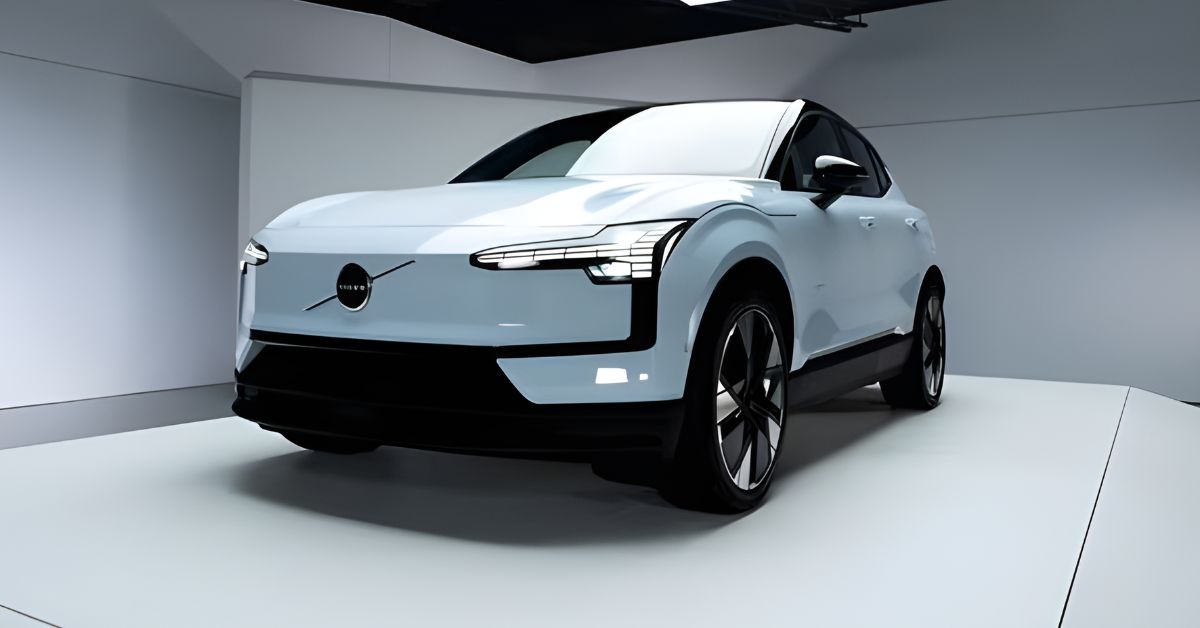
Volvo EX30

Volvo EX30 Launched in India: Price, 480km Range, and Top Features

The wait for Volvo’s most compact and affordable electric SUV is finally over. In January 2026, the Volvo EX30 has officially hit Indian roads, marking a significant step in the Swedish automaker’s goal to become a fully electric brand by 2030. Locally assembled at Volvo’s Hoskote plant near Bengaluru, the EX30 is designed to attract a younger generation of luxury buyers looking for a sustainable yet high-performance vehicle.

This “baby Volvo” may be small in size, but it is a giant in terms of technology and speed. Positioned below the EX40 and EC40, the EX30 offers a minimalist Scandinavian design paired with an impressive electric range, making it a strong contender in India’s rapidly growing premium EV segment.

Volvo EX30 Price in India and Variants

Volvo has introduced the EX30 in a single, top-spec variant for the Indian market: the RWD Ultra. While the company offered a special festive price of ₹39.99 lakh for early bird bookings, the current ex-showroom price has been revised to ₹41.00 lakh.

Depending on the city and local taxes, the on-road price typically ranges between ₹43 lakh and ₹47 lakh. This pricing strategy puts the EX30 in a “sweet spot,” undercutting many of its luxury rivals and making it one of the most accessible premium electric cars available in India today.

Read more: Citroen C3 

Range, Battery, and Performance

The India-spec Volvo EX30 is equipped with the 69 kWh Extended Range battery pack. This Nickel Manganese Cobalt (NMC) battery is more energy-dense than standard options, allowing the SUV to deliver a claimed WLTP range of 480 km on a single charge. In real-world Indian driving conditions, owners can expect a healthy range of approximately 350 km to 380 km.

Performance is where the EX30 truly shines. The rear-wheel-drive motor produces 272 hp and 343 Nm of torque, enabling the car to sprint from 0 to 100 km/h in just 5.3 seconds. For those in a hurry, the car supports 153 kW DC fast charging, which can juiced up the battery from 10% to 80% in about 26 to 28 minutes.

Minimalist Interior and Advanced Safety

Step inside, and you’ll notice that Volvo has completely reimagined the car cabin. There is no traditional instrument cluster behind the steering wheel; instead, all information is displayed on a vertically mounted 12.3-inch tablet-style touchscreen. This screen runs on a Google-based operating system, meaning Google Maps, Assistant, and the Play Store are built right in.

Sustainability is a core theme, with the interior featuring recycled materials like denim, flax, and woven wool. Despite its entry-level positioning, the EX30 does not compromise on safety. It has earned a 5-star Euro NCAP rating and comes packed with features like:

  • Door Opening Alert: Sensors that warn you if a cyclist or scooter is approaching from behind before you open the door.
  • ADAS Level 2: Including adaptive cruise control, lane-keeping aid, and intersection auto-brake.
  • 360-degree Camera: Making parking in tight Indian city spots effortless.

Competition and Market Impact

The Volvo EX30 enters a competitive field, facing off against the Hyundai Ioniq 5, BYD Sealion 7, and the BMW iX1. Its primary advantage is its compact size, which is perfect for navigating crowded cities like Mumbai or Bangalore, combined with the prestige of the Volvo badge.

While the rear seat space is a bit tight for three adults and the lack of physical buttons might take some getting used to, the EX30’s combination of safety, speed, and sustainability makes it a compelling package for the modern Indian urbanite.

Frequently Asked Questions (FAQs)

What is the price of Volvo EX30 in India?

The Volvo EX30 is priced at ₹41.00 lakh (ex-showroom). On-road prices in major cities like Delhi and Bengaluru range between ₹43 lakh and ₹49 lakh depending on local registration and insurance costs.

What is the real-world range of the Volvo EX30?

While the official WLTP-claimed range is 480 km, the real-world range in Indian traffic and weather conditions is expected to be around 350 km to 380 km on a full charge.

Is the Volvo EX30 4×4 or AWD?

In India, Volvo currently offers the EX30 only in the Single Motor Extended Range (RWD) configuration. The Twin Motor AWD (All-Wheel Drive) variant available globally has not been launched here yet.

Does it have a sunroof?

Yes, the Volvo EX30 Ultra variant comes with a large panoramic glass roof, which makes the cabin feel more spacious and airy. However, please note that it does not have a mechanical sunshade.

How safe is the Volvo EX30?

The EX30 is extremely safe. It has achieved a 5-star safety rating from Euro NCAP and features seven airbags, including a central airbag to prevent occupants from colliding with each other during a side impact.

Citroen C3

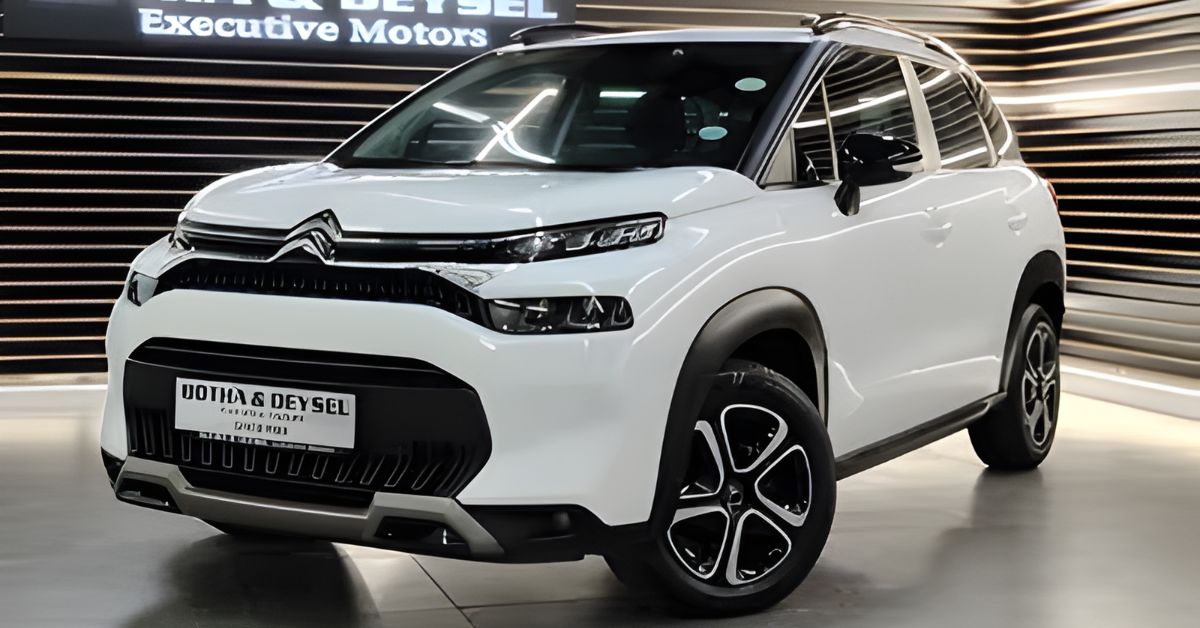
Citroen C3 Updates: New Prices, Features, and Strategy for India

Citroen India is changing the way it sells cars. In a surprising move this week (January 2026), the French carmaker launched a new variant of its C3 hatchback called the C3 Live (O). But there is a catch: you cannot just walk into a showroom and drive it out.

For the first time, Citroen has introduced a “Bookings-Led Production” strategy. This means the company will manufacture this specific car only after you book it. Along with this new strategy, the C3 Live (O) brings a host of premium features to the budget segment, aiming to rival the Tata Punch and Maruti Swift.

1. What is the “Bookings-Led” Strategy?

Usually, car companies build cars in advance and send them to dealers. However, to avoid unsold stock piling up, Citroen has decided to build the new C3 Live (O) only against confirmed customer orders.

  • How it works: You pay the booking amount at the dealer. The factory then receives the order and builds your car.
  • Why they are doing it: This helps Citroen manage costs better and ensures that every car made already has a buyer.
  • Impact on you: You might have to wait slightly longer for delivery compared to regular models, but you get a freshly built unit.

2. C3 Live (O): High Value for Money?

The new Live (O) variant is positioned just above the base model. It is designed for buyers who want modern tech without spending too much.

Read more: Porsche Cayenne Electric 

  • Price: It is launched at ₹5.49 Lakh (ex-showroom).
  • The Upgrade: For just roughly ₹24,000 more than the base ‘Live’ trim, you get over 10 new features.
  • Key Features Added:
    • 10.1-inch Touchscreen: Yes, the massive screen with Wireless Android Auto & Apple CarPlay is now available in this lower variant.
    • Interior: It gets premium leatherette seat upholstery, which is rare at this price point.
    • Convenience: A rear-view camera, 4 speakers, and steering-mounted controls are included.
    • Look: It comes with full wheel covers and body side cladding with chrome inserts.
    • Color: This specific variant is available only in the Perla Nera Black color.

3. Engine and Performance

The C3 Live (O) does not get the powerful Turbo engine. It is focused on city commuters.

  • Engine: 1.2-litre Naturally Aspirated Petrol.
  • Power: It produces 82 bhp and 115 Nm of torque.
  • Gearbox: 5-Speed Manual Transmission.
  • Mileage: You can expect around 19.3 km/l (claimed), with real-world city mileage around 14–15 km/l.

Note: If you want the Automatic or the fast Turbo engine, you still have to buy the top-end ‘Shine’ variants, which cost much more.

4. Safety Concerns

While the new features are great, safety remains a talking point for the C3 hatchback.

  • Global NCAP: The C3 hatchback previously scored 0 Stars in Global NCAP crash tests.
  • Confusion with Aircross: Do not confuse this with the bigger Citroen Aircross SUV, which recently scored a 5-Star rating in Bharat NCAP. The small C3 hatchback has not yet received a similar 5-star certification.
  • Standard Safety: The C3 does come with standard dual airbags, rear parking sensors, and ABS with EBD.

5. Rivals & Verdict

The Citroen C3 Live (O) is a direct threat to the Maruti Alto K10, Renault Kwid, and lower variants of the Tata Punch.

Verdict: If you are on a strict budget (under ₹6.5 Lakh on-road) but absolutely want a big touchscreen, SUV-like looks, and a comfortable suspension, this new variant is an excellent deal. However, you must be willing to wait for the “made-to-order” delivery timeline.

Frequently Asked Questions (FAQs)

Q1: What is the waiting period for the new C3 Live (O)?

Since this car is “made-to-order,” the waiting period will depend on the factory’s schedule. Dealers are currently estimating a wait of roughly 4 to 6 weeks after booking.

Q2: Does the C3 Live (O) have a sunroof?

No, the Citroen C3 does not offer a sunroof in any variant, including this new one.

Q3: Is the C3 Live (O) available in white or grey colors?

No. As of the January 2026 launch, the Live (O) variant is exclusively available in Perla Nera Black.

Q4: Can I get an Automatic transmission in this price range?

No. The Live (O) only comes with a Manual gearbox. The Automatic C3 starts at a much higher price (over ₹10 Lakh) in the Shine Turbo variant.

Q5: Is this car good for highway driving?

The 82 bhp engine is decent for cruising at 80-90 km/h, but it lacks the overtaking power of the Turbo version. It is best suited for city driving.

Nissan Magnite

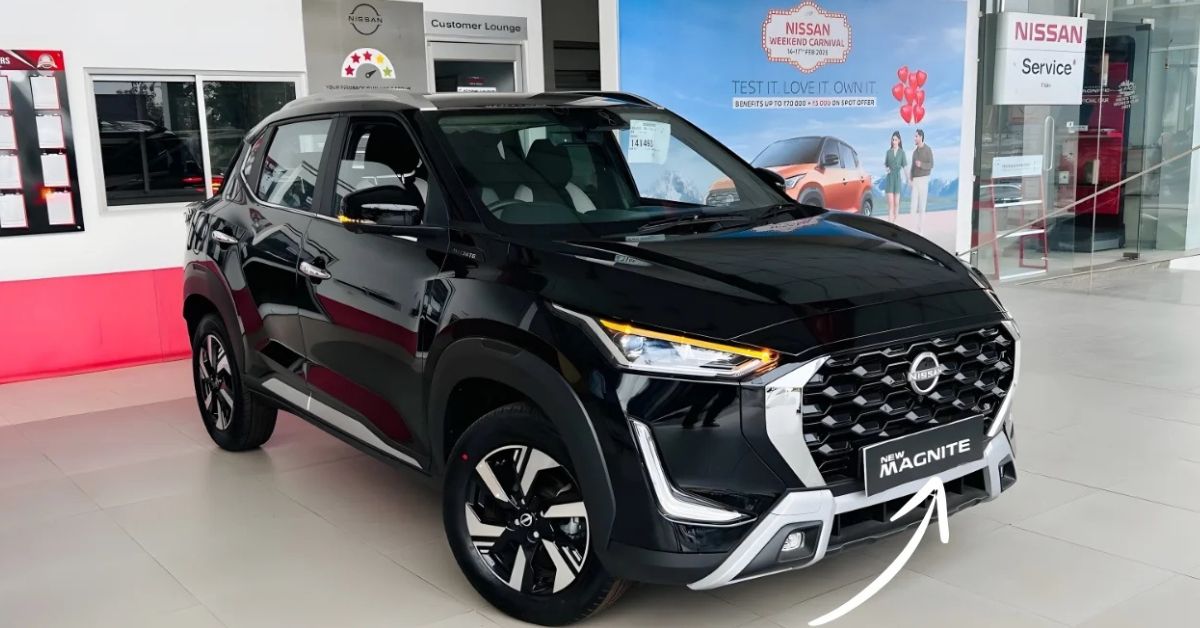
Nissan Magnite 2026: New Price, Features, and 5-Star Global NCAP

If you are planning to buy the “Big, Bold, Beautiful” Nissan Magnite this year, you need to know about two major updates. First, Nissan India has officially increased the prices of its popular SUV starting January 2026. Second, and more importantly, the Made-in-India Magnite has achieved a huge milestone in safety ratings.

The Magnite remains Nissan’s hero product in India, known for offering premium features at an affordable price. But with the new price tag and the improved safety score, is it still the best value-for-money SUV? Here is the full breakdown.

1. Price Hike Alert: How Much More Will You Pay?

Starting January 1, 2026, Nissan has increased the prices of the Magnite by up to 3%. This decision was made to handle rising input costs and inflation.

  • Impact: Depending on the variant you choose, you will now pay roughly ₹17,000 to ₹32,000 more than the 2025 prices.
  • Current Price Range: The ex-showroom price now starts approximately from ₹5.99 Lakh and goes up to ₹11.80 Lakh for the top-end Turbo CVT model.

2. Safety Upgrade: From 4 Stars to 5 Stars

The biggest news for families is the safety update. The Made-in-India Nissan Magnite was recently tested by Global NCAP (for the South African market, which uses the same Indian export model) and it scored a perfect 5-Star Rating for Adult Occupant Protection.

Read more: New Renault Duster

  • Why the jump? Earlier, the Magnite had a 4-star rating. The improvement comes because Nissan has made 6 Airbags, Electronic Stability Control (ESC), and seatbelt reminders standard across all variants.
  • Child Safety: It scored 3 Stars for Child Occupant Protection, which is decent but leaves room for improvement compared to some rivals.

3. Fresh Features in the 2026 Model

The Magnite recently received a facelift (mid-life update) that keeps it looking fresh against newer cars like the Tata Punch and Hyundai Exter.

  • Exterior: It now sports a larger, bolder grille, new 16-inch diamond-cut alloy wheels, and updated LED taillights with a honeycomb pattern.
  • Interior: The cabin feels richer with a new Black and Orange (Sunrise Copper) dual-tone theme. The dashboard now has soft-touch leatherette padding, which makes it feel more premium than before.
  • Tech: It retains the 8-inch touchscreen with Wireless Android Auto & Apple CarPlay, a 7-inch digital driver display, and the popular 360-degree camera (Around View Monitor).

4. Engine Performance: Turbo vs. Non-Turbo

Nissan continues to offer two petrol engine choices. There is no diesel engine available.

  • 1.0L Non-Turbo Petrol: Produces 72 bhp. Best for relaxed city driving. Available with Manual or AMT (EZ-Shift) gearbox.
  • 1.0L Turbo Petrol: Produces 100 bhp. This is the fun-to-drive version with strong pulling power. Available with Manual or a smooth CVT Automatic.

Mileage: The non-turbo engine gives about 19-20 km/l, while the Turbo CVT delivers around 17-18 km/l in mixed conditions.

Why This Matters

The Nissan Magnite is currently the only car keeping Nissan alive in the Indian market. This price hike is small, but the 5-star safety rating is a massive selling point. In a market where buyers are prioritizing safety (thanks to Tata and Mahindra), Nissan has proven that a budget SUV can also be safe.

What Happens Next?

Nissan is not stopping here. Later in 2026, the company plans to launch two new cars:

  1. Nissan Gravite: A 7-seater affordable MPV based on the Renault Triber.
  2. Nissan Tekton: A mid-size SUV to rival the Hyundai Creta.

For now, the Magnite remains a strong contender for anyone with a budget of ₹6 Lakh to ₹10 Lakh.

Frequently Asked Questions (FAQs)

Q1: What is the new starting price of Nissan Magnite in 2026?

After the January price hike, the base model starts at approximately ₹5.99 Lakh (ex-showroom), making it one of the most affordable SUVs in India.

Q2: Is the Nissan Magnite safe for long trips?

Yes, with the new 5-Star Global NCAP rating and 6 standard airbags, it is one of the safest cars in its segment for highway and city driving.

Q3: Does the Magnite have a sunroof?

No, the Nissan Magnite still does not come with a sunroof, even in the top variant.

Q4: Which engine is better: Turbo or Non-Turbo?

If you want power and frequent highway drives, buy the Turbo Petrol. If you only drive in the city and want better mileage, the Non-Turbo is sufficient.

Q5: Is the Magnite AMT good for traffic?

Yes, the AMT (EZ-Shift) is convenient for heavy traffic and is cheaper than the CVT automatic, though the gear shifts can feel slightly jerky compared to the CVT.

New Renault Duster

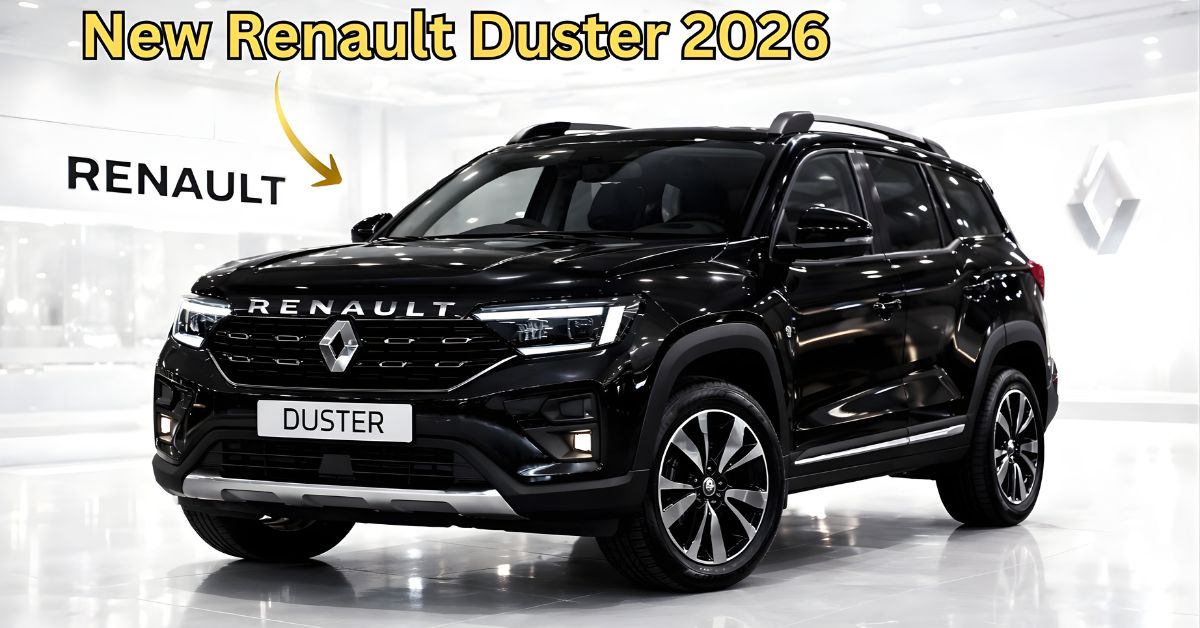
New Renault Duster 2026 India Launch: Hybrid Engine, Price & Features

The car that started the compact SUV craze in India is back! After a long wait, Renault has finally unveiled the all-new 2026 Renault Duster in India. This is not just a facelift; it is a completely new generation built from the ground up.

With a bold new rugged design, premium interiors, and for the first time—a powerful Strong Hybrid engine—the new Duster is ready to challenge the Hyundai Creta and Maruti Grand Vitara. Here is everything you need to know about its launch, price, and features.

1. Official Launch & Booking Details

Renault officially took the covers off the new Duster on January 26, 2026.

  • Bookings: You can now pre-book the car by purchasing an “R Pass” for ₹21,000. This pass gives you priority delivery and special introductory benefits.
  • Price Announcement: The official prices will be revealed in March 2026.
  • Delivery Date: Deliveries for the turbo petrol models will start in April 2026, while the hybrid version will arrive later around Diwali 2026.

2. Engine Options: Power Meets Efficiency

The biggest highlight of the 2026 Duster is what lies under the hood. Renault has ditched the old diesel engines for three modern petrol options:

Read more: New Renault Duster

  • 1.0L Turbo Petrol (TCe 100): This is the entry-level engine producing 100 bhp and 160 Nm torque. It comes with a 6-speed manual gearbox. Good for city driving.
  • 1.3L Turbo Petrol (TCe 160): For performance lovers, this powerful engine churns out 161 bhp and 280 Nm torque. It is available with both a 6-speed Manual and a fast Dual-Clutch Automatic (DCT).
  • 1.8L Strong Hybrid (E-Tech 160): This is the game-changer. It combines a 1.8-litre petrol engine with a 1.4 kWh battery. Renault claims it can drive up to 80% of the time in EV mode within the city, offering mileage likely over 20-25 km/l.

3. Bold New “Bigster” Design

The new Duster looks nothing like the old curvy model. It is boxier, muscular, and looks like a true off-roader.

  • Exterior: It gets Y-shaped LED headlights and taillights, a flat bonnet, and chunky wheel arches.
  • Size: It measures 4,346 mm in length, making it slightly bigger than the Hyundai Creta.
  • Ground Clearance: It stands tall with 212 mm of ground clearance, which is perfect for Indian potholes and rough roads.
  • Wheels: Top models will ride on stylish 18-inch diamond-cut alloy wheels.

4. Interior & Features: Finally Premium!

Renault has fixed the biggest complaint of the old Duster—the boring interior. The new cabin feels modern and rich.

  • Screens: A large 10.1-inch floating touchscreen sits in the center, and the driver gets a 7-inch digital display instead of analog dials.
  • Comfort: It now features ventilated front seats (a must for Indian summers), a powered driver seat, and a wireless charger.
  • Google Built-in: The infotainment system has Google Maps and voice assistant built-in, so you don’t always need your phone.
  • Safety (ADAS): The car comes with Level 2 ADAS features like Automatic Emergency Braking, Lane Keep Assist, and Adaptive Cruise Control.

5. Rivals and Expected Price

The compact SUV segment is the toughest battleground in India. The new Duster will fight against:

  • Hyundai Creta & Kia Seltos: For features and premium feel.
  • Maruti Grand Vitara & Toyota Hyryder: For hybrid efficiency.
  • Skoda Kushaq & VW Taigun: For driving pleasure.

Expected Price: Experts estimate the starting price to be around ₹10 Lakh, with the top-end Hybrid model going up to ₹18 Lakh – ₹20 Lakh (ex-showroom).

Conclusion: Should You Wait?

If you want a family SUV that is tough, safe, and offers excellent mileage with the hybrid tech, the new Duster is definitely worth waiting for. It brings back the “go-anywhere” DNA of the original Duster but with the luxury of a modern car.

Frequently Asked Questions (FAQs)

Q1: When will the new Renault Duster launch in India?

The car has been unveiled, and prices will be announced in March 2026. Deliveries start from April 2026.

Q2: Does the new Duster have a diesel engine?

No, Renault has discontinued diesel engines. The new Duster comes with Turbo Petrol and Strong Hybrid Petrol options only.

Q3: Is the new Duster a 7-seater?

No, the current model launched is a 5-seater. However, a 7-seater version (likely called the Renault Bigster) is expected to launch later in 2027.

Q4: What is the mileage of the Duster Hybrid?

Official figures are not out yet, but the 1.8L Strong Hybrid is expected to deliver a mileage of over 20 km/l to 25 km/l.

Q5: Does it have a sunroof?

Yes, the top variants of the new Renault Duster 2026 come with a panoramic sunroof.

Mini Countryman

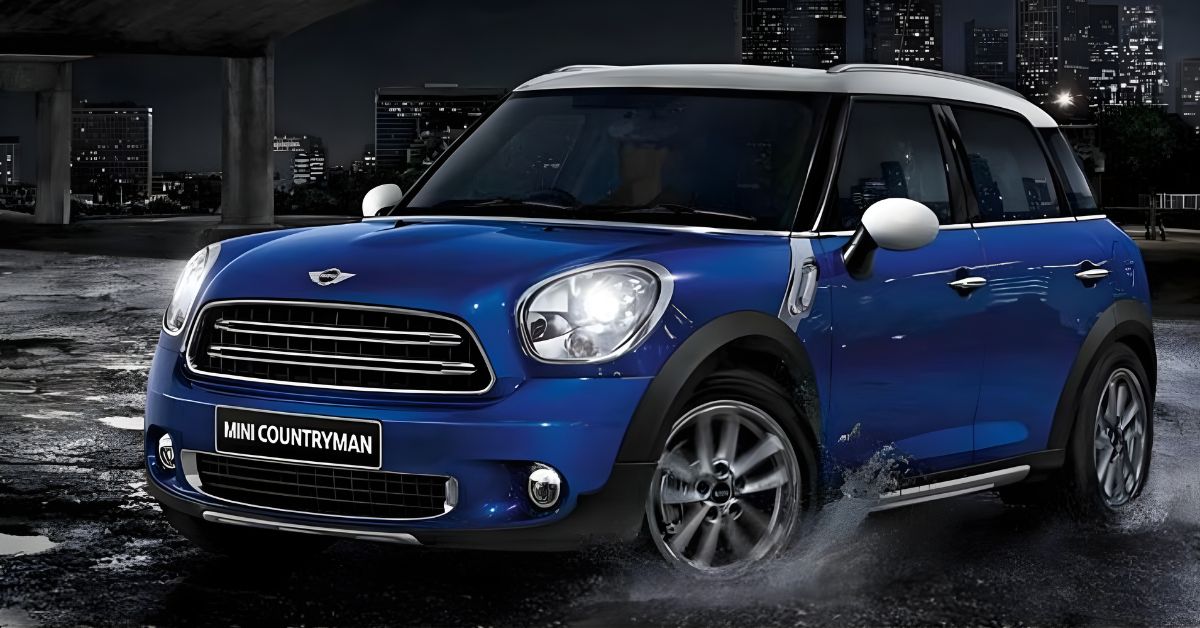
Mini Countryman India Guide: Range, Specs, and On-Road Price

The “Mini” is no longer mini. The new generation Mini Countryman has officially landed in India, and it is the largest, most spacious, and most tech-loaded car the brand has ever produced.

In a major shift, Mini India first introduced this SUV as a pure Electric Vehicle (EV) and later followed up with a powerful high-performance Petrol version (JCW). If you are looking for a luxury crossover that stands out from the crowd of Audis and BMWs, the new Countryman is a strong contender.

Here is a complete guide to the new Mini Countryman lineup in India for 2026, including prices, range, and engine specs.

Two Flavors: Electric vs. Petrol (JCW)

Unlike previous years where you just picked a petrol or diesel engine, the new Countryman splits its personality into two distinct choices:

Read more: New Mini Cooper S

1. The Electric Countryman (The Daily Driver)

Launched to compete with the BMW iX1 and Volvo XC40 Recharge, the electric version is perfect for city dwellers.

  • Variants: Available in Countryman E (standard) and Countryman SE ALL4 (more power + AWD).
  • Range: The 66.45 kWh battery delivers a claimed range of 462 km (WLTP). In real-world Indian conditions, expect around 350–380 km.
  • Power: The base model gives you 204 hp, while the SE ALL4 pumps out 313 hp.
  • Charging: It supports 130 kW DC fast charging, taking the battery from 10% to 80% in just 29 minutes.

2. The Countryman JCW (The Performance Beast)

For those who still love the roar of an engine, Mini launched the John Cooper Works (JCW) edition.

  • Engine: A 2.0-litre, 4-cylinder Turbo Petrol engine.
  • Speed: It produces a massive 300 bhp and 400 Nm of torque.
  • Acceleration: Sprints from 0 to 100 km/h in just 5.4 seconds.
  • Drivetrain: Comes standard with the “ALL4” All-Wheel Drive system for better grip on Indian roads.

Interior: A Sci-Fi Upgrade

The biggest talking point of the new Countryman is the interior. It has ditched the traditional instrument cluster (speedometer behind the steering wheel) completely.

  • The Round OLED Screen: Everything is controlled by a stunning 9.4-inch circular OLED touchscreen in the center. It shows your speed, maps, music, and AC controls.
  • Heads-Up Display (HUD): Since there is no dial behind the wheel, a small glass screen pops up to show the driver their speed so they don’t have to look left.
  • Fabric Dashboard: Instead of leather or plastic, the dashboard is covered in a recycled knitted fabric that looks premium and modern.
  • More Space: This model is 13 cm longer and 6 cm taller than the old one, meaning actual legroom for rear passengers and a boot space of 460 litres.

Prices in India (2026)

The Mini Countryman is brought to India as a CBU (Completely Built Unit), which attracts higher import taxes.

  • Mini Countryman Electric (E): ₹54.90 Lakh (ex-showroom)
  • Mini Countryman Electric (SE ALL4): ₹66.90 Lakh (ex-showroom)
  • Mini Countryman JCW (Petrol): ₹64.90 Lakh (ex-showroom)

Note: On-road prices will be approx. 20% higher depending on your state taxes.

Is It Worth It?

The new Countryman matters because it bridges the gap between a “fun” car and a “family” car. Previously, buying a Mini meant compromising on space. Now, with the increased size and 4-door practicality, it can genuinely serve as a primary family car for a small family.

However, the lack of a standard (non-JCW) affordable petrol variant means the entry price is high. You either pay a premium for the Electric or a premium for the Performance JCW.

FAQs

1. Is there a diesel Mini Countryman available in 2026?

No. Mini has discontinued diesel engines globally for the new generation. You can only choose between Electric or Turbo Petrol.

2. Does the new Countryman have a sunroof?

Yes, most variants in India come with a panoramic glass sunroof as standard or part of a luxury package.

3. What is the ground clearance of the new Mini Countryman?

The ground clearance is approximately 202 mm, which is excellent for handling Indian speed breakers and potholes.

4. How do I see my speed if there is no speedometer?

You check your speed on the central round screen or the Heads-Up Display (HUD) that projects the speed on a small glass panel in front of the driver.

5. Is the Electric Mini Countryman good for long drives?

With a real-world range of roughly 350-380 km, it is decent for inter-city trips (e.g., Mumbai to Pune or Delhi to Jaipur), provided you plan a fast-charging stop midway.

Porsche Cayenne Electric

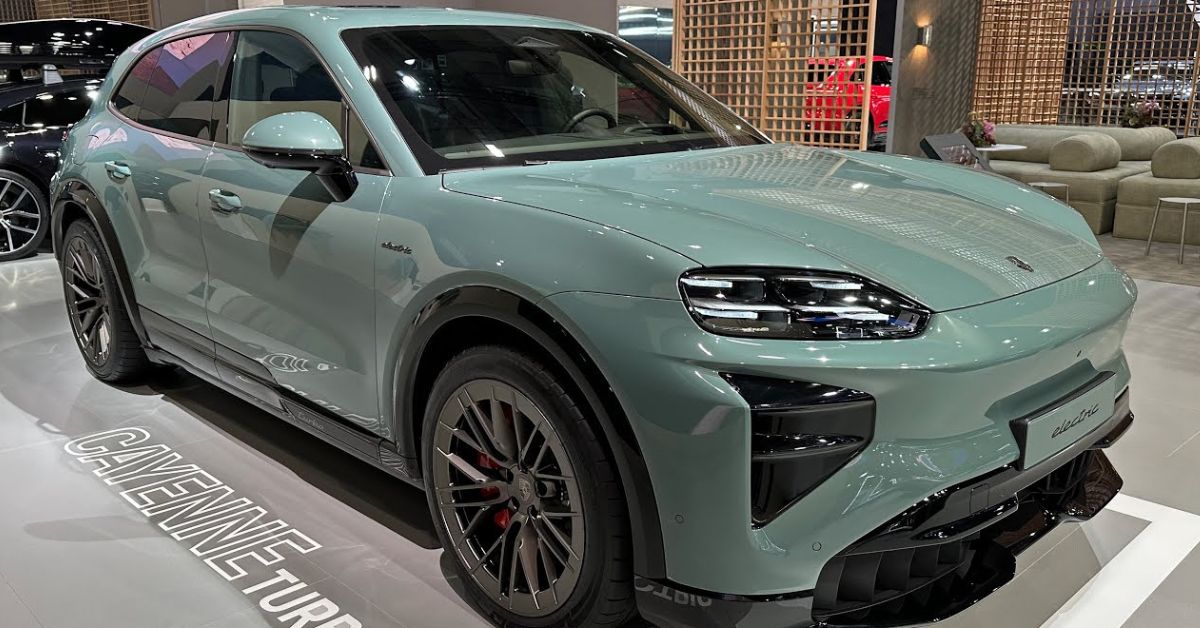
Porsche Cayenne Electric Launched at ₹1.76 Crore: Range, Specs & Features

The wait is finally over for luxury car lovers. Porsche India has officially launched the all-electric Porsche Cayenne, marking a historic shift for the legendary SUV. Known for saving Porsche from bankruptcy years ago with its petrol engine, the Cayenne has now ditched fuel for a massive battery and supercar-level speed.

Porsche has revealed the prices and opened bookings, with deliveries expected to start later in 2026. If you thought electric cars were boring, the specifications of this new SUV will change your mind.

Here is everything you need to know about the new Porsche Cayenne Electric in India.

Price and Variants in India

Porsche has introduced the electric SUV in two main variants. The pricing is aggressive, placing it directly against rivals like the Lotus Eletre and Mercedes-Benz EQS SUV.

  • Cayenne Electric (Base): ₹1.76 Crore (ex-showroom)
  • Cayenne Turbo Electric (Top Model): ₹2.26 Crore (ex-showroom)

Note: These are base prices. Porsche is famous for its expensive optional extras, so the final on-road price will likely be much higher.

Read more: Hyundai Prime SD

Battery, Range, and Charging

The heart of the new Cayenne EV is a massive 113 kWh battery pack.

  • Range: It offers a claimed range of 623 km to 642 km (WLTP cycle) on a full charge. In real-world Indian driving conditions, you can expect around 450–500 km.
  • Fast Charging: It supports 400 kW DC fast charging. If you can find a charger powerful enough, it can charge from 10% to 80% in just 16 minutes.
  • Home Charging: It also supports 11 kW AC charging for home use.

Performance: Faster Than a Supercar

The “Turbo” in the name no longer means a turbocharger; it now simply means “very fast.”

  • Power: The top-spec Turbo Electric produces a mind-blowing 1,156 bhp (brake horsepower) and 1,150 Nm of torque.
  • Speed: It rockets from 0 to 100 km/h in just 2.5 seconds. To put that in context, that is faster than many Ferraris and Lamborghinis.
  • Base Model: Even the standard model produces around 408 bhp, which is more than enough for Indian highways.

Interior and Features

The cabin is a tech-lover’s dream, borrowing heavily from the updated Porsche Taycan and Panamera.

  • Triple Screen Setup: The dashboard is dominated by screens—a curved digital driver display, a central infotainment screen, and a separate 10.9-inch display for the front passenger.
  • Privacy Mode: The passenger screen has a special film so the driver cannot see it, allowing the passenger to watch movies without distracting the driver.
  • Rear Axle Steering: This feature helps the big SUV turn easily in tight Indian city traffic and improves stability at high speeds.

Deliveries and Competition

While you can book the car now, you will have to wait a few months to drive it.

  • Deliveries: Scheduled to begin in the second half of 2026.
  • Rivals: It competes with the Lotus Eletre, Mercedes-Benz EQS SUV, and the BMW iX.

FAQs

1. Is the petrol Porsche Cayenne discontinued?

No. Porsche plans to sell the petrol/hybrid Cayenne alongside the new Electric version for a few more years. You can still buy the V8 or V6 petrol models.

2. What is the real-world range of the Porsche Cayenne Electric?

While the official range is up to 642 km, expect a real-world range of approximately 450 to 500 km, depending on traffic and air-conditioning usage.

3. How fast can it charge?

With a super-fast 400 kW DC charger, it takes about 16 minutes (10-80%). At home with an 11 kW charger, it will take overnight (around 10-12 hours) for a full charge.

4. Does it have a spare tyre?

Like most high-end luxury EVs, it likely comes with a puncture repair kit or run-flat tyres instead of a full-size spare wheel to save weight and space.

5. What is the warranty on the battery?

Porsche typically offers an 8-year or 1,60,000 km warranty on the high-voltage battery, whichever comes first.

New Mini Cooper S

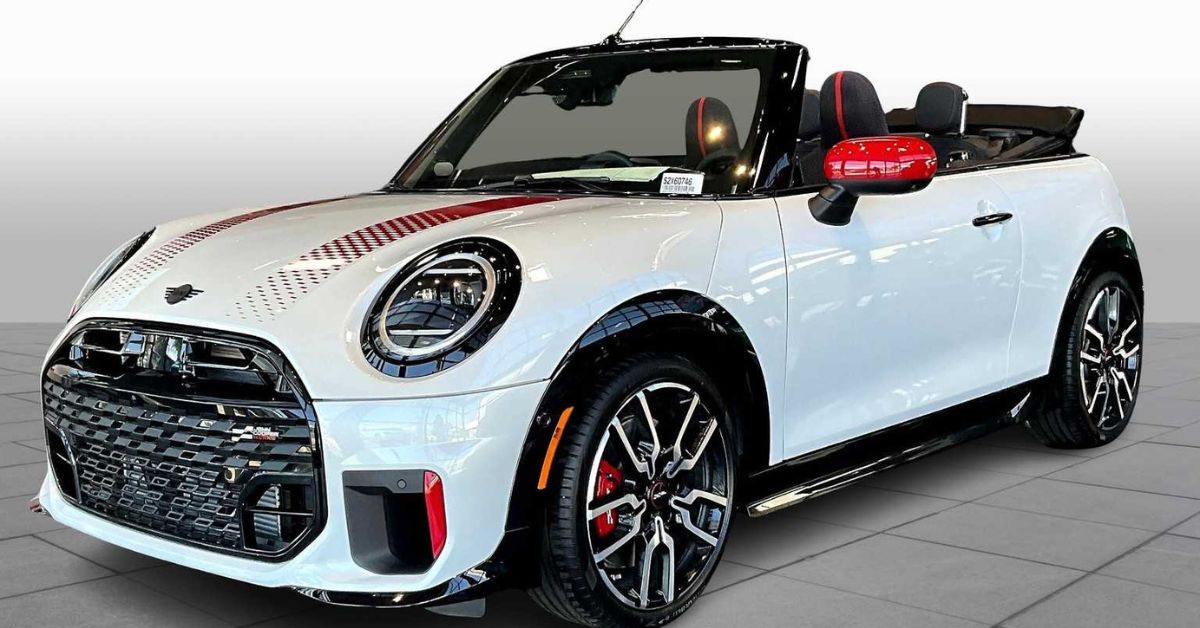
New Mini Cooper S Convertible Launched: Price, Mileage, and Features

If you have ever dreamed of driving with the wind in your hair, there is good news. Mini India has launched the new Mini Cooper S Convertible, and it has already created a storm in the luxury car market.

This iconic British car, famous for its “go-kart” driving feel, is currently the most affordable convertible (open-top car) you can buy in India. However, do not let the word “affordable” confuse you—it is still a premium luxury vehicle with a price tag to match.

Here is a simple breakdown of what this new car offers, its price, mileage, and whether it is practical for Indian roads.

What is Special About the New Mini Convertible?

The biggest selling point of this car is its roof. It features a high-quality soft top that is fully electric.

  • Speed: The roof opens in just 18 seconds and closes in 15 seconds.
  • Convenience: You do not need to stop the car; the roof can operate while driving at speeds up to 30 km/h.
  • Sunroof Mode: You can also slide the roof back just a little bit (about 40 cm) to use it like a sunroof without opening it completely.

The design remains classic “Mini”—round headlights, compact size, and a sporty stance, but with sharper, more modern touches for 2026.

Read more: Hyundai Prime SD

Engine and Performance

Under the hood, the Mini Cooper S Convertible packs a punch. It is built for fun, not just for reaching from point A to B.

  • Engine: 2.0-litre, 4-cylinder Turbo Petrol engine.
  • Power: 201 bhp (Brake Horse Power).
  • Torque: 300 Nm (this gives it that sudden burst of speed).
  • Gearbox: 7-speed Steptronic Sport Dual Clutch Transmission (Automatic).
  • Speed: It goes from 0 to 100 km/h in just 6.9 seconds.
  • Top Speed: 237 km/h.

Interior: Classic Meets Modern

The interior has been completely redesigned to look cleaner and more futuristic.

  • The Screen: The dashboard features a stunning 9.4-inch circular OLED touchscreen. This single screen controls almost everything, including navigation, music, and air conditioning.
  • Heads-Up Display: Since the main screen is in the center, a small glass screen pops up in front of the driver to show speed and navigation arrows so you don’t have to look away from the road.
  • Seats: It comes with sport seats, but remember—this is technically a 4-seater. However, the rear seats are very cramped and best suited for small children or luggage, not adults.

Price and Availability

The new Mini Cooper S Convertible arrives in India as a CBU (Completely Built Unit), meaning it is imported fully made, attracting higher taxes.

  • Ex-Showroom Price: ₹58.50 Lakh.
  • On-Road Price (Estimated): Approx. ₹67 Lakh to ₹74 Lakh (depending on your state taxes).
  • Demand: The first batch of these cars reportedly sold out within 24 hours of the booking announcement, showing high demand among luxury buyers.

Is It Practical for India?

While it is an exciting car, there are two things Indian buyers must consider:

  1. Ground Clearance: It is a sporty car, so it sits low. You will need to be careful over large speed breakers.
  2. Ride Quality: To give that “sporty” handling, the suspension is stiff. You might feel potholes and bumps more than you would in a regular luxury sedan.

Verdict: Who is This Car For?

The Mini Cooper S Convertible is not a family car. It is a “lifestyle” vehicle. It is perfect for someone who already owns a practical daily car (like an SUV) and wants a second car for weekend drives, evening city spins, or simply to make a style statement.

FAQs

1. Is the Mini Cooper Convertible manual or automatic?

It is available only with an automatic transmission (7-speed Dual Clutch). There is no manual option in India.

2. What is the mileage of the Mini Cooper S Convertible?

The claimed mileage is approximately 16-17 km/l. However, in real-world city driving with the AC on, expect around 9-11 km/l.

3. Is the roof safe?

Yes. The soft top is made of high-quality durable fabric. In case of an accident (rollover), the car has a hidden protection system that pops up behind the rear seats to protect passengers’ heads.

4. Can 4 people sit comfortably?

Not really. The front two seats are very spacious and comfortable. The rear seats are very tight with little legroom, suitable only for small kids or keeping bags.

5. Does it have a spare tyre?

Minis usually come with “Runflat” tyres, which allow you to drive for a short distance even after a puncture. Due to limited boot space, a full-size spare wheel is often not included.

Hyundai Prime SD

Hyundai Prime SD Launched: A New CNG Taxi Rival to Maruti Dzire Tour S

For years, if you sat in a taxi in India, it was likely a Maruti Suzuki Dzire or a Tata car. Now, Hyundai has decided to enter this big market with a strong competitor.

Hyundai Motor India has officially launched the Hyundai Prime SD, a new sedan designed specifically for taxi operators and fleet owners. Based on the popular Hyundai Aura, this car focuses on low running costs, high safety, and passenger comfort.

Here is everything you need to know about the Hyundai Prime SD, its price, mileage, and why it matters for the Indian market.

What is the Hyundai Prime SD?

The “Prime SD” (likely standing for Sedan) is a commercial version of the Hyundai Aura. It is built for “yellow plate” owners—such as Uber/Ola drivers, tour operators, and fleet companies.

Alongside this sedan, Hyundai also launched the Prime HB (Hatchback), which is based on the Grand i10 Nios. However, the Prime SD is gaining more attention because sedans are often preferred for airport drops and long-distance commercial travel.

Read more: Mercedes S-Class Facelift 

Engine and Mileage: The Money Saver

For a taxi driver, mileage is the most important factor. Hyundai has equipped the Prime SD with a 1.2-litre Kappa Bi-Fuel engine. This means it comes with a factory-fitted CNG kit, which is safer and more reliable than aftermarket kits.

  • Fuel Type: Petrol + CNG
  • CNG Mileage: 28.40 km/kg (Claimed)
  • Running Cost: Hyundai claims a low maintenance cost (approx. 47 paise per km), which is great for profits.
  • Speed Limit: Since it is a commercial vehicle, it comes with a government-mandated speed limiter fixed at 80 km/h.

Top Features for Safety and Comfort

Hyundai has not stripped down the car completely. Even though it is a budget-friendly taxi model, it comes with impressive safety features that are rare in this segment.

Safety First

  • 6 Airbags: Standard across all models.
  • Rear Parking Sensors: Helps in tight city parking.
  • ABS with EBD: For better braking control.
  • Emergency Stop Signal: Flashes lights during sudden braking.

Passenger Comfort

  • Rear AC Vents: A huge plus for passengers sitting in the back during Indian summers.
  • Power Windows: Front and rear power windows are included.
  • Spacious Boot: The CNG cylinder is placed smartly to allow luggage space for airport trips.

Price and Booking Details

The Hyundai Prime SD is priced aggressively to compete with the Maruti Dzire Tour S.

  • Ex-Showroom Price: Starting at ₹6.89 Lakh.
  • On-Road Price (Delhi est.): Approx. ₹7.76 Lakh.
  • Booking Amount: You can book it at Hyundai dealerships for just ₹5,000.
  • Colors: Available in simple fleet colors like Atlas White, Typhoon Silver, and Abyss Black.

Prime SD vs. The Competition

The biggest rival for the Prime SD is the Maruti Suzuki Dzire Tour S. While the Maruti Dzire is known for easy service availability, the Hyundai Prime SD offers better standard safety (6 airbags) and a slightly more premium cabin feel.

This launch is a big move by Hyundai to capture the “commercial mobility” sector, which is currently dominated by Maruti and Tata Motors.

FAQs

1. Can I buy the Hyundai Prime SD for personal use?

No, this car is primarily designed for commercial registration (yellow number plate). For personal use, you should look at the standard Hyundai Aura.

2. What is the mileage of the Hyundai Prime SD?

In CNG mode, it delivers a mileage of 28.40 km/kg.

3. Does it have a touchscreen music system?

The standard model may not come with a touchscreen, but Hyundai offers an optional accessory pack that includes a 9-inch touchscreen and vehicle tracking system.

4. Is the CNG kit fitted by the company?

Yes, the Prime SD comes with a factory-fitted CNG kit, which offers better safety and warranty coverage compared to outside kits.

5. What is the speed limit of this car?

As per Indian government rules for commercial taxis, the car has a speed governor limited to 80 km/h.

Back to Top
WhatsApp Channel
Compare (0)