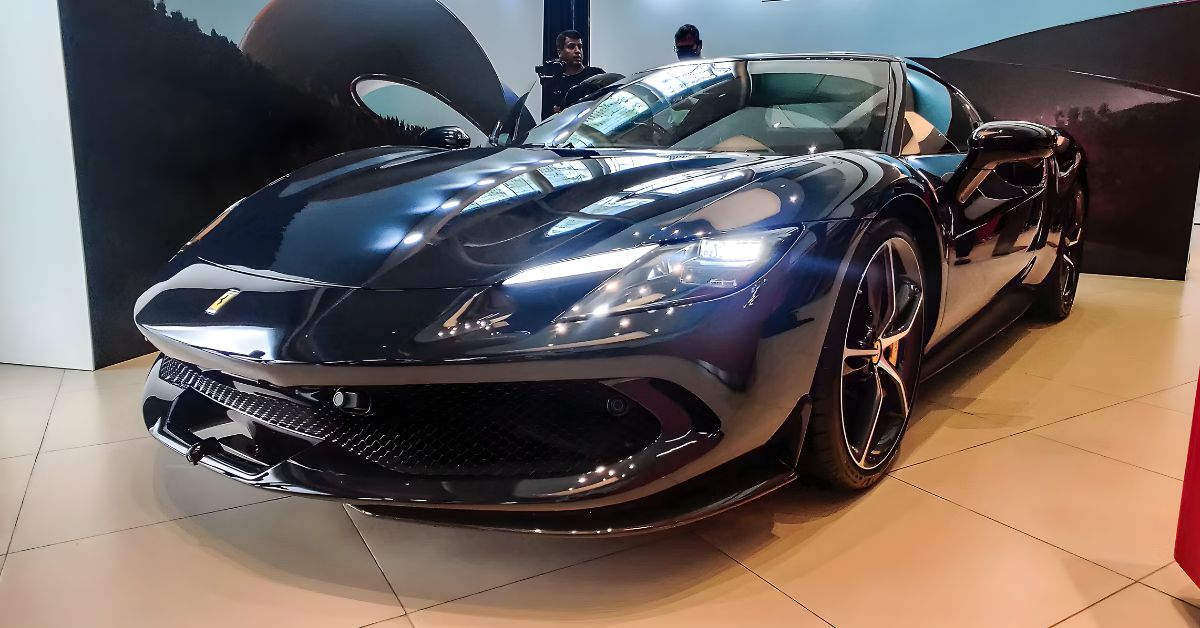
Only COD || Advance में ₹1 भी नहीं देना है
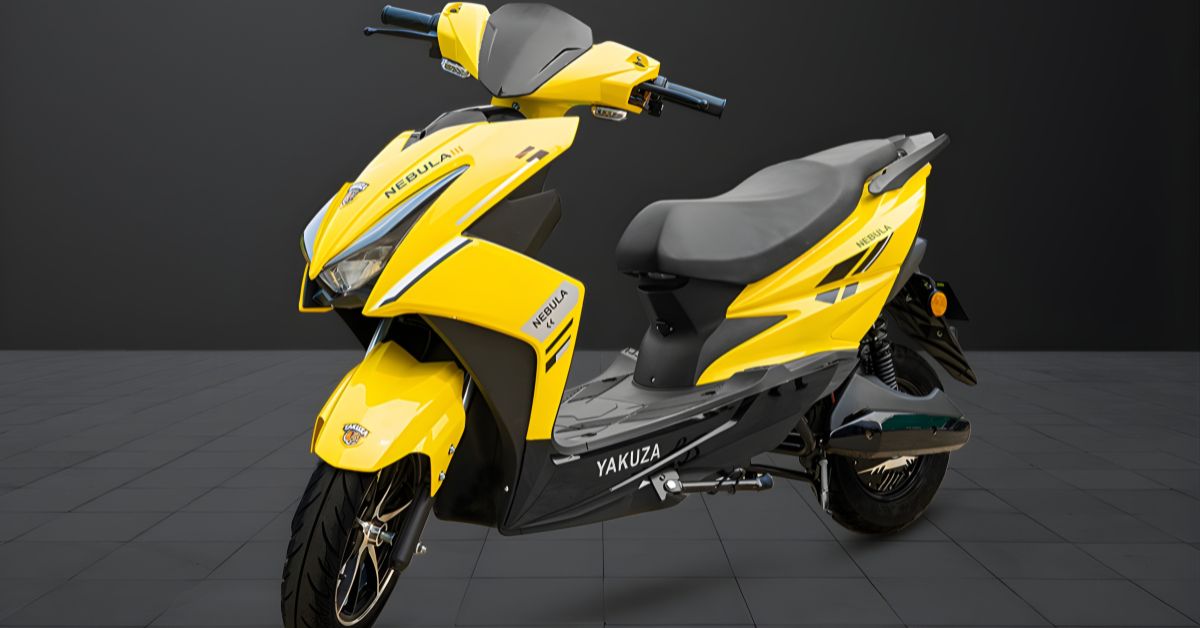
Yakuza Sparrow Electric Scooter

Yakuza Sparrow Electric Scooter: Price, Range, and No-License Features

Petrol prices in India are touching the sky, and many people are looking for cheaper ways to travel. Electric scooters have become the best solution for daily city rides. Among the many options available, the Yakuza Sparrow Electric Scooter is trending because of its low price and unique features.

The biggest reason for its popularity is that you do not need a driving license or vehicle registration to ride it. This makes it a great choice for students, senior citizens, and homemakers who want an easy-to-use vehicle for short distances. Here is everything you need to know about the Yakuza Sparrow, its price in India, and its features.

Why You Do Not Need a License for Yakuza Sparrow

In India, the government has specific rules for electric vehicles. If an electric scooter has a top speed of less than 25 km per hour and a motor power of less than 250 watts, it is considered a “low-speed electric vehicle.”

The Yakuza Sparrow falls into this category. It is designed to run at a safe, low speed. Because of this, the Regional Transport Office (RTO) does not require you to register the vehicle or get a number plate. Also, the rider does not strictly need a driving license to operate it legally on Indian roads. This saves a lot of money and paperwork for the buyer.

Read more: Maruti Suzuki e-Vitara

Battery, Range, and Performance

The scooter is built for city use, not for highway racing. It comes with a 250W BLDC hub motor that is waterproof and durable.

  • Top Speed: The scooter has a maximum speed of 25 km/h. This is safe for busy market areas and colony roads.
  • Battery Options: It usually comes with a Lead-Acid battery (60V or 72V options), but some dealers may offer Lithium-Ion upgrades.
  • Range: On a single full charge, the scooter can travel approximately 50 to 60 kilometers. Some higher variants claim up to 80-90 km, but this depends on the road conditions and rider weight.
  • Charging Time: It takes about 6 to 8 hours to fully charge the battery at home.

Design and Smart Features

Even though it is a budget scooter, the Yakuza Sparrow looks modern and stylish. It does not look like a cheap toy; it has a proper scooter design with a strong body.

The vehicle features a digital instrument cluster that shows your battery level and speed clearly. It comes with LED headlights for better visibility at night and attractive LED DRLs (Daytime Running Lights). For comfort, it has a telescopic suspension system in the front, which helps absorb bumps on bad roads. The scooter also includes a USB charging port, so you can charge your mobile phone while riding.

Another useful feature is the reverse gear. Since electric scooters can sometimes be heavy to push back with your feet, the reverse mode helps you park easily in tight spots.

Yakuza Sparrow Price in India

The price of the Yakuza Sparrow is very affordable compared to high-speed scooters like Ola or Ather.

The ex-showroom price starts around ₹52,000 and can go up to ₹60,000 depending on the battery voltage and dealer location. Since there is no registration tax or road tax involved, the on-road price remains very close to the showroom price. The running cost is extremely low, estimated to be around 15 to 20 paise per kilometer.

Who Should Buy This Scooter?

This scooter is not for everyone. If you need to travel 40 kilometers to your office every day or need to go on highways, this is not for you because the speed is slow.

However, the Yakuza Sparrow is perfect for:

  1. Students going to tuition or college nearby.
  2. Senior Citizens who want a safe, slow-moving vehicle for local visits.
  3. Homemakers who need to visit the vegetable market or drop kids at school.
  4. Delivery Agents working within a small local area to save fuel costs.

Frequently Asked Questions (FAQs)

1. Do I need a driving license to ride the Yakuza Sparrow?

No, you do not need a driving license because the top speed of this scooter is limited to 25 km/h.

2. What is the top speed of the Yakuza Sparrow?

The maximum speed is 25 km/h, which classifies it as a low-speed electric vehicle.

3. How much distance can it cover on one charge?

It typically covers 50 to 60 km on a full charge, though some variants may offer slightly more range.

4. Does it require RTO registration and a number plate?

No, vehicle registration and a green number plate are not required for this specific model.

5. How long does the battery take to charge?

The lead-acid battery variant usually takes 6 to 8 hours to get fully charged.
Maruti Suzuki e-Vitara

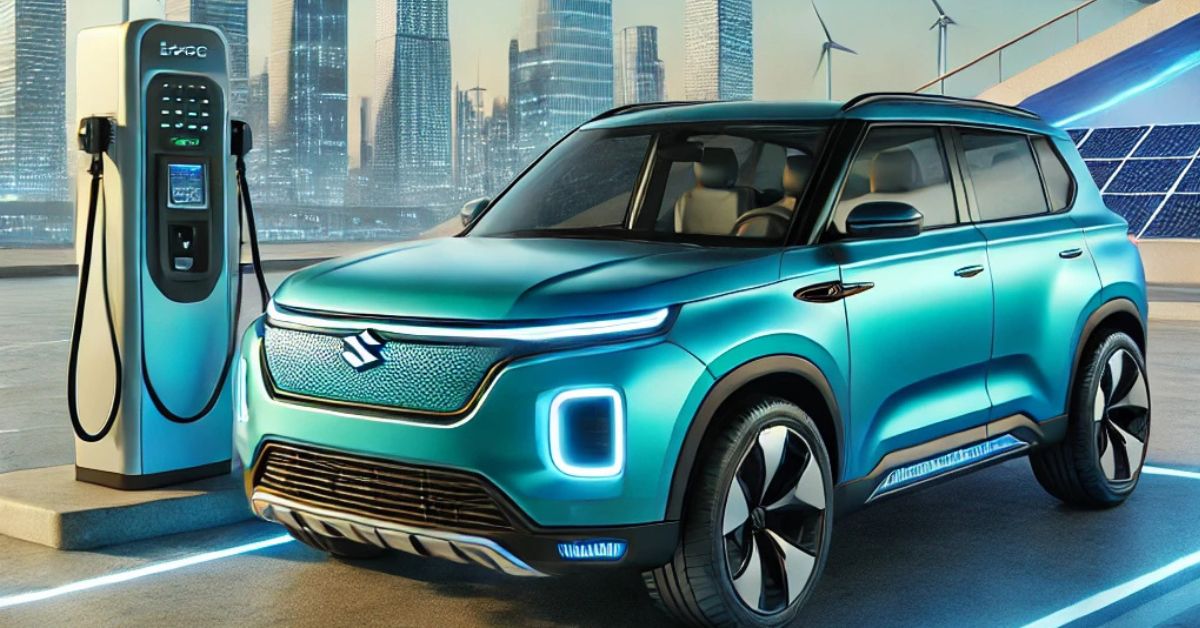
Maruti Suzuki e-Vitara Launch Feb 2026: Confirmed Price, Range & Specs

The wait is finally over for Indian car buyers. Maruti Suzuki is all set to launch its first-ever electric SUV, the e-Vitara, in India this month. After making headlines at the Bharat Mobility Global Expo and undergoing months of testing, the official launch is expected around February 15, 2026.

This is a massive moment for the Indian auto industry because Maruti Suzuki is the country’s largest carmaker. Until now, they have stayed away from electric vehicles (EVs). With the e-Vitara, they are entering the market to compete directly with Tata Motors and MG.

Here is everything you need to know about the Maruti Suzuki e-Vitara, including its battery range, top features, safety rating, and expected price in India.

Launch Date and Expected Price

Maruti Suzuki is expected to announce the official prices for the e-Vitara in the second half of February 2026. Dealerships across India have already started generating hype, and bookings are expected to open shortly.

Industry experts believe the e-Vitara will be priced aggressively to attract buyers.

  • Estimated Starting Price: ₹17 Lakh (ex-showroom)
  • Estimated Top Model Price: ₹22.50 Lakh (ex-showroom)

If Maruti launches it at this price point, it will be a strong rival to the Tata Curvv EV, MG ZS EV, and the upcoming Hyundai Creta EV.

Read more: MG Majestor SUV 

Battery, Range, and Performance

The e-Vitara is built on a brand-new platform called HEARTECT-e, which is designed specifically for electric cars. Unlike some other EVs that are just modified petrol cars, this one is built as an EV from the ground up. This allows for more cabin space and better battery safety.

Maruti is offering two battery pack options to suit different needs:

  1. 49 kWh Battery: This is the entry-level option. It produces about 142 bhp of power and is great for city driving.
  2. 61 kWh Battery: This is the long-range version. It produces 172 bhp and is ideal for highway trips.

Range: The larger 61 kWh battery pack comes with a claimed ARAI driving range of 543 km on a single charge. In real-world driving conditions, you can expect a range of around 350 to 400 km, which is sufficient for most inter-city travel.

Interior and Top Features

Maruti Suzuki has completely changed its design language for the e-Vitara. The cabin feels premium and modern, looking very different from cars like the Brezza or Grand Vitara.

The dashboard features a dual-screen setup that combines the instrument cluster and the infotainment system into one glass panel. It looks sleek and high-tech.

Key features include:

  • Ventilated Front Seats: Keeps you cool during hot Indian summers.
  • Panoramic Sunroof: A large glass roof that opens up to make the cabin feel airy.
  • Wireless Charging: Easily charge your phone without cables.
  • ADAS Level 2: Advanced safety tech like adaptive cruise control and automatic emergency braking.
  • ‘e for me’ App: A dedicated mobile app to find charging stations and check battery status.

5-Star Safety Rating

Safety is a huge priority for Indian families today, and the e-Vitara delivers on this front. The SUV has already scored a 5-star safety rating in Bharat NCAP crash tests.

It comes loaded with safety equipment. All variants get 7 airbags as standard, including a knee airbag for the driver. Other safety features include a 360-degree camera, Electronic Stability Control (ESC), and front and rear parking sensors.

What Happens Next?

With the launch just weeks away, Maruti Suzuki is focusing on charging infrastructure. They are setting up fast chargers at their service centers and dealerships across 1,000 cities.

If you are planning to buy a mid-size SUV, it might be worth waiting a few weeks to test drive the e-Vitara. It promises the trust of Maruti combined with the low running cost of an electric car.

Frequently Asked Questions (FAQs)

1. When is the Maruti Suzuki e-Vitara launching in India?

The car is expected to launch around February 15, 2026.

2. What is the real-world range of the e-Vitara?

While the official ARAI range is 543 km for the top model, the real-world range will likely be between 350 km and 400 km depending on your driving style and AC usage.

3. Is the Maruti e-Vitara safe?

Yes, it is very safe. It has received a 5-star rating from Bharat NCAP and comes with 7 airbags and ADAS Level 2 features.

4. Does it have a sunroof?

Yes, the higher variants (Zeta and Alpha) come with a panoramic sunroof.

5. How long does it take to charge?

Using a DC fast charger, the battery can go from 10% to 80% in about 45 to 50 minutes. Home charging with a standard AC charger will take overnight (around 8-9 hours).

MG Majestor SUV Launch 2026

MG Majestor SUV Launch 2026: Price, Specs, and Features

The battle for the best big SUV in India is about to get very interesting. MG Motor India has officially confirmed that it will unveil its new flagship SUV, the MG Majestor, on February 12, 2026.

For years, the Toyota Fortuner has ruled the premium 7-seater market. Now, MG is bringing a “Majestic” challenger that promises to be bigger, smarter, and more luxurious. The Majestor is essentially a heavily updated and more premium version of the MG Gloster (sold globally as the Maxus D90), designed to sit at the very top of MG’s lineup in India.

Here is everything you need to know about the MG Majestor, its features, and why it is trending before its launch.

Big and Bold Design

The first thing you will notice about the MG Majestor is its size. MG claims this will be the longest, widest, and tallest SUV in its class. It is designed to have a massive road presence, which is exactly what Indian buyers look for in this segment.

Read more: BMW M5 (G90) India

Key design highlights include:

  • Front Look: A huge, bold grille with a “Matrix” style design that looks very aggressive.
  • Lights: It features modern split headlamps and “Falcon-inspired” LED Daytime Running Lights (DRLs).
  • Side & Rear: The SUV sits on large 19-inch alloy wheels. At the back, it gets connected LED tail lamps and a redesigned bumper that makes it look cleaner and more modern than the Gloster.

Interior: Luxury Meets Technology

MG is known for packing its cars with technology, and the Majestor is no exception. While the exterior looks tough, the interior is built for pure comfort and luxury.

The cabin is expected to feature a dual-screen setup, likely with a 12.3-inch infotainment screen and a matching digital instrument cluster for the driver.

Top Comfort Features:

  • Ventilated Seats: Both front and rear seats may come with heating and ventilation (cooling) functions.
  • Panoramic Sunroof: A massive glass roof to make the cabin feel airy.
  • ADAS Level 2: Advanced safety features like automatic emergency braking, lane-keep assist, and blind-spot monitoring will be standard.
  • Climate Control: A three-zone automatic AC system so passengers in the back can set their own temperature.

Engine and Performance

Under the hood, the MG Majestor will stick to reliable diesel power, which is still the preferred choice for big SUVs in India.

It is expected to use the same 2.0-litre diesel engines found in the Gloster but potentially tuned for better refinement:

  1. Single Turbo Diesel: Producing around 161 bhp (for entry-level variants).
  2. Twin Turbo Diesel: A powerful version producing around 215 bhp and 480 Nm of torque (for top-end variants).

The SUV will come with an 8-speed automatic gearbox. Off-road enthusiasts will be happy to know that a 4×4 (Four-Wheel Drive) system with a BorgWarner transfer case and differential locks will be available on the higher trims.

Expected Price and Rivals

The MG Majestor is a premium offering, so it will cost more than the current Gloster. Market experts estimate the price to be between ₹40 Lakh to ₹46 Lakh (ex-showroom).

Its main target is the Toyota Fortuner and Toyota Fortuner Legender. However, it will also compete with the Skoda Kodiaq, Jeep Meridian, and the upcoming Ford Everest (Endeavour).

What Happens Next?

The official unveiling is scheduled for February 12, 2026. On this date, MG will reveal the car to the media and public. The actual price announcement and bookings are expected to follow shortly after the unveil.

If you are planning to buy a big family SUV this year, it might be worth waiting a few weeks to see what the “Majestor” brings to the table.

Frequently Asked Questions (FAQs)

1. When is the MG Majestor launching in India?

MG Motor India will officially unveil the Majestor on February 12, 2026. The price announcement and deliveries are expected to start soon after the unveil.

2. What is the expected price of the MG Majestor?

The estimated ex-showroom price is between ₹40 Lakh and ₹46 Lakh, depending on the variant (2WD or 4WD).

3. Is the MG Majestor better than the Toyota Fortuner?

On paper, the Majestor offers more features, a more luxurious interior, and Level 2 ADAS safety tech compared to the Fortuner. However, the Fortuner is known for its unbeatable resale value and reliability.

4. Does the MG Majestor have a sunroof?

Yes, the MG Majestor will come with a large panoramic sunroof, likely as a standard feature on mid and top variants.

5. Is the MG Majestor a petrol or diesel SUV?

It will launch primarily as a Diesel SUV with a 2.0-litre turbo engine. There is no confirmation of a petrol version yet.

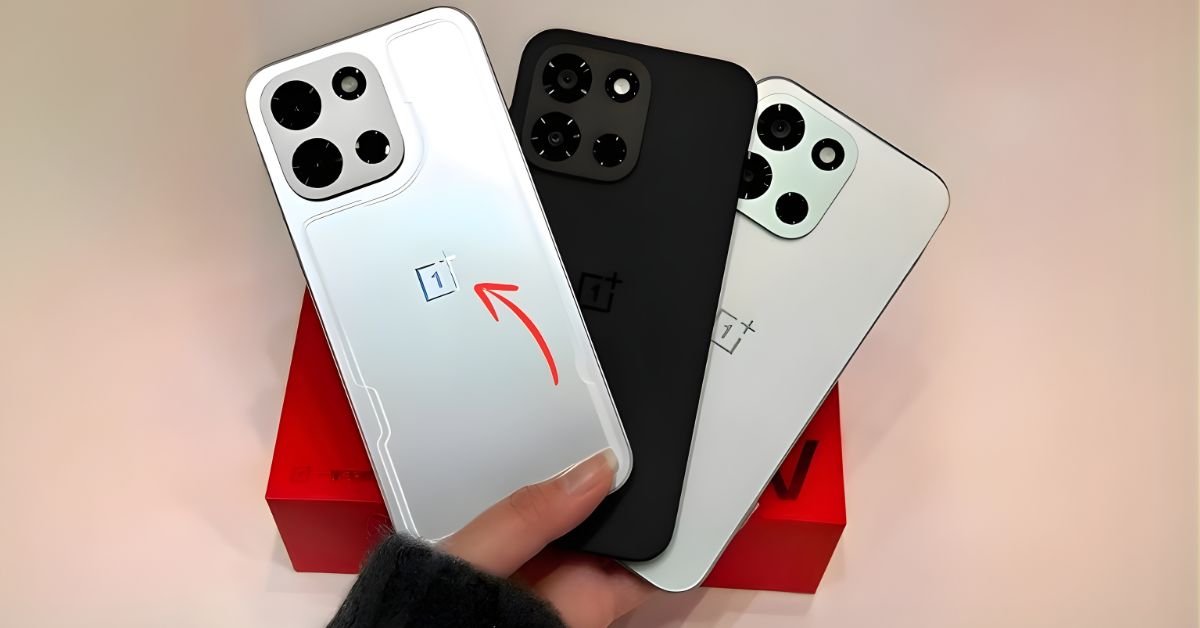
OnePlus Turbo 6

OnePlus Turbo 6 Launched: 9,000mAh Battery & 165Hz Display

OnePlus has officially launched its new “Turbo” series in China, starting with the powerful OnePlus Turbo 6. This phone is making headlines everywhere for one big reason: it has a massive 9,000mAh battery. This is one of the biggest batteries ever seen in a mainstream phone.

While the phone is currently available in China, tech experts believe it will come to India soon, likely under a different name—the OnePlus Nord 6. Here is everything you need to know about this new performance beast, its specifications, and its expected price in India.

What is the OnePlus Turbo 6?

The OnePlus Turbo 6 is a new mid-range smartphone designed for gamers and heavy users. It sits below the expensive flagship phones (like the OnePlus 15) but offers better performance than typical budget phones. The main focus of this device is speed and battery life.

OnePlus also launched a cheaper version called the OnePlus Turbo 6V, but the standard Turbo 6 is the star of the show.

Read more: Redmi Note 15 Pro 

Key Features and Specifications

1. A Record-Breaking Battery

The biggest selling point is the battery. The OnePlus Turbo 6 packs a 9,000mAh silicon-carbon battery.

  • How long does it last? OnePlus claims it can give up to 2 days of heavy use or nearly 10 hours of continuous gaming.
  • Charging: It supports 80W SuperVOOC fast charging. It also has 27W reverse wired charging, meaning you can use this phone to charge your friend’s phone or your earbuds via a cable.

2. Display and Design

  • Screen: It features a 6.78-inch 1.5K AMOLED display.
  • Smoothness: It supports a huge 165Hz refresh rate, which makes scrolling and gaming look incredibly smooth.
  • Durability: The phone is built to be tough. It has IP68 and IP69 ratings, meaning it is fully protected against dust and can survive being submerged in water.

3. Performance Powerhouse

Under the hood, the Turbo 6 uses the Qualcomm Snapdragon 8s Gen 4 processor. This is a very powerful chip, almost as fast as flagship processors. It is paired with up to 16GB of RAM and 512GB of storage, making it perfect for playing heavy games like BGMI or Call of Duty without lag.

4. Cameras

While it is a gaming phone, the cameras are decent:

  • Rear: A 50MP Sony LYT-600 main camera with OIS (Optical Image Stabilization) for clear photos, paired with a secondary lens.
  • Front: A 16MP selfie camera for video calls and social media.

India Launch: Is this the OnePlus Nord 6?

OnePlus often releases phones in China first and then brings them to India with a new name. Reliable leaks suggest that the OnePlus Turbo 6 will launch in India as the OnePlus Nord 6.

If this happens, it will be a huge upgrade for the Nord series. The current Nord phones usually have 5,000mAh batteries, so jumping to 9,000mAh would be a game-changer for Indian users.

Expected India Launch Date: Tech analysts expect the phone to arrive in India in the first half of 2026 (likely around March or April).

Expected Price in India

In China, the OnePlus Turbo 6 starts at CNY 2,099. Based on this, we can estimate the Indian pricing.

  • China Price: Approx. ₹27,000
  • Expected India Price: ₹28,000 to ₹32,000

At this price point, it will compete directly with phones from iQOO, POCO, and Realme.

Why This Matters

For years, smartphone batteries have been stuck at 5,000mAh. OnePlus is finally breaking that limit. If the Turbo 6 (or Nord 6) comes to India with the 9,000mAh battery intact, it will solve the biggest problem for smartphone users: running out of charge before the day ends.

Frequently Asked Questions (FAQs)

Q1: What is the battery size of the OnePlus Turbo 6?

The OnePlus Turbo 6 comes with a massive 9,000mAh battery, which is much larger than the standard 5,000mAh batteries found in most phones.

Q2: Will OnePlus Turbo 6 launch in India?

Yes, it is highly likely to launch in India, but it will probably be renamed as the OnePlus Nord 6.

Q3: Is the OnePlus Turbo 6 good for gaming?

Yes, it is excellent for gaming. It has a powerful Snapdragon 8s Gen 4 processor and a 165Hz high refresh rate screen for smooth gameplay.

Q4: Does it support wireless charging?

No, the OnePlus Turbo 6 does not support wireless charging, but it has 80W fast wired charging.

Q5: Is the phone waterproof?

Yes, it has IP68 and IP69 ratings, making it resistant to dust and water immersion.

Redmi Note 15 Pro

Redmi Note 15 Pro Series Launched in India: Price, Specs & Sale Date

Xiaomi has officially dropped the highly anticipated Redmi Note 15 Pro and Pro+ in India. Here is everything you need to know about the price, specs, and the first sale date.

The wait is finally over for Xiaomi fans in India. On January 29, 2026, Xiaomi officially launched its latest “SuperNote” lineup—the Redmi Note 15 Pro and the Redmi Note 15 Pro+ 5G.

Known for ruling the mid-range market, the Redmi Note series has taken a big leap this year. With prices now touching the ₹30,000–₹40,000 mark, Xiaomi is aiming for a more premium experience. The new phones come with massive battery upgrades, a tough “Titan” body, and a powerful 200MP camera setup.

If you are planning to buy a new phone in 2026, here is a simple breakdown of what these new devices offer and if they are worth your money.

What Happened?

Xiaomi hosted its launch event on Thursday, January 29, 2026, unveiling two key devices for the Indian market:

  1. Redmi Note 15 Pro 5G
  2. Redmi Note 15 Pro+ 5G

Both phones are designed to look premium with a curved display and a new durability standard that Xiaomi calls the “Redmi Titan Structure.” They are built to survive drops and even water immersion, boasting high IP ratings (IP66, IP68, and IP69K).

Read more: Google Pixel 11 Leaks

Redmi Note 15 Pro & Pro+: Key Specifications

Here is a quick look at what powers these two smartphones.

1. Display and Design

Both the Pro and Pro+ feature a stunning 6.83-inch 1.5K AMOLED display. It is a “quad-curved” screen, meaning it curves slightly on all four sides for a modern look.

  • Refresh Rate: 120Hz for smooth scrolling.
  • Brightness: Peak brightness of 3,200 nits, making it easy to read even under direct sunlight.
  • Protection: Covered by Gorilla Glass Victus 2, which is very tough against scratches and drops.

2. Cameras (The 200MP Highlight)

Xiaomi has simplified the camera setup but improved the quality.

  • Main Camera: Both phones use a 200MP Samsung HPE sensor. This huge sensor helps capture sharp details and improves low-light photos.
  • Ultra-Wide: An 8MP ultra-wide lens for landscape shots.
  • Selfie Camera: The Pro+ gets a 32MP front camera, while the regular Pro gets a 20MP shooter.

3. Performance and Processor

This is where the two phones differ the most:

  • Redmi Note 15 Pro+: Powered by the Snapdragon 7s Gen 4 chipset. It is efficient and good for gaming.
  • Redmi Note 15 Pro: Powered by the MediaTek Dimensity 7400 Ultra. This is a solid mid-range chip capable of handling daily tasks smoothly.

4. Battery and Charging

Xiaomi has focused heavily on battery life this year.

  • Pro+ Model: Comes with a 6,500mAh battery and supports super-fast 100W charging.
  • Pro Model: Comes with a slightly larger 6,580mAh battery but supports slower 45W charging.
  • Note: Both chargers are included in the box.

Price in India and Sale Date

The prices are higher than last year’s Note 14 series, pushing the Note series into the “premium mid-range” category.

ModelVariantPrice (INR)
Redmi Note 15 Pro8GB + 128GB₹29,999
8GB + 256GB₹31,999
Redmi Note 15 Pro+8GB + 256GB₹37,999
12GB + 256GB₹39,999
12GB + 512GB₹43,999

Launch Offers:

  • You can get a ₹3,000 discount if you use HDFC or SBI bank cards.
  • Pre-booking Offer: If you pre-book the Pro+, you get a Redmi Watch Move (worth approx. ₹1,999) for free. Both phones also come with a 1-year screen replacement guarantee if booked early.

Sale Date: The first sale starts on February 4, 2026. You can buy them on Amazon India, Mi.com, and at offline retail stores.

Why This Launch Matters

For years, the Redmi Note series was known as the “budget king” in India, usually priced under ₹20,000. With the Note 15 Pro series starting at ₹30,000, Xiaomi is changing its strategy.

They are targeting users who want flagship features—like IP69 water resistance, glass backs, and top-tier cameras—without paying ₹80,000 for a flagship phone. The massive 6,500mAh battery is also a game-changer, addressing the biggest complaint of modern smartphone users: battery life.

What Happens Next?

The phones go on sale next week. Tech experts will soon be testing the Snapdragon 7s Gen 4 processor to see if it justifies the price tag. If you are looking for a cheaper option, you might have to wait a bit longer, or check out the standard Redmi Note 15 if it becomes widely available.

Frequently Asked Questions (FAQs)

Q1: When is the Redmi Note 15 Pro sale in India?

The first sale for the Redmi Note 15 Pro and Pro+ starts on February 4, 2026.

Q2: Is the Redmi Note 15 Pro waterproof?

The series comes with IP66, IP68, and IP69K ratings. This means it is highly resistant to dust, water immersion, and even high-pressure water sprays.

Q3: What is the processor in the Redmi Note 15 Pro+?

The Pro+ model runs on the Snapdragon 7s Gen 4 chipset.

Q4: Does the box come with a charger?

Yes, Xiaomi includes the charger in the box for both the Pro (45W) and Pro+ (100W) models.

Q5: What is the main difference between the Pro and Pro+?

The main differences are the processor (Snapdragon vs. MediaTek), charging speed (100W vs. 45W), and the selfie camera (32MP vs. 20MP). The Pro+ generally offers better performance.

Google Pixel 11

Google Pixel 11 Leaks: Tensor G6, Release Date, and India Price

Google is preparing for its next big smartphone launch in 2026. After the release of the Pixel 10 series last year, all eyes are now on the Google Pixel 11. New reports and leaks have started to appear online, giving us a clear picture of what to expect.

This article covers everything you need to know about the Pixel 11, including its expected release date in India, the new Tensor G6 processor, camera upgrades, and price.

Expected Release Date and Price in India

Google usually launches its flagship phones in the second half of the year. Based on previous patterns, the Google Pixel 11 series will likely be announced globally in August 2026.

For buyers in India, the phone should be available for pre-order on platforms like Flipkart and Amazon shortly after the global event, likely by September 2026.

The price is always a big question. Leaks suggest that the base model of the Pixel 11 could start around ₹79,999 to ₹84,999. The Pro and Pro XL models will be more expensive, possibly crossing the ₹1,00,000 mark.

Read more: Vivo X300 Pro

Tensor G6: A Big Step for Battery Life

The biggest news about the Pixel 11 is its processor. The phone will be powered by the new Google Tensor G6 chip.

Tech experts are excited because this chip is rumored to be built using a 2nm (nanometer) process. In simple terms, this means the chip will be smaller, faster, and much more power-efficient. For Indian users, this is great news because it helps solve two common Pixel problems: overheating and battery drain.

Reports also claim Google might switch to a new modem (possibly from MediaTek). This change would improve 5G connectivity and signal strength, which is very important for users in Indian cities with varying network coverage.

Camera Upgrades: 100x Zoom and “Video Relight”

Pixel phones are famous for their cameras, and the Pixel 11 plans to take this further. The new model is expected to feature a triple camera setup on the back:

  • 50MP Main Sensor
  • 48MP Ultrawide Sensor
  • 12MP Telephoto Lens

The most interesting rumor is a new 100x AI Zoom. This feature will use machine learning to make zoomed-in photos look sharp, even from a long distance.

For video creators, a new feature called “Video Relight” might be introduced. This tool allows you to change the lighting in a video after you have recorded it. Imagine recording a video in low light and then using AI to brighten the subject’s face later.

Returning Feature: Face Unlock Under the Display

A very exciting rumor is the return of secure Face Unlock. Unlike previous phones that needed a large notch or bar, the Pixel 11 might hide the Infrared (IR) camera under the display.

This means you will get a full, clean screen without any interruptions, but you can still unlock your phone securely with your face, even in the dark.

Why This Matters for Indian Users

Google has been focusing more on India recently. They have started manufacturing some Pixel models within the country. If the Pixel 11 is “Made in India,” the company might be able to keep the price competitive against Samsung and Apple.

Also, with the new Tensor G6 chip and better modem, the phone will handle India’s 5G networks much better than older models. The improved battery efficiency will also help users who travel frequently.

What Happens Next?

Currently, these details are based on leaks from reliable tech sources and supply chain reports. Google has not officially confirmed the specs yet.

We expect to see official teasers around May 2026, during the Google I/O developer conference. Until then, more rumors about the design and battery size will likely surface.

Frequently Asked Questions (FAQs)

Q1: When will the Google Pixel 11 launch in India?

The Pixel 11 is expected to launch in India in September 2026, shortly after the global announcement in August.

Q2: Will the Pixel 11 be better for gaming?

Yes. The new Tensor G6 chip is designed to be more powerful and cooler, which should improve gaming performance compared to older Pixel phones.

Q3: Does the Pixel 11 have a good battery life?

Leaks suggest the battery life will be much better. The new 2nm chip technology consumes less power, so the battery should last longer on a single charge.

Q4: Will the Pixel 11 support fast charging?

The phone is expected to support 45W wired charging, similar to the previous generation.

Q5: Is the camera better than the Pixel 10?

Yes, the main upgrades are expected to be the 100x AI zoom and new video editing features like “Video Relight.”

Lamborghini Temerario

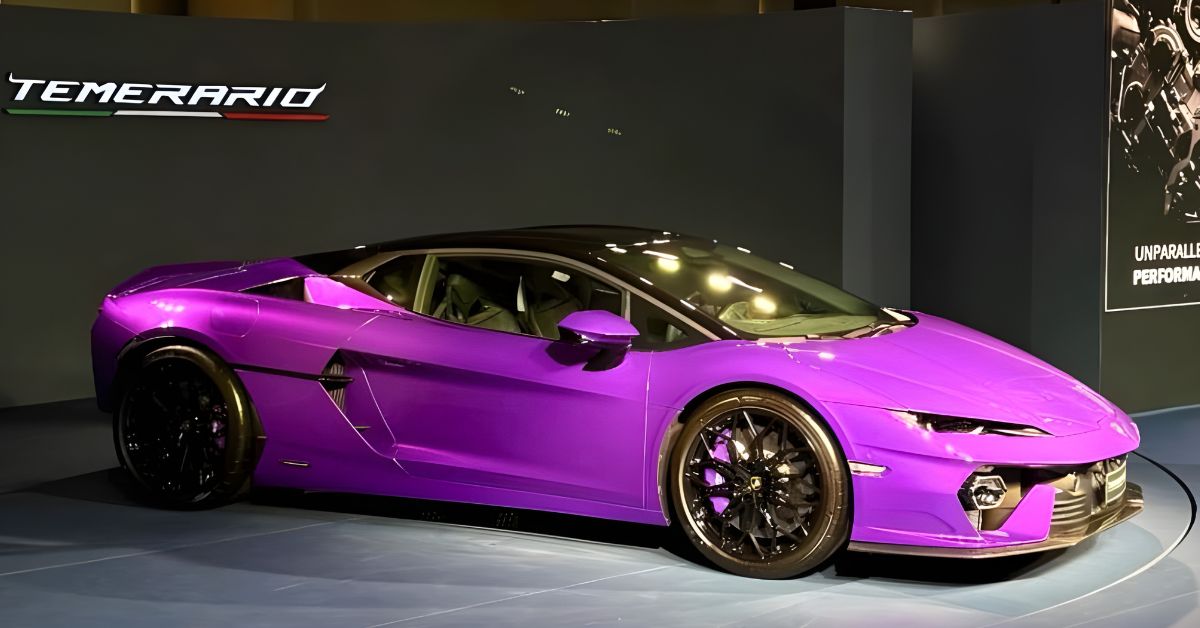
Lamborghini Temerario Launched in India: Price, Specs & Top Speed

The era of the screaming V10 engine is officially over, but Lamborghini has given India something even wilder to replace it. The all-new Lamborghini Temerario has arrived, and it is making headlines everywhere. This is not just another supercar; it is Lamborghini’s bold step into the future.

This new model replaces the beloved Huracán. However, instead of a V10, it packs a high-tech V8 Hybrid engine that is more powerful, faster, and surprisingly, can rev even higher. With a price tag starting at ₹6 Crore (ex-showroom), the Temerario is currently the hottest topic for car lovers in India.

Here is everything you need to know about this Italian masterpiece.

What is the Lamborghini Temerario?

The Temerario is Lamborghini’s new “High Performance Electrified Vehicle” (HPEV). It sits below the flagship Revuelto in the lineup. The name “Temerario” translates to “fearless” or “reckless,” which fits the car perfectly.

While the old Huracán was famous for its raw noise, the Temerario mixes that emotion with modern electric technology. It is designed to be a supercar you can drive every day, yet it offers race-car performance when you push the pedal.

Read more: BYD Sealion 7

Engine and Performance: The Magic Number is 10,000

The biggest news is under the hood. Lamborghini has built a brand new 4.0-liter Twin-Turbo V8 engine.

Usually, turbo engines cannot rev very high. But Lamborghini engineers worked their magic to make this V8 spin all the way to 10,000 RPM. This is extremely rare for a road car and ensures that the engine screams just like a Lamborghini should.

But that is not all. The V8 engine is helped by three electric motors.

  • Total Power: When the engine and electric motors work together, they produce a massive 920 PS (907 HP).
  • Speed: It can rocket from 0 to 100 km/h in just 2.7 seconds.
  • Top Speed: It hits a maximum speed of 343 km/h.

Design and Interior: Like a Fighter Jet

If you see the Temerario on the road in Mumbai or Delhi, you won’t mistake it for anything else. It looks sharper and more aggressive than the Huracán. The front features slim LED headlights with hexagon-shaped daytime running lights (DRLs). The rear has an open design that exposes the massive tires and the engine cooling vents.

Inside, the cabin feels like a cockpit.

  • Three Screens: There is a 12.3-inch display for the driver, an 8.4-inch vertical screen in the center, and a special 9.1-inch slim screen for the passenger.
  • Comfort: Unlike older supercars, it offers more headroom and legroom, so tall drivers can fit easily—even while wearing a helmet.
  • Drift Mode: For fun on the track, it comes with a “Drift Mode” that lets you slide the car easily using the electric motors.

Price and Competition in India

The Lamborghini Temerario starts at ₹6 Crore (ex-showroom). However, once you add essential options, customization, insurance, and road tax, the on-road price in cities like Bangalore or Mumbai will easily cross ₹7 Crore.

In India, it fights against two main rivals:

  1. Ferrari 296 GTB: Another V6 Hybrid supercar that is very fast.
  2. McLaren 750S: Known for its lightweight design and pure speed.

While the competitors are strong, the Temerario stands out because of its high-revving engine and the unique Lamborghini all-wheel-drive experience.

Why This Car Matters

The launch of the Temerario is significant for the Indian market. It proves that hybrid cars are not just about saving fuel—they can be used to make cars faster and more exciting. Lamborghini has seen huge success in India with the Urus SUV, and they expect the Temerario to be their next big seller.

Currently, dealerships across India are accepting orders, but with high demand, the waiting period could stretch over a year.

Frequently Asked Questions (FAQs)

1. What is the price of the Lamborghini Temerario in India?

The car starts at ₹6 Crore (ex-showroom). The final on-road price will be higher depending on your city and the customizations you choose.

2. Is the Lamborghini Temerario a fully electric car?

No, it is a Plug-in Hybrid (PHEV). It has a petrol V8 engine and electric motors. You can charge it, and it can drive a short distance on electric power alone, but it mainly uses petrol.

3. Is it faster than the Lamborghini Huracán?

Yes. The Temerario has 920 PS power compared to the Huracán’s 640 PS. It accelerates faster (0-100 km/h in 2.7 seconds) and has a higher top speed.

4. Can I drive the Temerario in Indian city traffic?

Yes. It comes with a “Città” (City) mode that uses the electric motors for smooth and silent driving in traffic. It also has a nose-lift feature to help go over Indian speed breakers.


5. What does “Temerario” mean?

The name is Spanish/Italian and roughly translates to “fearless,” “reckless,” or “daredevil.”

Rolls-Royce Ghost Series II

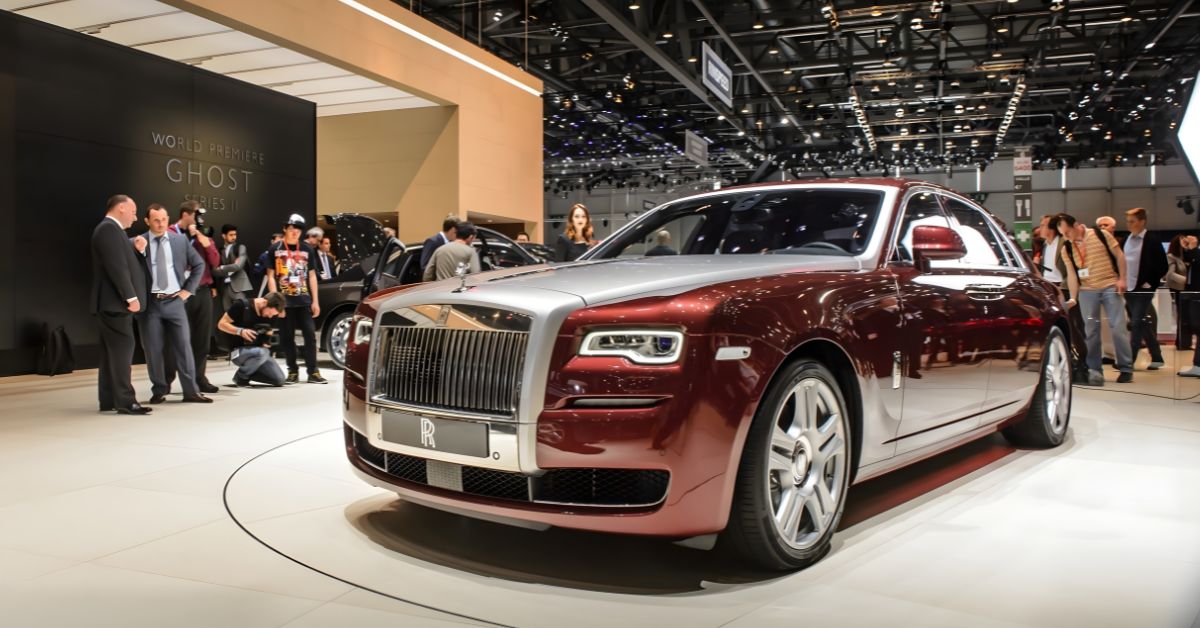
Rolls-Royce Ghost Series II Launched in India: Price Starts at Rs 8.95 Crore

The ultra-luxury car market in India has just welcomed its newest superstar. Rolls-Royce has officially launched the Ghost Series II in India. This new model is an updated version (facelift) of the popular Ghost sedan, which is the best-selling model for the British luxury brand.

With a starting price of Rs 8.95 crore, the Ghost Series II brings small but sharp design changes, a smarter interior, and the legendary V12 engine that Rolls-Royce is famous for. Here is everything you need to know about this massive launch.

Rolls-Royce Ghost Series II: Price in India

Rolls-Royce has introduced three different versions of the Ghost Series II in India. The prices mentioned below are “ex-showroom,” meaning they do not include taxes and insurance, which will make the final on-road price much higher.

  • Ghost Series II (Standard): Rs 8.95 Crore
  • Ghost Extended Series II (Long Wheelbase): Rs 10.19 Crore
  • Black Badge Ghost Series II (Performance Version): Rs 10.52 Crore

The Extended version offers more legroom for rear passengers, making it perfect for owners who have a chauffeur. The Black Badge is for those who want a sportier look and more power to drive the car themselves.

Read more: Aston Martin DB12

What’s New in the Ghost Series II?

Rolls-Royce has followed a philosophy of “evolution, not revolution.” This means they have kept the classic look but added modern touches.

1. Exterior Updates

The front of the car looks cleaner and more modern. The famous Pantheon Grille is now illuminated (lights up), a feature borrowed from its bigger brother, the Phantom. The headlights are slimmer with a new L-shaped design for the daytime running lights.

At the back, the tail lights have been inspired by the Rolls-Royce Spectre (their electric car), featuring two vertical light strips. Buyers can also choose from new 22-inch alloy wheel designs.

2. Interior and Technology

The cabin remains one of the quietest and most luxurious places on earth. The biggest update is the new “Spirit” operating system. This digital interface controls the car’s functions and changes colour to match the car’s exterior paint.

There is also a new glass panel on the dashboard that stretches across the passenger side. It displays the “Spirit of Ecstasy” symbol and mimics a starry night sky, matching the famous Starlight Headliner on the roof.

For rear passengers, the entertainment screens now allow you to connect up to two different streaming devices independently. The internet connectivity has also been improved for smoother video streaming.

Engine and Performance

Under the long hood, the Ghost Series II keeps its powerful heart. It uses the trusted 6.75-litre twin-turbocharged V12 petrol engine.

  • Standard & Extended Models: The engine produces 563 bhp of power and 850 Nm of torque.
  • Black Badge Model: This version is tuned for more speed, producing 592 bhp and 900 Nm of torque.

The car uses an 8-speed automatic gearbox. Even though it is a heavy luxury sedan, it is surprisingly fast. It also features the Planar Suspension System, which uses cameras to scan the road ahead and adjust the suspension instantly, ensuring the car glides over bumps like a “magic carpet.”

Why This Launch Matters

India is becoming a very key market for luxury car brands. In recent years, sales of super-luxury cars priced above Rs 2 crore have grown significantly. The Rolls-Royce Ghost is often the entry point for many billionaires into the Rolls-Royce family.

With the Series II, Rolls-Royce is targeting a younger generation of Indian buyers—business tycoons and celebrities who prefer to drive their own cars rather than just sit in the back.

Frequently Asked Questions (FAQs)

1. What is the mileage of the Rolls-Royce Ghost Series II?

In the luxury segment, mileage is not a priority. However, the V12 engine delivers approximately 5 to 6 km per litre (kmpl) depending on driving conditions.

2. What is the difference between the Standard and Black Badge Ghost?

The Black Badge is the “rebellious” version. It has blacked-out chrome details, more engine power (592 bhp vs 563 bhp), sharper handling, and a sportier interior theme compared to the classic luxury of the Standard model.

3. Is the Rolls-Royce Ghost Series II electric?

No, the Ghost Series II runs on a petrol V12 engine. If you are looking for an electric Rolls-Royce, the brand has launched the Spectre EV in India.

4. What is the waiting period for this car in India?

Rolls-Royce cars are highly customized (Bespoke). Depending on the colors, materials, and personal options you choose, the delivery can take anywhere from 6 months to over a year.

5. Does it have ADAS safety features?

Yes, the Ghost Series II comes with advanced safety tech, including active cruise control, collision warning, lane departure warning, and a 360-degree camera system.

BYD Sealion 7

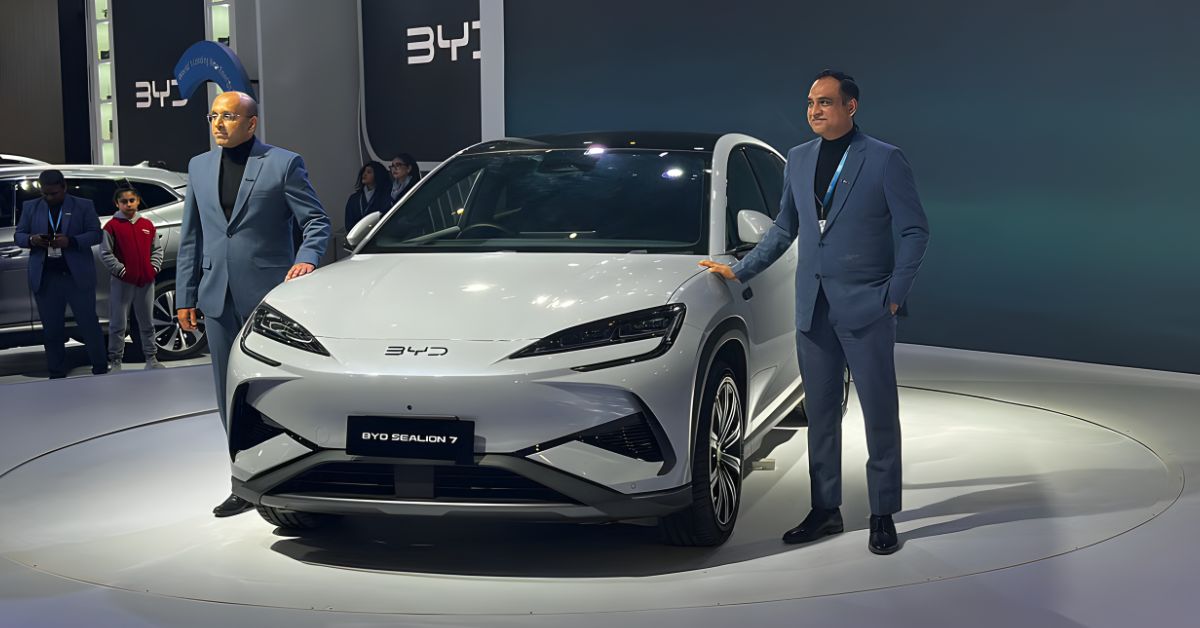
BYD Sealion 7 Price Hike (2026): New Prices, Specs & Features

The electric vehicle (EV) market in India is heating up, but buyers looking for the popular BYD Sealion 7 will now have to pay a little more. As of January 2026, BYD India has officially increased the price of its electric SUV.

If you are planning to bring this futuristic car home, it is important to know the new rates, the reasons behind the hike, and whether it is still a good deal compared to rivals like the Hyundai Ioniq 5 and Kia EV6. Here is a complete breakdown of the latest updates, specs, and features of the BYD Sealion 7.

News Update: Price Increase Announced (January 2026)

BYD India has announced a price hike of ₹50,000 on the Premium variant of the Sealion 7. This change came into effect from January 1, 2026.

According to the company, this adjustment is due to rising input costs and operational expenses. However, there is good news for performance lovers: the price of the top-spec Performance variant remains unchanged.

Read more: Ferrari 296 GTB

New Price List (Ex-Showroom, India)

  • Sealion 7 Premium (RWD): ₹49.40 Lakh (Previously ₹48.90 Lakh)
  • Sealion 7 Performance (AWD): ₹54.90 Lakh (Unchanged)

Note: Customers who booked the vehicle on or before December 31, 2025, are protected from this hike and will pay the older price.

Why Is the BYD Sealion 7 Trending?

Since its launch in early 2025, the Sealion 7 has grabbed attention for its “Ocean X” design language and impressive tech. It sits right between the BYD Atto 3 and the BYD Seal sedan in the company’s lineup.

It is a mid-sized electric SUV that looks like a coupe (sloping roofline). Indian buyers love it because it offers a luxury experience similar to cars that cost twice as much.

Key Specifications and Performance

The Sealion 7 is not just about looks; the numbers on paper are strong.

Battery and Range

Both variants come with a large 82.56 kWh battery pack. This uses BYD’s famous “Blade Battery” technology, which is considered one of the safest in the world.

  • Premium Variant: Offers a claimed range of 567 km on a single charge.
  • Performance Variant: Offers a claimed range of 542 km (slightly less due to higher power).

Power and Speed

  • Premium (Rear-Wheel Drive): Produces 308 bhp and 380 Nm of torque. It is quick enough for daily city driving.
  • Performance (All-Wheel Drive): This is the beast. It has dual motors producing a massive 523 bhp and 690 Nm of torque. It can sprint from 0 to 100 km/h in just 4.5 seconds.

Charging

The car supports ultra-fast DC charging up to 230 kW. If you find a charger powerful enough, you can charge the battery from 10% to 80% in just 24 minutes.

Interior and Features

BYD is known for unique interiors, and the Sealion 7 is no different.

  • Rotating Screen: The dashboard features a massive 15.6-inch touchscreen that can rotate between landscape (horizontal) and portrait (vertical) modes with a touch of a button.
  • Comfort: It comes with Nappa leather seats, which are heated and ventilated (perfect for Indian summers).
  • Safety: The car is loaded with 11 airbags and a full suite of ADAS (Advanced Driver Assistance Systems) like automatic emergency braking and adaptive cruise control.

BYD Sealion 7 vs. The Competition

Is it still worth the money after the price hike? Let’s compare it to its main rival, the Hyundai Ioniq 5.

The Hyundai Ioniq 5 is priced around ₹46 Lakh, which makes it cheaper than the Sealion 7 Premium (now ₹49.40 Lakh). However, the Sealion 7 offers a larger battery and more power. The Kia EV6 is another rival, but it is much more expensive, starting over ₹60 Lakh.

Verdict: If you want maximum features, a newer design, and faster acceleration, the Sealion 7 is still a solid choice despite the extra ₹50,000 cost.

Frequently Asked Questions (FAQs)

1. What is the new price of the BYD Sealion 7 in 2026?

The base ‘Premium’ variant now costs ₹49.40 Lakh (ex-showroom). The top ‘Performance’ variant price is unchanged at ₹54.90 Lakh.

2. What is the real-world range of the BYD Sealion 7?

While the certified range is up to 567 km, you can expect a real-world driving range of around 400–450 km depending on traffic and AC usage.

3. Does the Sealion 7 have a sunroof?

Yes, it comes with a large panoramic glass roof that makes the cabin feel very airy and spacious.

4. How long does it take to charge?

With a fast DC charger, it takes about 24 minutes to go from 10% to 80%. At home with a standard AC wall box, it will take overnight to fully charge.

5. Is the price hike applicable to old bookings?

No. If you booked your car before December 31, 2025, you will pay the old price. The new price applies only to bookings made from January 1, 2026 onwards.

Ferrari 296 GTB

Ferrari 296 GTB India: Price, Specs, and Why It’s a Game Change

The Indian supercar market is witnessing a major shift, and right at the center of it is the Ferrari 296 GTB. For decades, Ferrari was defined by roaring V8s and V12s. But with the 296 GTB, the Italian giant has done something bold: they put a V6 engine in a flagship sports car and added electric power.

Why is this car trending in India right now? Apart from being a favorite among car collectors and celebrities like Dulquer Salmaan, recent reports about the India-European Union Trade Deal (January 2026) suggest that import duties on luxury European cars could drop. This makes the 296 GTB not just a dream machine, but a hot topic of discussion for potential buyers hoping for a better price tag soon.

Here is everything you need to know about the Ferrari 296 GTB, its “Baby V12” engine, and its price in India.

What is the Ferrari 296 GTB?

The Ferrari 296 GTB is a Plug-in Hybrid Electric Vehicle (PHEV) supercar. The name “296” comes from its engine size (2.9 liters) and number of cylinders (6), while “GTB” stands for Gran Turismo Berlinetta. It is designed to replace the famous Ferrari F8 Tributo.

Many critics worried that a V6 engine would not sound good. However, Ferrari engineers designed the exhaust so perfectly that they nicknamed this engine the “Piccolo V12” (Little V12). It sounds loud, aggressive, and purely Ferrari.

Read more: MG Windsor EV

Engine and Performance: The Real Magic

The heart of this car is what makes it special. It combines a petrol engine with an electric motor for mind-blowing speed.

  • Engine: 3.0-liter Twin-Turbo V6
  • Electric Motor: 167 hp e-motor
  • Total Power: 830 hp (Combined)
  • Torque: 740 Nm
  • 0 to 100 km/h: 2.9 seconds
  • Top Speed: Over 330 km/h
  • Electric-Only Range: 25 km (You can drive it silently in the city!)

Unlike older hybrids that felt heavy, this system is light and makes the car feel even faster than a standard petrol car.

Design and Interior Features

The 296 GTB looks smooth and clean. It lacks the big wings and vents of older models, opting for a sleek, modern look inspired by the classic Ferrari 250 LM.

Inside, the cabin is strictly driver-focused:

  • Digital Dashboard: There is no central touchscreen for music or maps. Everything is on the driver’s digital display.
  • Steering Wheel: Almost all controls, including the engine start button and drive modes (Manettino dial), are on the steering wheel.
  • Passenger Display: A small, thin screen in front of the passenger lets them see how fast the car is going, which adds to the thrill.

Ferrari 296 GTB Price in India

As of early 2026, the Ferrari 296 GTB price in India starts at Rs 5.40 Crore (ex-showroom).

However, this is just the “base” price. Most buyers add custom options (like special paint, carbon fiber wheels, or racing seats), which can easily push the on-road price to over Rs 6.5 Crore to Rs 7 Crore.

Note on Price Drop: With the new trade discussions between India and the EU, industry experts believe import taxes on cars like Ferrari might be reduced over the next few years. If this happens, European supercars could become slightly more accessible to Indian buyers.

Why Does This Car Matter for India?

  1. Usable Power: India’s roads are not always perfect. The 296 GTB has a “Bumpy Road” mode that softens the suspension, making it surprisingly driveable in cities like Mumbai or Delhi.
  2. Silent Start: Because it is a hybrid, you can leave your house in “eDrive” mode without waking up the neighbors with a loud engine roar.
  3. Future Proof: As emission norms get stricter in India, hybrid supercars like the 296 GTB are safer investments than pure petrol V8s or V10s.

Competition

The Ferrari 296 GTB fights against some serious rivals in the Indian market:

  • McLaren Artura: Another V6 hybrid, but slightly less powerful (671 hp).
  • Maserati MC20: A stunning V6 car, but it lacks the hybrid system.
  • Lamborghini Huracan Tecnica: Famous for its V10 sound, but the technology is older compared to the Ferrari.

Frequently Asked Questions (FAQs)

1. Is the Ferrari 296 GTB fully electric?

No, it is a Plug-in Hybrid. It has both a petrol engine and an electric battery. You can drive it on pure electric power for about 25 km, but for high speed, the petrol engine kicks in.

2. What is the waiting period for the Ferrari 296 GTB in India?

Due to high demand and customization, the waiting period can range from 12 to 18 months after booking.

3. Does the Ferrari 296 GTB sound like a real Ferrari?

Yes. Ferrari designed the exhaust to scream like a V12 engine at high speeds. It does not sound like a regular V6 car at all.

4. Can I charge the Ferrari 296 GTB at home?

Yes, it comes with a charging cable. However, the battery also charges itself while you drive using the petrol engine and braking energy.

Back to Top
WhatsApp Channel
Compare (0)