Only COD || Advance में ₹1 भी नहीं देना है
Porsche Cayenne Electric

Porsche Cayenne Electric Launched at ₹1.76 Crore: Range, Specs & Features

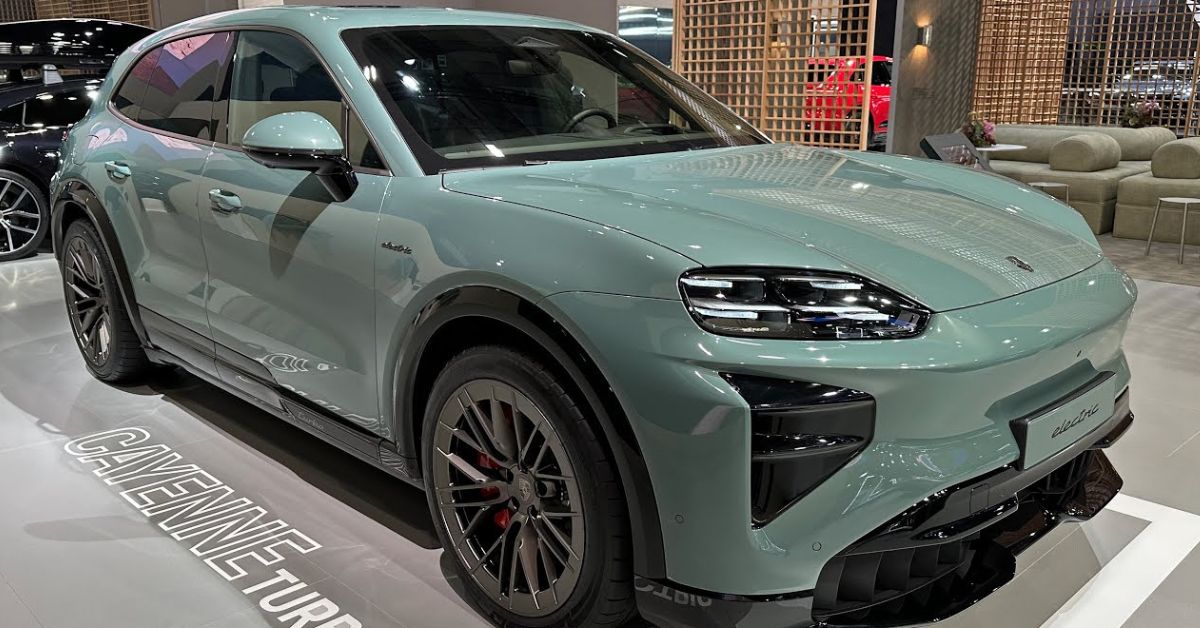
The wait is finally over for luxury car lovers. Porsche India has officially launched the all-electric Porsche Cayenne, marking a historic shift for the legendary SUV. Known for saving Porsche from bankruptcy years ago with its petrol engine, the Cayenne has now ditched fuel for a massive battery and supercar-level speed.

Porsche has revealed the prices and opened bookings, with deliveries expected to start later in 2026. If you thought electric cars were boring, the specifications of this new SUV will change your mind.

Here is everything you need to know about the new Porsche Cayenne Electric in India.

Price and Variants in India

Porsche has introduced the electric SUV in two main variants. The pricing is aggressive, placing it directly against rivals like the Lotus Eletre and Mercedes-Benz EQS SUV.

  • Cayenne Electric (Base): ₹1.76 Crore (ex-showroom)
  • Cayenne Turbo Electric (Top Model): ₹2.26 Crore (ex-showroom)

Note: These are base prices. Porsche is famous for its expensive optional extras, so the final on-road price will likely be much higher.

Read more: Hyundai Prime SD

Battery, Range, and Charging

The heart of the new Cayenne EV is a massive 113 kWh battery pack.

  • Range: It offers a claimed range of 623 km to 642 km (WLTP cycle) on a full charge. In real-world Indian driving conditions, you can expect around 450–500 km.
  • Fast Charging: It supports 400 kW DC fast charging. If you can find a charger powerful enough, it can charge from 10% to 80% in just 16 minutes.
  • Home Charging: It also supports 11 kW AC charging for home use.

Performance: Faster Than a Supercar

The “Turbo” in the name no longer means a turbocharger; it now simply means “very fast.”

  • Power: The top-spec Turbo Electric produces a mind-blowing 1,156 bhp (brake horsepower) and 1,150 Nm of torque.
  • Speed: It rockets from 0 to 100 km/h in just 2.5 seconds. To put that in context, that is faster than many Ferraris and Lamborghinis.
  • Base Model: Even the standard model produces around 408 bhp, which is more than enough for Indian highways.

Interior and Features

The cabin is a tech-lover’s dream, borrowing heavily from the updated Porsche Taycan and Panamera.

  • Triple Screen Setup: The dashboard is dominated by screens—a curved digital driver display, a central infotainment screen, and a separate 10.9-inch display for the front passenger.
  • Privacy Mode: The passenger screen has a special film so the driver cannot see it, allowing the passenger to watch movies without distracting the driver.
  • Rear Axle Steering: This feature helps the big SUV turn easily in tight Indian city traffic and improves stability at high speeds.

Deliveries and Competition

While you can book the car now, you will have to wait a few months to drive it.

  • Deliveries: Scheduled to begin in the second half of 2026.
  • Rivals: It competes with the Lotus Eletre, Mercedes-Benz EQS SUV, and the BMW iX.

FAQs

1. Is the petrol Porsche Cayenne discontinued?

No. Porsche plans to sell the petrol/hybrid Cayenne alongside the new Electric version for a few more years. You can still buy the V8 or V6 petrol models.

2. What is the real-world range of the Porsche Cayenne Electric?

While the official range is up to 642 km, expect a real-world range of approximately 450 to 500 km, depending on traffic and air-conditioning usage.

3. How fast can it charge?

With a super-fast 400 kW DC charger, it takes about 16 minutes (10-80%). At home with an 11 kW charger, it will take overnight (around 10-12 hours) for a full charge.

4. Does it have a spare tyre?

Like most high-end luxury EVs, it likely comes with a puncture repair kit or run-flat tyres instead of a full-size spare wheel to save weight and space.

5. What is the warranty on the battery?

Porsche typically offers an 8-year or 1,60,000 km warranty on the high-voltage battery, whichever comes first.
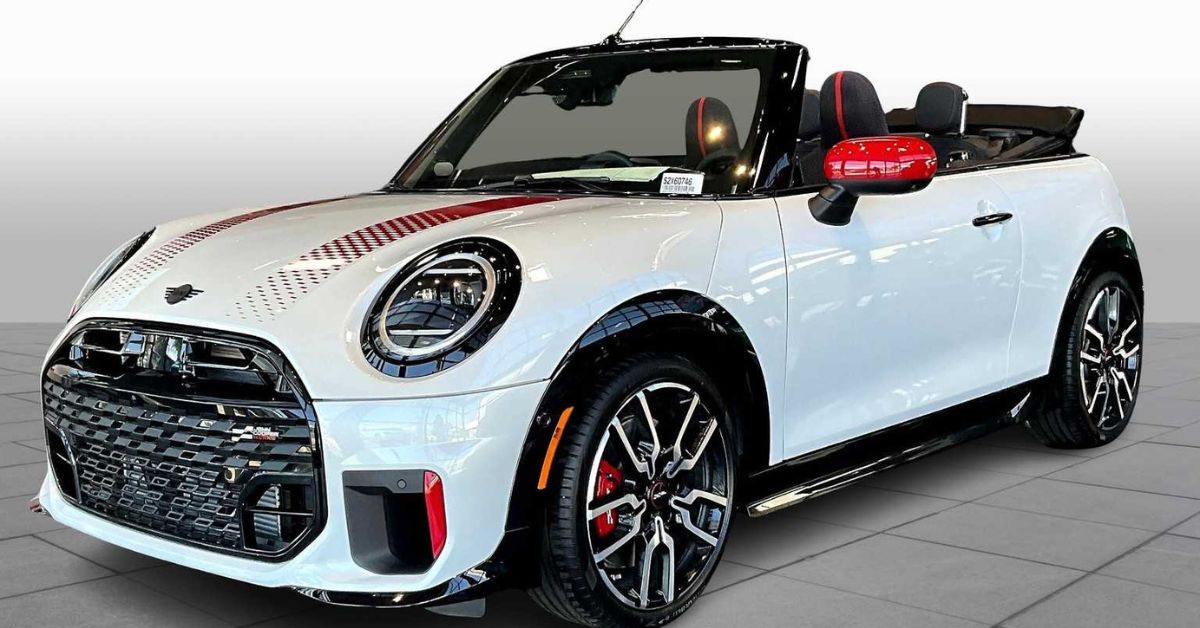
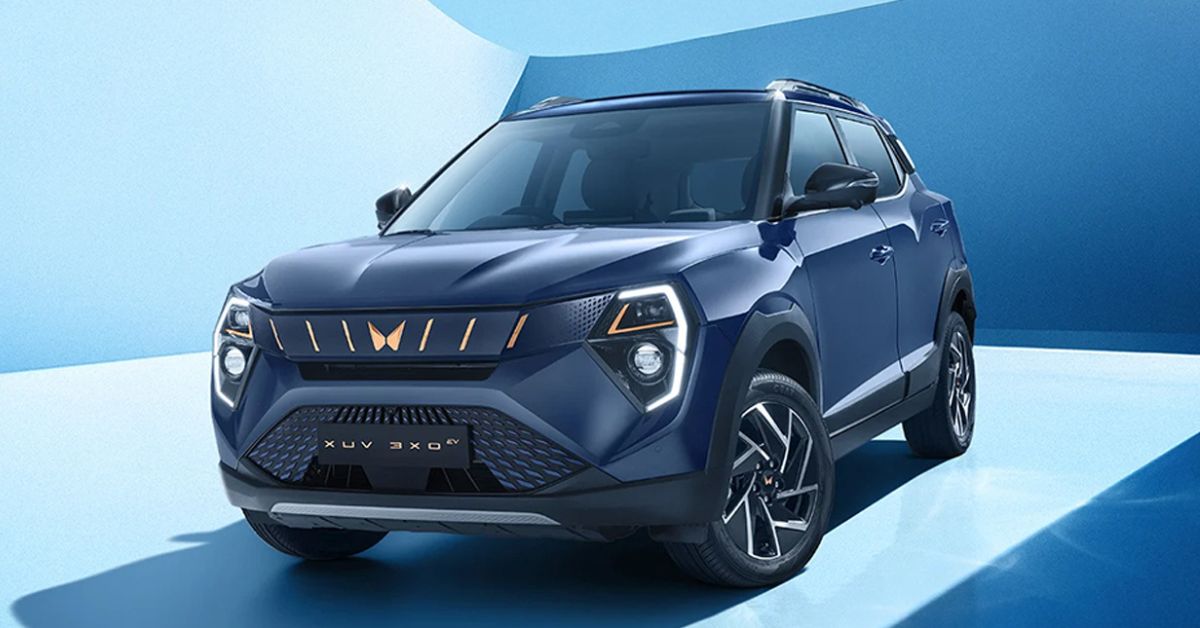
New Mini Cooper S

New Mini Cooper S Convertible Launched: Price, Mileage, and Features

If you have ever dreamed of driving with the wind in your hair, there is good news. Mini India has launched the new Mini Cooper S Convertible, and it has already created a storm in the luxury car market.

This iconic British car, famous for its “go-kart” driving feel, is currently the most affordable convertible (open-top car) you can buy in India. However, do not let the word “affordable” confuse you—it is still a premium luxury vehicle with a price tag to match.

Here is a simple breakdown of what this new car offers, its price, mileage, and whether it is practical for Indian roads.

What is Special About the New Mini Convertible?

The biggest selling point of this car is its roof. It features a high-quality soft top that is fully electric.

  • Speed: The roof opens in just 18 seconds and closes in 15 seconds.
  • Convenience: You do not need to stop the car; the roof can operate while driving at speeds up to 30 km/h.
  • Sunroof Mode: You can also slide the roof back just a little bit (about 40 cm) to use it like a sunroof without opening it completely.

The design remains classic “Mini”—round headlights, compact size, and a sporty stance, but with sharper, more modern touches for 2026.

Read more: Hyundai Prime SD

Engine and Performance

Under the hood, the Mini Cooper S Convertible packs a punch. It is built for fun, not just for reaching from point A to B.

  • Engine: 2.0-litre, 4-cylinder Turbo Petrol engine.
  • Power: 201 bhp (Brake Horse Power).
  • Torque: 300 Nm (this gives it that sudden burst of speed).
  • Gearbox: 7-speed Steptronic Sport Dual Clutch Transmission (Automatic).
  • Speed: It goes from 0 to 100 km/h in just 6.9 seconds.
  • Top Speed: 237 km/h.

Interior: Classic Meets Modern

The interior has been completely redesigned to look cleaner and more futuristic.

  • The Screen: The dashboard features a stunning 9.4-inch circular OLED touchscreen. This single screen controls almost everything, including navigation, music, and air conditioning.
  • Heads-Up Display: Since the main screen is in the center, a small glass screen pops up in front of the driver to show speed and navigation arrows so you don’t have to look away from the road.
  • Seats: It comes with sport seats, but remember—this is technically a 4-seater. However, the rear seats are very cramped and best suited for small children or luggage, not adults.

Price and Availability

The new Mini Cooper S Convertible arrives in India as a CBU (Completely Built Unit), meaning it is imported fully made, attracting higher taxes.

  • Ex-Showroom Price: ₹58.50 Lakh.
  • On-Road Price (Estimated): Approx. ₹67 Lakh to ₹74 Lakh (depending on your state taxes).
  • Demand: The first batch of these cars reportedly sold out within 24 hours of the booking announcement, showing high demand among luxury buyers.

Is It Practical for India?

While it is an exciting car, there are two things Indian buyers must consider:

  1. Ground Clearance: It is a sporty car, so it sits low. You will need to be careful over large speed breakers.
  2. Ride Quality: To give that “sporty” handling, the suspension is stiff. You might feel potholes and bumps more than you would in a regular luxury sedan.

Verdict: Who is This Car For?

The Mini Cooper S Convertible is not a family car. It is a “lifestyle” vehicle. It is perfect for someone who already owns a practical daily car (like an SUV) and wants a second car for weekend drives, evening city spins, or simply to make a style statement.

FAQs

1. Is the Mini Cooper Convertible manual or automatic?

It is available only with an automatic transmission (7-speed Dual Clutch). There is no manual option in India.

2. What is the mileage of the Mini Cooper S Convertible?

The claimed mileage is approximately 16-17 km/l. However, in real-world city driving with the AC on, expect around 9-11 km/l.

3. Is the roof safe?

Yes. The soft top is made of high-quality durable fabric. In case of an accident (rollover), the car has a hidden protection system that pops up behind the rear seats to protect passengers’ heads.

4. Can 4 people sit comfortably?

Not really. The front two seats are very spacious and comfortable. The rear seats are very tight with little legroom, suitable only for small kids or keeping bags.

5. Does it have a spare tyre?

Minis usually come with “Runflat” tyres, which allow you to drive for a short distance even after a puncture. Due to limited boot space, a full-size spare wheel is often not included.

Hyundai Prime SD

Hyundai Prime SD Launched: A New CNG Taxi Rival to Maruti Dzire Tour S

For years, if you sat in a taxi in India, it was likely a Maruti Suzuki Dzire or a Tata car. Now, Hyundai has decided to enter this big market with a strong competitor.

Hyundai Motor India has officially launched the Hyundai Prime SD, a new sedan designed specifically for taxi operators and fleet owners. Based on the popular Hyundai Aura, this car focuses on low running costs, high safety, and passenger comfort.

Here is everything you need to know about the Hyundai Prime SD, its price, mileage, and why it matters for the Indian market.

What is the Hyundai Prime SD?

The “Prime SD” (likely standing for Sedan) is a commercial version of the Hyundai Aura. It is built for “yellow plate” owners—such as Uber/Ola drivers, tour operators, and fleet companies.

Alongside this sedan, Hyundai also launched the Prime HB (Hatchback), which is based on the Grand i10 Nios. However, the Prime SD is gaining more attention because sedans are often preferred for airport drops and long-distance commercial travel.

Read more: Mercedes S-Class Facelift 

Engine and Mileage: The Money Saver

For a taxi driver, mileage is the most important factor. Hyundai has equipped the Prime SD with a 1.2-litre Kappa Bi-Fuel engine. This means it comes with a factory-fitted CNG kit, which is safer and more reliable than aftermarket kits.

  • Fuel Type: Petrol + CNG
  • CNG Mileage: 28.40 km/kg (Claimed)
  • Running Cost: Hyundai claims a low maintenance cost (approx. 47 paise per km), which is great for profits.
  • Speed Limit: Since it is a commercial vehicle, it comes with a government-mandated speed limiter fixed at 80 km/h.

Top Features for Safety and Comfort

Hyundai has not stripped down the car completely. Even though it is a budget-friendly taxi model, it comes with impressive safety features that are rare in this segment.

Safety First

  • 6 Airbags: Standard across all models.
  • Rear Parking Sensors: Helps in tight city parking.
  • ABS with EBD: For better braking control.
  • Emergency Stop Signal: Flashes lights during sudden braking.

Passenger Comfort

  • Rear AC Vents: A huge plus for passengers sitting in the back during Indian summers.
  • Power Windows: Front and rear power windows are included.
  • Spacious Boot: The CNG cylinder is placed smartly to allow luggage space for airport trips.

Price and Booking Details

The Hyundai Prime SD is priced aggressively to compete with the Maruti Dzire Tour S.

  • Ex-Showroom Price: Starting at ₹6.89 Lakh.
  • On-Road Price (Delhi est.): Approx. ₹7.76 Lakh.
  • Booking Amount: You can book it at Hyundai dealerships for just ₹5,000.
  • Colors: Available in simple fleet colors like Atlas White, Typhoon Silver, and Abyss Black.

Prime SD vs. The Competition

The biggest rival for the Prime SD is the Maruti Suzuki Dzire Tour S. While the Maruti Dzire is known for easy service availability, the Hyundai Prime SD offers better standard safety (6 airbags) and a slightly more premium cabin feel.

This launch is a big move by Hyundai to capture the “commercial mobility” sector, which is currently dominated by Maruti and Tata Motors.

FAQs

1. Can I buy the Hyundai Prime SD for personal use?

No, this car is primarily designed for commercial registration (yellow number plate). For personal use, you should look at the standard Hyundai Aura.

2. What is the mileage of the Hyundai Prime SD?

In CNG mode, it delivers a mileage of 28.40 km/kg.

3. Does it have a touchscreen music system?

The standard model may not come with a touchscreen, but Hyundai offers an optional accessory pack that includes a 9-inch touchscreen and vehicle tracking system.

4. Is the CNG kit fitted by the company?

Yes, the Prime SD comes with a factory-fitted CNG kit, which offers better safety and warranty coverage compared to outside kits.

5. What is the speed limit of this car?

As per Indian government rules for commercial taxis, the car has a speed governor limited to 80 km/h.

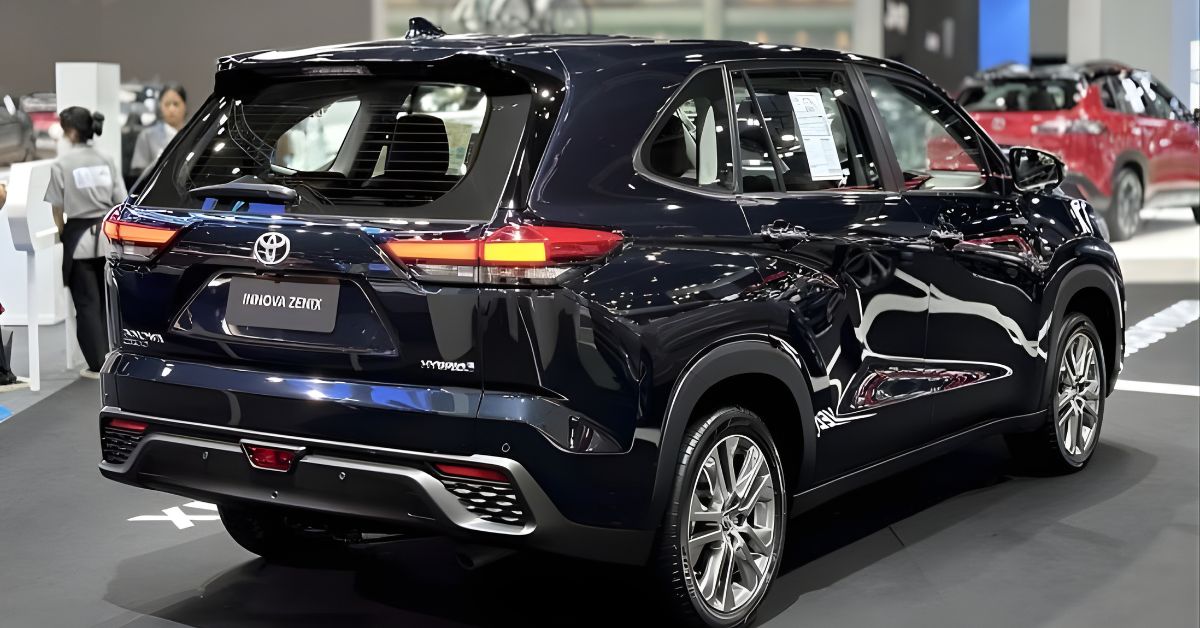
Toyota Innova

Toyota Innova Crysta Prices Hiked in 2026: Discontinuation Rumors & Details

The Toyota Innova Crysta is widely regarded as the “King of Indian Roads.” For nearly two decades, it has been the go-to MPV for large families, politicians, and fleet operators. However, January 2026 brings a mix of news for Innova fans—some bad, some concerning, and some helpful.

From a silent price hike to serious reports about the diesel legend’s discontinuation, there is a lot happening with the Crysta right now. If you are planning to book one this month, here is everything you need to know.

1. Silent Price Hike in January 2026

Toyota Kirloskar Motor (TKM) has silently updated the price list for the Innova Crysta. As of late January 2026, the prices have increased across most variants.

  • The Hike: Prices have gone up by approximately ₹19,000 to ₹26,000 depending on the variant.
  • New Price Range: The Innova Crysta now starts at ₹18.85 Lakh and goes up to ₹25.53 Lakh (ex-showroom).
  • Variant Impact:
    • GX Trim: The entry-level GX (7 and 8 seater) sees a hike of around ₹19,000.
    • ZX Trim: The top-spec ZX variant bears the maximum hike of ₹26,000.

While the car remains mechanically unchanged, this price correction is attributed to rising input costs and inflationary pressures that are hitting the auto industry this year.

Read more: Mercedes S-Class Facelift

2. Is the Innova Crysta Being Discontinued?

This is the biggest question on everyone’s mind. Recent industry reports suggest that Toyota may finally pull the plug on the diesel Innova Crysta by March 2027.

Why? The primary reason is the upcoming CAFE 3 (Corporate Average Fuel Economy) norms. These strict emission regulations make it very difficult for heavy, ladder-frame diesel vehicles to comply without expensive upgrades.

  • The Crysta runs on a 2.4L Diesel engine.
  • Diesel engines have higher CO2 emissions compared to hybrids.
  • Toyota is shifting its focus entirely to the Innova Hycross, which uses cleaner Strong Hybrid technology.

If you are a die-hard fan of the torque-heavy diesel engine and the rugged ladder-frame build, now might be the best time to buy, as the clock seems to be ticking for this legend.

3. Waiting Periods Reduced (Finally!)

There is a silver lining for buyers. unlike the Innova Hycross, which commands a waiting period of over a year in some cities, the Crysta is much easier to get home.

  • Average Wait Time: 2 to 3 months.
  • Fastest Delivery: The mid-spec GX and GX Plus variants are often available within 4-6 weeks in select cities like Pune and Delhi.

This makes the Crysta the only practical option if you need a reliable 7-seater Toyota urgently.

4. Which Variant Should You Buy?

With the prices going up, value for money is critical. The GX Plus variant, introduced recently, remains the “sweet spot” for most buyers.

It sits between the base GX and the expensive VX trims. For a small premium over the base model, you get 14 additional features, including:

  • Rear parking camera
  • Auto-fold outside mirrors
  • Diamond-cut alloy wheels
  • Premium fabric seats
  • Wooden panel finish on the dashboard

For private buyers who don’t want the taxi-like feel of the base model but can’t stretch their budget to the VX, the GX Plus is the perfect middle ground.

Conclusion: The End of an Era?

The Toyota Innova Crysta is more than just a car; it is an institution in India. While the price hike is a minor hurdle, the looming discontinuation in 2027 is a major signal that the future is Hybrid. If you prefer the raw power and durability of the diesel Crysta over the tech-heavy Hycross, 2026 might be your last full year to buy one brand new.

Frequently Asked Questions (FAQs)

Q1: Is the Innova Crysta available in petrol?

No. Toyota discontinued the petrol Crysta long ago. It is now sold as a Diesel-only model (2.4L Manual). If you want petrol, you must buy the Innova Hycross.

Q2: What is the mileage of the Innova Crysta Diesel?

In real-world Indian conditions, the Innova Crysta Diesel delivers approximately 10-12 kmpl in the city and 14-15 kmpl on highways.

Q3: Is the Innova Crysta better than the Innova Hycross?

It depends on your use. The Crysta is better for rough roads, heavy loads, and long highway runs because of its rugged ladder-frame chassis. The Hycross is better for city driving, comfort, and fuel efficiency (23 kmpl) due to its monocoque body and hybrid engine.

Q4: Can I buy the Innova Crysta with an Automatic transmission?

No. The Innova Crysta is currently available only with a 5-speed Manual Transmission. Automatic options are exclusive to the Innova Hycross.

Q5: What is the new starting price of Innova Crysta in 2026?

After the recent hike, the base model (GX 7-seater) starts at ₹18.85 Lakh (ex-showroom).

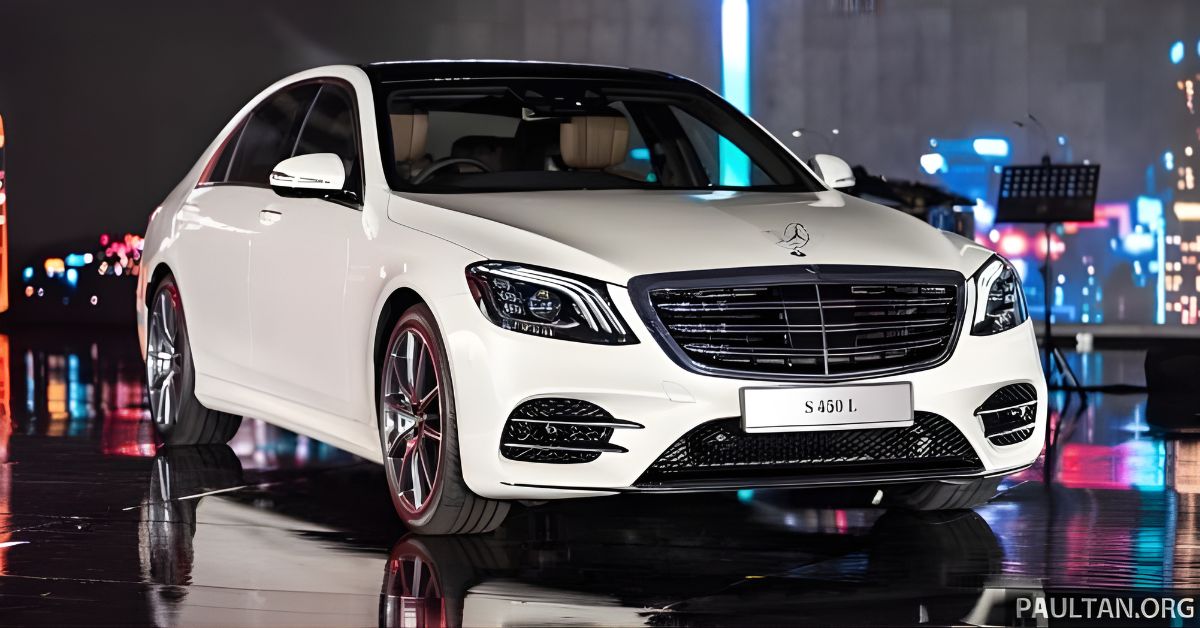
Mercedes S-Class Facelift

Mercedes S-Class Facelift to Launch in 2026: 5 Big Changes You Must Know

The “Best Car in the World” is about to get even better. Mercedes-Benz has officially confirmed that the 2026 Mercedes-Benz S-Class Facelift will make its global debut on January 29, 2026.

Ahead of the big reveal, the German luxury giant has teased key details about the flagship sedan. From revolutionary “Star” shaped lights to the return of physical buttons, this update promises to be much more than just a cosmetic surgery. For Indian buyers who swear by the “S-Class comfort,” here is everything you need to know about the upcoming model, its features, and when it will arrive in India.

What is New in the 2026 S-Class?

The current generation S-Class (W223) was launched in 2020. After six years, Mercedes is giving it a massive mid-life update. According to Mercedes-Benz CEO Ola Källenius, the new model features over 2,700 new or modified parts.

1. Exterior: The “Star” Treatment

The most visible change is in the lighting.

  • Headlights & Taillights: The new S-Class will feature Star-shaped LED signatures inside the headlamps and tail lamps. This design was first seen on the E-Class and the CLA Concept, and it is now making its way to the flagship.
  • Illuminated Grille: The front grille will now be larger and feature an illuminated surround, giving it a commanding presence at night.
  • Return of the Bonnet Star: In a nod to tradition, the iconic upright “Three-Pointed Star” hood ornament will return and will also be illuminated on specific trims.

2. Interior: Physical Buttons Are Back!

Mercedes-Benz has listened to customer feedback regarding touch-sensitive controls.

  • Steering Wheel: The 2026 S-Class is expected to ditch the finicky capacitive touch controls on the steering wheel in favor of real physical buttons. This is a huge relief for drivers who found the touch controls distracting.
  • MBUX Superscreen: Leaks suggest the dashboard might get an upgrade to the “Superscreen” layout (similar to the E-Class), offering a seamless glass panel for the passenger.
  • MB.OS Software: It will be the first car to run on the fully in-house developed MB.OS (Mercedes-Benz Operating System), which promises faster response times and better AI integration.

3. Engine & Performance

Good news for petrolheads—the V8 is not dying yet.

  • V8 Power: Mercedes has confirmed that the powerful 4.0-litre V8 biturbo engine will continue to be available in the S 580 and Maybach versions.
  • Hybrids: The standard petrol (S 450) and diesel (S 350d, S 400d) engines will come with updated 48V mild-hybrid technology for better fuel efficiency and smoother start-stop transitions.

India Launch Timeline and Price

The Mercedes-Benz S-Class is the best-selling luxury limousine in India. Since the current model is locally assembled at Mercedes-Benz’s Chakan plant in Pune, the facelift will follow the same route.

Read more: Tata Harrier

  • Global Debut: January 29, 2026
  • Expected India Launch: Late 2026 (around Diwali) or Early 2027.
  • Expected Price: The current S-Class starts at ₹1.77 Crore. With the new tech and premium features, expect the 2026 model to start around ₹1.85 Crore to ₹1.95 Crore (Ex-showroom).

Why This Matters

The S-Class sets the trend for the entire automotive industry. Features introduced here (like airbags and ABS in the past) eventually trickle down to budget cars. For Indian CEOs and celebrities, this car is the ultimate status symbol. The return of physical buttons and the continuation of the V8 engine shows that Mercedes is balancing modern tech with traditional luxury values.

Frequently Asked Questions (FAQs)

Q1: When will the 2026 Mercedes-Benz S-Class be revealed?

The global debut is scheduled for January 29, 2026.

Q2: Will the new S-Class come to India?

Yes, the S-Class is Mercedes-Benz India’s flagship model. It is expected to launch in India by Late 2026.

Q3: Is Mercedes removing the V8 engine?

No, Mercedes has confirmed that the V8 engine will continue to be offered in the 2026 S-Class facelift.

Q4: What is the biggest change in the interior?

The return of physical buttons on the steering wheel and the new MB.OS software are the biggest interior updates.

Q5: What is the expected price in India?

The facelifted model is expected to be priced between ₹1.85 Crore and ₹2.00 Crore depending on the variant.

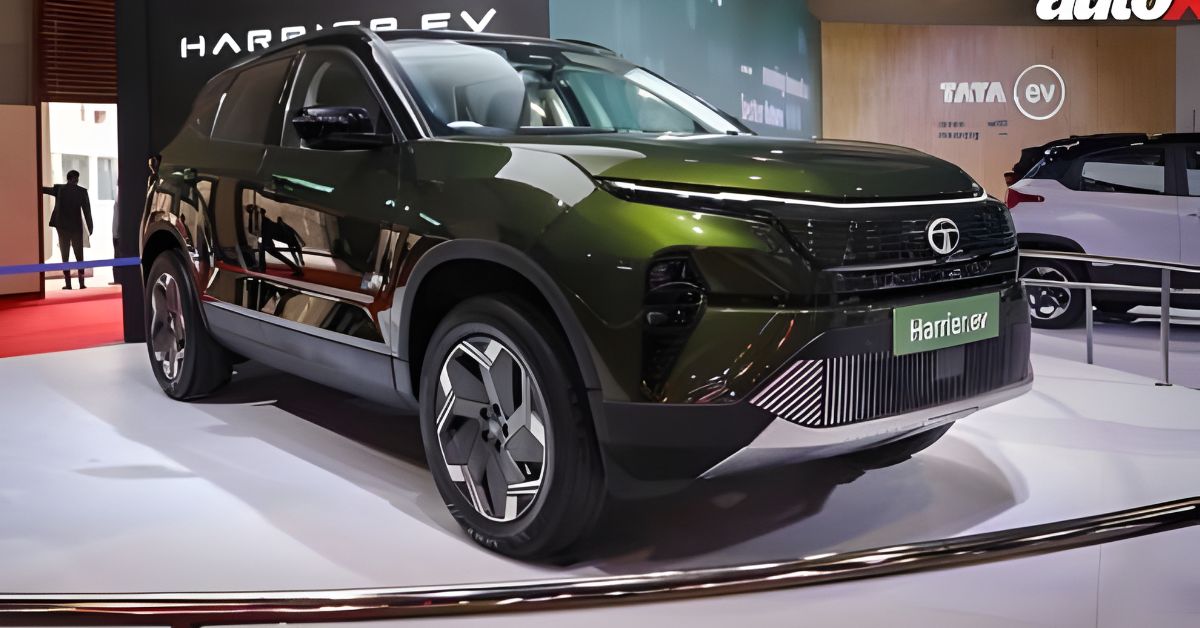
Tata Harrier

Tata Harrier Petrol Launched at ₹12.89 Lakh: Engine, Mileage & Features

The wait is finally over for SUV lovers in India. For years, the Tata Harrier was only available with a diesel engine, which made some buyers hesitate, especially in regions with strict diesel rules like Delhi-NCR. Breaking this tradition, Tata Motors has officially launched the Tata Harrier Petrol in January 2026.

This is a massive move in the mid-size SUV segment, directly challenging rivals like the Mahindra XUV700 and MG Hector. If you are planning to buy a new SUV this year, here is everything you need to know about the new petrol-powered Harrier, its “Hyperion” engine, and the new features.

The New Heart: 1.5L Hyperion Turbo Engine

The biggest change is under the hood. The 2026 Tata Harrier Petrol is powered by the all-new 1.5-litre Hyperion Turbo GDi engine. This is not just a regular petrol engine; it is built for performance.

  • Power: It delivers a strong 170 PS (168 bhp) of power.
  • Torque: It produces a peak torque of 280 Nm.
  • Transmission: Buyers can choose between a 6-speed Manual or a 6-speed Automatic (Torque Converter) gearbox.

While the diesel engine was known for its low-end punch, this new petrol engine offers a smoother, quieter drive with enough power for highway overtaking. Tata claims it offers segment-leading fuel efficiency, making it a practical choice for city drivers.

Read more: Toyota Urban Cruiser Ebella

Price and Variants

Tata has launched the Harrier Petrol at a very aggressive starting price to attract customers immediately.

  • Starting Price: ₹12.89 Lakh (Ex-showroom, Introductory)
  • Top Model Price: Goes up to ₹24.68 Lakh for the fully loaded automatic version.

The petrol lineup introduces a new exclusive trim called “Fearless Ultra.” This top-spec variant is designed for those who want luxury without compromising on the sporty feel. The popular Red #Dark Edition is also available with the petrol engine, featuring sleek carbon black exteriors and red leatherette interiors.

New Features and Upgrades

The 2026 Harrier isn’t just about a new engine; it’s loaded with tech updates to keep it fresh against the competition.

  • 14.5-inch Touchscreen: A massive cinematic display powered by Harman, now with a faster and smoother interface.
  • Dolby Atmos Sound: A premium 10-speaker JBL audio system that offers a theater-like music experience.
  • Improved Safety: It comes with 7 Airbags as standard, along with Level 2+ ADAS (Advanced Driver Assistance Systems) that includes features like adaptive cruise control and blind-spot monitoring.
  • Smart Features: New additions include a “ClearView” digital inside rearview mirror (IRVM) with a built-in dashcam and memory seats for the driver.

Why This Launch Matters

This launch solves the biggest complaint people had with the Harrier: the lack of a petrol option. With the price gap between petrol and diesel widening, and the 10-year diesel ban rule in cities like Delhi, petrol SUVs are in high demand.

By pricing it under ₹13 Lakh, Tata has undercut the starting price of many competitors, making the Harrier accessible to a wider group of buyers who previously found the diesel variants too expensive.

What Happens Next? (The EV is Coming)

While the petrol version is the star of January, Tata Motors is not stopping here. Industry reports confirm that the Tata Harrier EV is scheduled for a mid-2026 launch (likely around June). The EV version is expected to come with All-Wheel Drive (AWD) and a range of over 500 km.

For now, the petrol Harrier is available for test drives and bookings at all authorized Tata dealerships.

Frequently Asked Questions (FAQs)

Q1: What is the starting price of the Tata Harrier Petrol?

The Tata Harrier Petrol starts at ₹12.89 Lakh (ex-showroom) for the base manual variant.

Q2: Which engine does the new Harrier Petrol use?

It uses the new 1.5-litre Hyperion Turbo GDi petrol engine, producing 170 PS of power.

Q3: Is the Harrier Petrol available in automatic?

Yes, it is available with a 6-speed Torque Converter Automatic transmission.

Q4: Does the Harrier Petrol get the Dark Edition?

Yes, the petrol version is available in the popular Red #Dark Edition.

Q5: What is the mileage of the Harrier Petrol?

While official real-world figures vary, Tata claims it offers best-in-segment fuel efficiency, likely in the range of 13–16 kmpl depending on driving conditions.

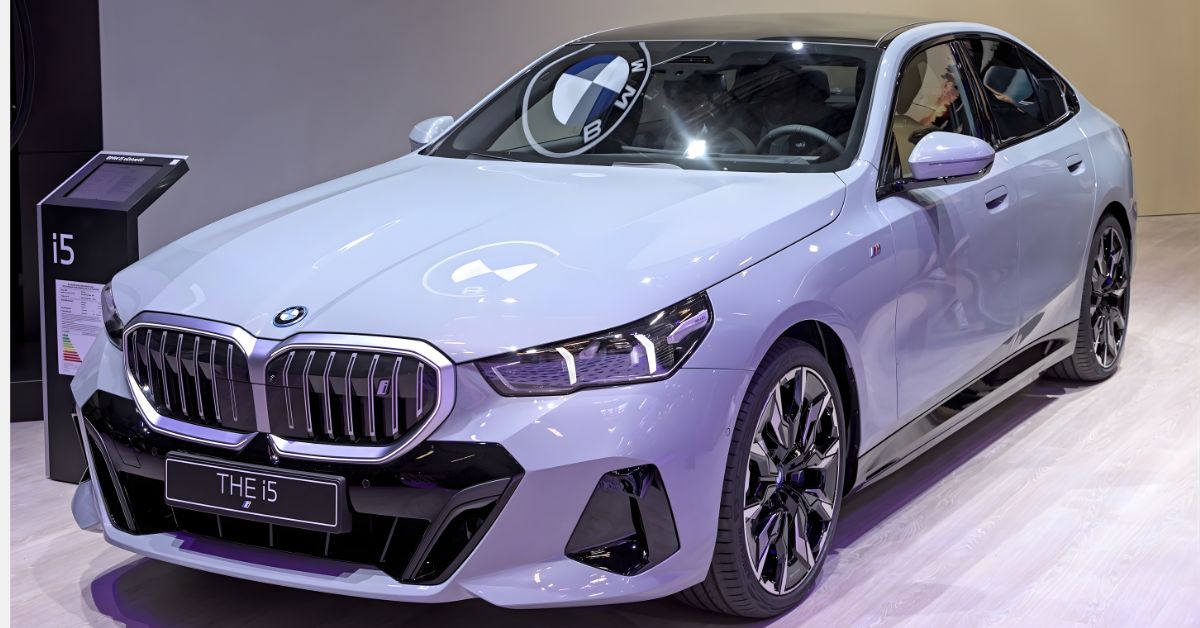
BMW i5

BMW i5 Long Wheelbase India Launch: Price, Range & Features (2026)

BMW India is gearing up for its biggest electric vehicle (EV) launch of the year. After the massive success of the petrol-powered 5 Series Long Wheelbase, the German carmaker is all set to launch its electric twin—the BMW i5 Long Wheelbase (LWB)—in early 2026.

According to recent reports, the i5 LWB will be the highlight of BMW’s “2026 Product Offensive,” which includes six new model launches. This electric luxury sedan is expected to hit Indian showrooms by February or March 2026.

Here is everything you need to know about this upcoming luxury EV.

Why is the BMW i5 LWB Special?

In India, car buyers love “Long Wheelbase” (LWB) models because they offer extra legroom for rear-seat passengers. BMW noticed this trend and successfully launched the petrol 5 Series LWB last year. Now, they are bringing the same comfort to the electric segment.

The i5 LWB is often called the “Baby i7” because it borrows many high-end features from BMW’s flagship electric car, the i7, but at a lower price point. It will likely be locally assembled at BMW’s Chennai plant to keep prices competitive.

Read more: Toyota Urban Cruiser Ebella

Design and Interior Features

The i5 LWB looks nearly identical to the standard 5 Series but features distinct “i” badging and a closed-off kidney grille.

  • Rear Seat Comfort: The biggest selling point is the backseat. It offers unmatched legroom, reclining seats, and soft pillows on the headrests.
  • Tech-Loaded Cabin: The dashboard is dominated by the BMW Curved Display (a 12.3-inch driver screen joined with a 14.9-inch infotainment screen).
  • Luxury Touches: Expect vegan leather upholstery (Veganza), a panoramic glass roof, and a premium Bowers & Wilkins sound system.
  • No “Theatre Screen”: unlike the expensive i7, the i5 LWB might skip the massive 31-inch rear theatre screen to keep costs in check, though rear entertainment tablets might be offered.

Battery, Range, and Performance

The India-spec BMW i5 LWB is expected to come in the eDrive40 variant.

  • Battery Pack: It will likely house an 81.2 kWh battery.
  • Range: On a full charge, the car is expected to deliver a claimed range of 500 to 582 km (WLTP cycle). In Indian real-world conditions, this should translate to a solid 400-450 km.
  • Power: The rear-mounted motor produces around 335 bhp and 430 Nm of torque, propelling the car from 0 to 100 km/h in roughly 6 seconds.
  • Charging: It supports DC fast charging up to 205 kW, which can top up the battery from 10% to 80% in about 30 minutes.

Expected Price and Rivals

BMW is expected to price the i5 LWB aggressively to take on the Mercedes-Benz EQE.

  • Estimated Price: ₹90 Lakh to ₹1.10 Crore (Ex-showroom).
  • Launch Timeline: Bookings are expected to open in February 2026.

What Else is Coming from BMW in 2026?

Apart from the i5 LWB, BMW India has confirmed a busy year ahead with 10 upcoming products (including updates).

  • BMW iX Facelift: An update to the popular electric SUV with better range and AI features.
  • New MINI Models: The MINI Cooper SE and Countryman are also slated for updates later this year.
  • BMW iX3: The next-generation “Neue Klasse” EV SUV is expected to make its debut towards the end of 2026 or early 2027.

Frequently Asked Questions (FAQs)

Q1. When will the BMW i5 LWB launch in India?

The launch is expected in February or March 2026. Official bookings are likely to start a few weeks before the price announcement.

Q2. What is the difference between the BMW i5 and the 5 Series LWB?

The 5 Series LWB runs on petrol/diesel, while the i5 is fully electric. Both share the same body design and extra rear legroom, but the i5 offers a silent, vibration-free drive with zero emissions.

Q3. What is the range of the BMW i5 LWB?

The expected certified range is over 500 km. In real-world city and highway driving, you can expect between 400 km to 450 km per charge.

Q4. Will the BMW i5 be made in India?

Yes, reports suggest that BMW will assemble the i5 LWB locally at its Chennai plant to avoid high import taxes and keep the price competitive against Mercedes-Benz.

Q5. How much will the BMW i5 cost?

It is estimated to be priced between ₹90 Lakh and ₹1.10 Crore, sitting comfortably between the smaller i4 and the flagship i7.

Honda CB Series 2026

Honda CB Series 2026 Update: CB350 Refresh & Upcoming Big Bikes

Honda Motorcycle & Scooter India (HMSI) has started 2026 with a bang by refreshing its popular CB series. The company has officially launched the updated 2026 Honda CB350 today (January 26, 2026), bringing subtle yet important improvements to its retro-classic lineup.

But that’s not all—reports suggest that Honda is also preparing to bring its premium “Big Bike” CB models, including the CB1000GT and the CB750 Hornet, to Indian shores later this year.

If you are a fan of the “CB” badge, here is everything you need to know about the latest launch and what lies ahead.

2026 Honda CB350: What Has Changed?

The Honda CB350 (H’ness) has been a strong rival to the Royal Enfield Classic 350. The 2026 update focuses on refinement and comfort rather than a complete design overhaul.

1. Design & Ergonomics

The retro look remains, but Honda has introduced more mature styling.

  • New Colors: The 2026 model gets fresh dual-tone color options with updated tank graphics.
  • Better Seating: The seat cushioning has been improved for better long-distance comfort, addressing a common feedback from touring riders.
  • Handlebar Position: Slight adjustments have been made to the handlebar to offer a more relaxed, upright riding posture, reducing fatigue in city traffic.

2. Engine Refinement

The heart of the bike remains the reliable 348cc, single-cylinder, air-cooled engine.

  • Power: It continues to produce 20.7 bhp and 30 Nm of torque.
  • Vibration Control: Honda claims to have further tuned the balancer shaft, making the 2026 CB350 smoother than before. The “thump” is still there, but high-speed vibrations are minimized.
  • Gearbox: The 5-speed gearbox now feels even slicker, thanks to tweaks in the assist-and-slipper clutch mechanism.

3. Features

  • Digital-Analog Meter: The instrument cluster has been updated for better visibility in bright sunlight.
  • Connectivity: The Honda Smartphone Voice Control System (HSVCS) is now standard on more variants.
  • Safety: Dual-channel ABS and Honda Selectable Torque Control (HSTC) remain standard.

Upcoming “CB” Big Bikes for India (2026-27)

While the CB350 caters to the mass market, Honda is also gearing up to expand its premium CB portfolio in India.

Read more: TVS Ronin

  • Honda CB1000GT: Expected to launch in February 2026, this sports-tourer will likely be priced between ₹13 Lakh to ₹15 Lakh. It features a powerful 1000cc engine and advanced electronics for highway touring.
  • Honda CB750 Hornet: The streetfighter segment will see the entry of the new Hornet. The 2026 India-spec model is rumored to come with Honda’s new E-Clutch technology, allowing riders to shift gears without using the clutch lever, even in a manual bike.

Why This Matters for Indian Riders

The “CB” tag is legendary in India. By updating the CB350, Honda is ensuring it stays relevant against the new Royal Enfield Classic 350 (updated recently) and the Triumph Speed 400.

For enthusiasts, the return of big CB models like the Hornet and CB1000GT shows that Honda is finally taking the premium market in India seriously again, moving beyond just commuter bikes.

Price and Availability

  • 2026 Honda CB350: The price has seen a marginal hike. The new model starts at approximately ₹2.15 Lakh (Ex-showroom). Bookings are open at Honda BigWing dealerships across India.
  • Deliveries: Deliveries for the 2026 CB350 are expected to begin by the first week of February.

Frequently Asked Questions (FAQs)

Q1. What is the mileage of the new 2026 Honda CB350?

The engine tuning remains largely the same, so you can expect a real-world mileage of 35 to 40 kmpl, depending on your riding style.

Q2. Does the 2026 CB350 have a kick-start?

No, like the previous version, the 2026 model comes with a self-start only.

Q3. What is the “E-Clutch” in the upcoming Honda CB bikes?

The E-Clutch is a new technology by Honda that automates the clutch operation. You can shift gears using the foot pedal without pulling the hand clutch lever, but you can still use the lever manually if you want to.

Q4. Is the Honda CB350 better than the Royal Enfield Classic 350?

The Honda CB350 is generally considered smoother, lighter, and more feature-rich (Bluetooth, Traction Control). However, the Royal Enfield Classic 350 offers a heavier “big bike” feel and stronger low-end torque.

Q5. When is the Honda CB1000GT launching in India?

Reports indicate a tentative launch in February 2026, though Honda has not confirmed the final date yet.

Maruti Brezza CNG Underbody Tank

Maruti Brezza CNG Underbody Tank: Full Boot Space Coming Soon

Maruti Suzuki is preparing to solve the biggest problem faced by CNG car owners in India—the lack of boot space. Recent reports and spy shots suggest that the upcoming 2026 Maruti Brezza will feature a new Underbody CNG Tank technology.

This is a major shift for Maruti Suzuki, which has so far used the traditional large cylinder placed inside the boot. With this new update, the Brezza CNG will finally offer luggage space comparable to its petrol counterpart, directly challenging the Tata Nexon CNG.

Here is everything we know about this upcoming “game-changer” update.

What is the Underbody CNG Tank Technology?

Currently, most Maruti CNG cars (like the WagonR or current Brezza) come with a massive 60-liter cylinder fitted inside the boot. This leaves almost no room for luggage.

The new Underbody CNG Tank setup moves the gas storage from the boot area to the underside of the vehicle or the spare wheel cavity.

  • Placement: The tanks are likely to be mounted where the spare wheel usually sits or attached to the chassis under the floorboard.
  • Result: The boot floor remains flat and usable, giving you the full 328-liters (approx.) of space for bags and suitcases.
  • Spare Wheel Change: To make space for the tank, the spare wheel might be moved to the underside (if room permits) or replaced with a puncture repair kit, similar to what we see in Tata’s twin-cylinder cars.

Why is This Update Important?

For the last two years, Tata Motors has dominated the “premium CNG” market with its Twin-Cylinder technology in cars like the Nexon, Punch, and Altroz. Buyers loved that they didn’t have to compromise on luggage space.

Maruti Suzuki, despite being the market leader in CNG sales, was lagging in this specific area. By introducing an underbody tank in the Brezza, Maruti is fixing the only major complaint owners had. This makes the Brezza CNG a complete family car for long highway trips where luggage space is essential.

Read more: Toyota Urban Cruiser Ebella

Expected Features & Specs

The 2026 Brezza with the underbody tank is expected to carry forward the reliable mechanicals of the current model but with added premium touches.

  • Engine: 1.5-litre K15C Petrol Engine.
  • Performance: Approx 87 bhp and 121.5 Nm torque (in CNG mode).
  • Mileage: Expected to remain high, around 25.51 km/kg.
  • Safety: The updated model is rumored to come with 6 or 7 airbags as standard and possibly Level-2 ADAS (Advanced Driver Assistance Systems) in top variants.

Launch Timeline and Price

While Maruti Suzuki has not given an official date, test mules (camouflaged cars) with this setup have been spotted testing recently.

  • Expected Launch: Mid-to-Late 2026.
  • Price: Expect a slight price hike of ₹20,000 to ₹30,000 over the current CNG variants due to the new engineering required for the underbody setup.

Conclusion: Should You Wait?

If you are planning to buy a CNG SUV specifically for family use and traveling, it might be worth waiting for this update. The current Brezza is an excellent car, but the lack of boot space is a dealbreaker for many. The upcoming model promises to offer the best of both worlds—Maruti’s reliability and mileage, combined with the practicality of a diesel or petrol SUV.

Frequently Asked Questions (FAQs)

Q1. Will the new Brezza CNG have a spare wheel?

It is likely that the spare wheel will be removed to make space for the underbody tank. Maruti may provide a tire puncture repair kit instead, or mount the spare wheel underneath the car if design allows.

Q2. Is the underbody tank safe?

Yes. Manufacturers use high-strength steel and conduct rigorous crash tests to ensure the tank is protected from road debris and rear-impact collisions.

Q3. Will the mileage change with the underbody tank?

No, the mileage is expected to remain similar to the current model (approx. 25 km/kg) as the engine and weight will not change drastically.

Q4. Can I retrofit an underbody tank in my old Brezza?

No. This modification requires structural changes to the chassis and floorboard, so it cannot be installed in existing models legally or safely.

Q5. Which other Maruti cars will get this technology?

After the Brezza, it is expected that the Maruti Fronx and the Grand Vitara may also receive similar boot-saving CNG updates in the future.

Toyota Urban Cruiser Ebella

Toyota Urban Cruiser Ebella: Price, Range & Features

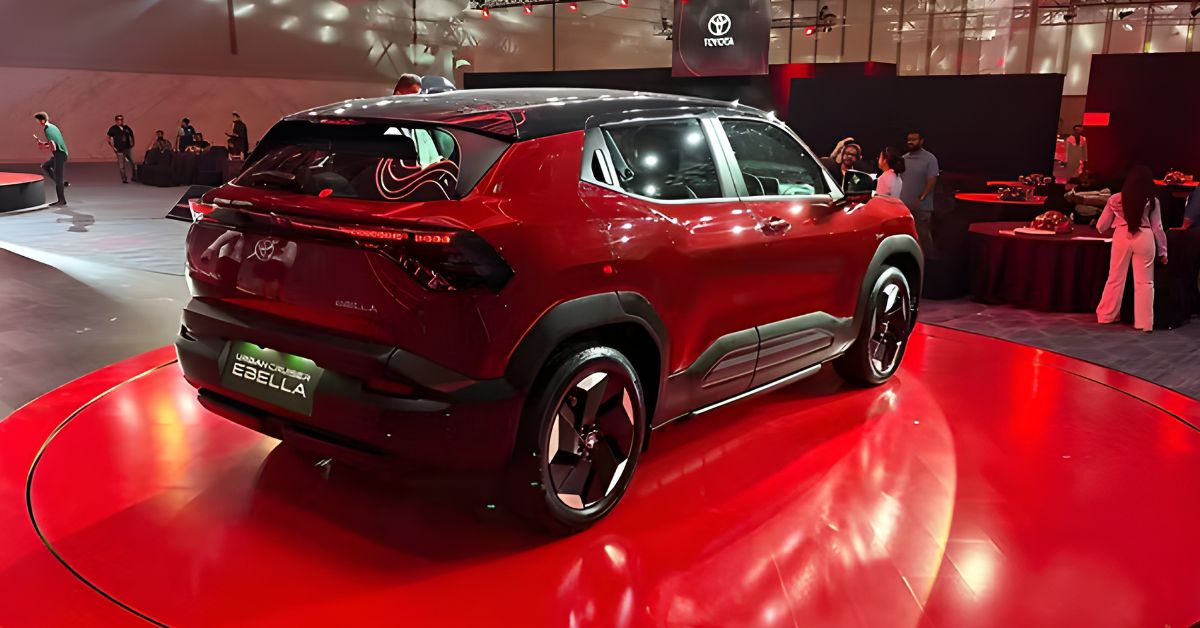
Toyota has officially entered the mass-market electric vehicle (EV) race in India with the unveiling of the Toyota Urban Cruiser Ebella. After the success of its hybrid models like the Hyryder, this is Toyota’s first fully electric SUV for Indian roads.

Unveiled in late January 2026, the Ebella promises a strong driving range, premium features, and Toyota’s signature reliability. It is expected to rival popular electric SUVs like the Hyundai Creta EV, Tata Curvv EV, and the upcoming Maruti Suzuki e Vitara.

Here is everything you need to know about Toyota’s new electric SUV.

What is the Toyota Urban Cruiser Ebella?

The Urban Cruiser Ebella is a mid-size electric SUV co-developed with Maruti Suzuki. While it shares its core technology and platform with the Maruti e Vitara, Toyota has given it a distinct look and feel.

It is built on a dedicated electric platform (born-EV architecture), which means it offers better cabin space and floor planning compared to cars that are converted from petrol to electric.

Read more: Lamborghini Gallardo

Key Highlights at a Glance

  • Battery Options: 49 kWh and 61 kWh.
  • Range: Up to 543 km on a full charge.
  • Expected Price: ₹16 Lakh to ₹21 Lakh (Ex-showroom).
  • Launch Date: Bookings are open; price announcement expected in February 2026.

Exterior and Interior Design

Toyota has worked hard to ensure the Ebella stands out from its competitors.

Exterior: The front of the car features a new “hammerhead” design, which is a signature of modern Toyota EVs. It has a closed-off grille, sleek LED Daytime Running Lights (DRLs), and a new bumper that gives it a sharp, aggressive look. The side profile looks muscular with 18-inch alloy wheels and chunky cladding. At the rear, it gets connected LED tail lamps and a sporty roof spoiler.

Interior: Inside, the cabin feels modern and premium. It features a dual-screen setup:

  1. A 10.25-inch touchscreen for infotainment (music, maps, etc.).
  2. A 10.1-inch digital driver display for speed and battery info.

The interior theme uses premium materials with soft-touch finishes. Toyota has also included a floating center console, which adds more storage space between the front seats.

Battery, Range, and Performance

The Toyota Urban Cruiser Ebella is designed for both city commutes and long highway drives. It comes with two battery choices:

  • Standard Range (49 kWh): Delivers around 142 bhp and a range of approximately 440 km. Best suited for daily city use.
  • Long Range (61 kWh): Delivers 172 bhp and a claimed range of 543 km. Ideal for those who travel inter-city.

Both versions produce 189 Nm of torque, ensuring quick acceleration. The car supports DC fast charging, which can charge the battery from 10% to 80% in just about 45 minutes.

Top Features and Safety

Toyota is known for safety, and the Ebella is no exception. It comes packed with advanced technology to keep passengers safe and comfortable.

Comfort Features:

  • Panoramic glass roof (fixed).
  • Ventilated front seats (cooling function).
  • Wireless smartphone charger.
  • Premium JBL sound system.
  • Powered driver’s seat.

Safety Features:

  • 7 Airbags as standard across all variants.
  • Level-2 ADAS (Advanced Driver Assistance Systems) like Adaptive Cruise Control and Lane Keep Assist.
  • 360-degree parking camera.
  • Electronic Stability Control (ESC) and Tyre Pressure Monitoring System (TPMS).

Why This Launch Matters

For a long time, Toyota focused heavily on Hybrids (cars with both petrol and electric power). The launch of the Ebella marks a major shift as Toyota fully embraces the pure electric market in India.

For Indian buyers, this is great news. It brings a reliable Japanese alternative to the market, challenging the dominance of Tata Motors and the new entries from Hyundai and MG. Toyota is also offering attractive ownership packages, including an 8-year battery warranty and buyback assurance, to give customers peace of mind.

Frequently Asked Questions (FAQs)

Q1. What is the expected price of the Toyota Urban Cruiser Ebella?

The price is expected to start around ₹16 Lakh for the base model and go up to ₹21 Lakh for the top model.

Q2. What is the real-world range of the Ebella?

While the certified range is 543 km for the larger battery, you can expect a real-world range of around 380-420 km depending on driving conditions and AC usage.

Q3. Is the Toyota Ebella the same as the Maruti e Vitara?

They share the same platform and battery tech, but the Ebella has different exterior styling, distinct interior themes, and comes with Toyota’s service and warranty benefits.

Q4. When will the deliveries start?

Toyota has opened bookings in late January 2026. Deliveries are expected to begin in March or April 2026.

Q5. Does it have a sunroof?

Yes, the top variants of the Urban Cruiser Ebella come with a large panoramic glass roof.

Back to Top
WhatsApp Channel
Compare (0)