Only COD || Advance में ₹1 भी नहीं देना है
TVS NTorq 150

Hero Xoom 125 Price in India, Mileage, Features & Full Review 2026

The 125cc scooter segment in India is highly competitive, and Hero MotoCorp has made a strong impact with the Hero Xoom 125. Launched initially at the Bharat Mobility Global Expo in early 2025, this sporty scooter has quickly become a top choice for young riders and daily commuters. Let’s look at what makes the Hero Xoom 125 a tough rival to the TVS NTorq 125 and Suzuki Avenis, including its current on-road price, real-world mileage, top features, and overall performance.

What Happened: The Rise of the Hero Xoom 125

Hero MotoCorp expanded its successful scooter lineup by introducing the Xoom 125, a major performance upgrade from its popular 110cc sibling. The company aimed to capture the young, style-focused audience in India who want both speed and daily practicality. With deliveries rolling out steadily across the country over the past year, the scooter has gained a solid footprint on Indian roads. It is widely praised for its aggressive “falcon-inspired” design and features that were never seen before in this price bracket.

Key Details and Specifications

The Hero Xoom 125 is packed with impressive hardware and smart technology that makes it stand out from the crowd.

Check out more: TVS NTorq 150

Engine and Performance

The scooter shares its reliable 124.6cc, air-cooled engine with the Hero Destini 125 but is tuned for a sportier ride. It delivers a maximum power of 9.92 PS (9.8 bhp) at 7,250 rpm and a peak torque of 10.4 Nm at 6,000 rpm. The engine is paired with a smooth CVT automatic transmission. It also features Hero’s patented i3S start-stop technology, which automatically shuts the engine off at traffic lights to save fuel and instantly turns it back on when you twist the throttle.

First-in-Segment Features

Hero has added several premium touches to the Xoom 125. Most scooters in this category offer 12-inch wheels, but the Xoom 125 comes with large 14-inch alloy wheels. This provides much better high-speed stability and helps the scooter glide over bad roads effortlessly. Another major highlight is the sequential LED turn indicators. Usually seen in luxury cars, these sweeping lights give the scooter a very premium look. It also comes with a sleek projector LED headlamp and a split LED tail lamp.

Mileage and Fuel Capacity

For daily commuters in India, fuel efficiency is a major deciding factor. The official claimed mileage of the Xoom 125 is 52.8 kmpl. In normal city traffic conditions, owners generally report a real-world mileage of around 45 kmpl. This makes it quite economical for a 125cc sporty scooter. The vehicle is equipped with a 5-liter fuel tank, offering a decent riding range between fuel stops.

Hero Xoom 125 Price in India and Variants

The scooter is available in two main variants: VX and ZX.

The base Xoom 125 VX, which comes with drum brakes, starts around ₹80,494 (Ex-showroom, Delhi). The top-tier Xoom 125 ZX, which features a front disc brake for better stopping power, is priced around ₹86,025 (Ex-showroom, Delhi). The final on-road price varies by state due to local taxes, registration, and insurance, but it generally falls between ₹95,000 and ₹1,05,000. Buyers can choose from attractive colors like Metallic Turbo Blue, Matte Storm Grey, and exclusive top-variant shades like Inferno Red and Matte Neon Lime.

Background: Why It Matters

For many years, Hero MotoCorp was seen primarily as a brand for budget-friendly commuter motorcycles like the Splendor. The 125cc sporty scooter market was heavily dominated by rivals like TVS, Suzuki, and Yamaha. By launching the Xoom 125, Hero has proven that it can build stylish, tech-loaded, and performance-oriented machines tailored for modern youth, completely changing the brand’s image.

Impact on the Indian Market

The success of the Xoom 125 has intensified the competition in the two-wheeler space. Popular models like the TVS NTorq 125 and Suzuki Avenis now face a direct rival that offers bigger wheels, a fully digital LCD instrument cluster with Bluetooth navigation, and aggressive pricing. Furthermore, thanks to Hero’s massive service network covering both rural and urban India, buying and maintaining the Xoom 125 is incredibly easy and affordable.

What Happens Next?

With the Xoom 125 establishing a strong consumer base in 2026, Hero MotoCorp is expected to keep the momentum going by introducing new color schemes or special editions in the coming months. If you are looking for a stylish, feature-rich scooter for college or office commutes that handles Indian road conditions perfectly, the Xoom 125 remains a highly recommended option to test ride.

Frequently Asked Questions (FAQs)

What is the price of the Hero Xoom 125 in India?

The ex-showroom price in Delhi starts at roughly ₹80,494 for the base VX variant and goes up to ₹86,025 for the top ZX variant. On-road prices will be slightly higher depending on your city.

What is the real-world mileage of the Hero Xoom 125?

While the company claims an ARAI mileage of 52.8 kmpl, riders can expect a real-world mileage of around 45 kmpl in everyday city traffic.

Does the Hero Xoom 125 have a digital display and Bluetooth?

Yes, the scooter features a fully digital LCD console. It supports Bluetooth connectivity, allowing you to see call and SMS alerts, as well as turn-by-turn navigation right on the screen.

What makes the Xoom 125 different from its competitors?

Its biggest advantages are the segment-first 14-inch alloy wheels that offer better riding stability and the premium sequential LED turn indicators.

Is the Hero Xoom 125 good for tall riders?

Yes, the sporty ergonomics, spacious floorboard, and larger 14-inch wheels make the seating posture quite comfortable, even for taller riders navigating through city traffic.
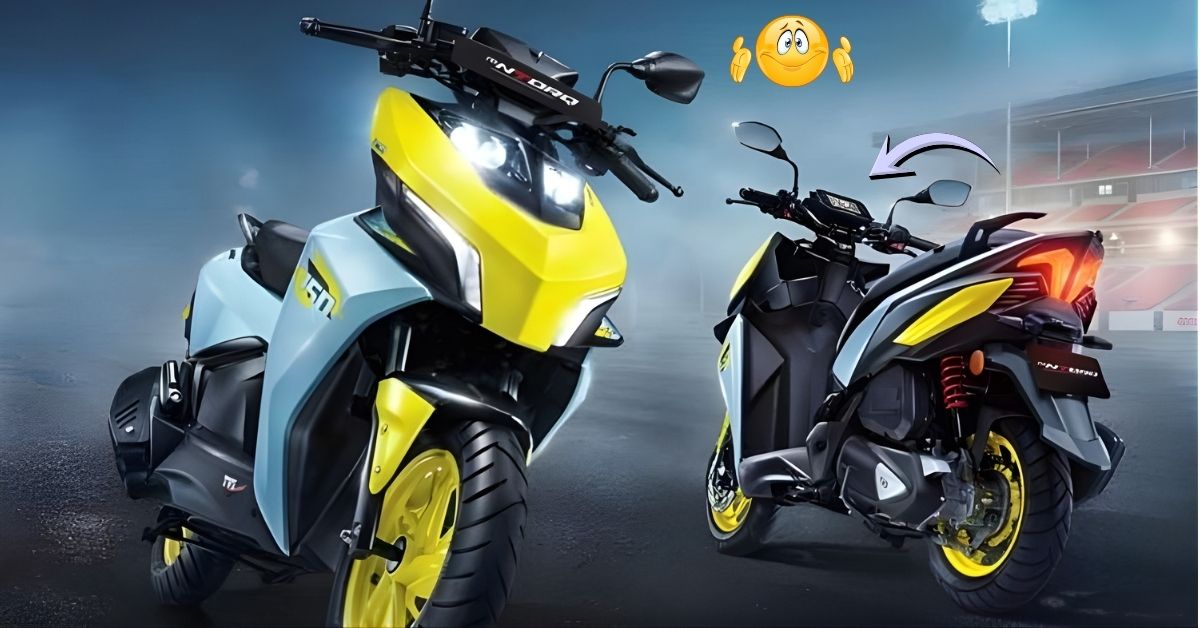

TVS NTorq 150

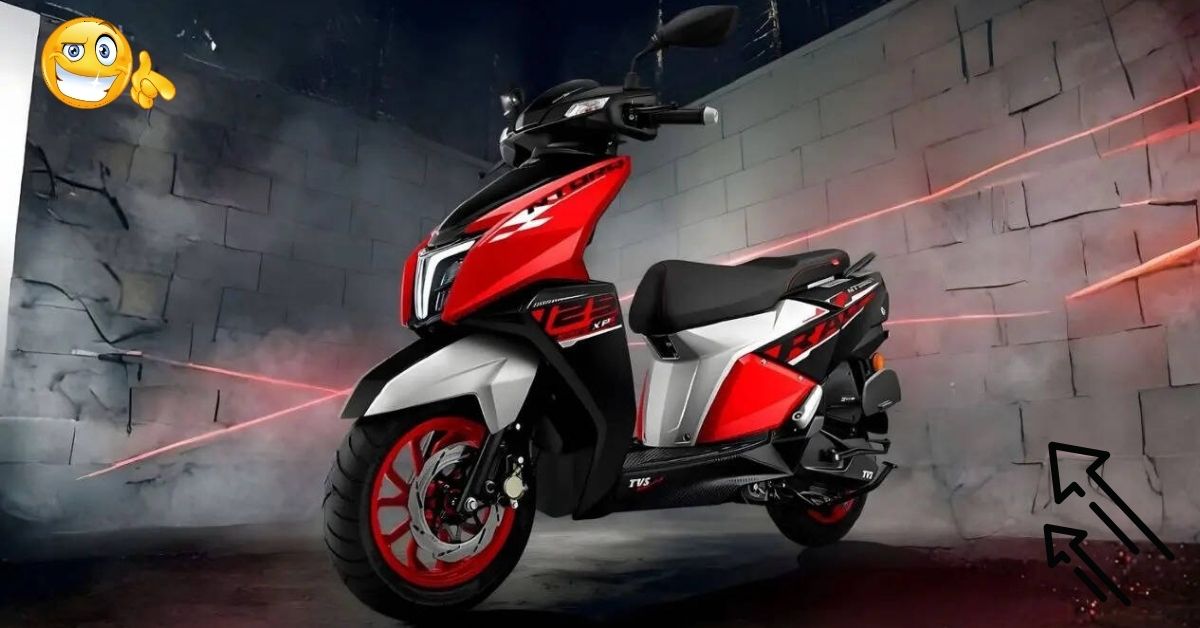
TVS NTorq 150 Launched in India: Price, Specs, and Top Speed

TVS Motor Company has officially entered the high-performance scooter segment with the launch of the highly anticipated TVS NTorq 150 in India. Building on the massive popularity of its 125cc sibling, the new NTorq 150 brings a bigger engine, advanced safety features, and a striking stealth-inspired design. If you are looking for a sporty scooter that perfectly balances daily commuting with thrilling weekend rides, here is everything you need to know about the newest addition to the Indian two-wheeler market.

Key Details and Specifications of the New NTorq 150

The TVS NTorq 150 is powered by a new 149.7cc, single-cylinder, three-valve, air-cooled engine. This motor is tuned to deliver an impressive 13.2 PS of peak power at 7000 rpm and 14.2 Nm of maximum torque at 5500 rpm. Paired with a CVT gearbox, the scooter is incredibly quick off the line. TVS claims a zero to 60 km/h acceleration time of just 6.3 seconds and a top speed of 104 km/h, making it one of the fastest options in its category.

Beyond raw power, the scooter is packed with segment-first technology. The front fascia features an aggressive quad-projector LED headlight setup and aerodynamic winglets. The rider gets to experience an exposed handlebar design accompanied by a smart five-inch floating TFT display. This screen offers multiple gaming-inspired themes, smartwatch connectivity, Alexa voice integration, and turn-by-turn navigation. Safety is also a major highlight, as the NTorq 150 comes standard with a front disc brake, single-channel ABS, and a switchable traction control system to prevent wheel slip on loose surfaces.

Check out more: Aprilia Tuono 457

Background and Context

For over seven years, the TVS NTorq 125 has dominated the sporty commuter space in India. It became the go-to choice for young buyers wanting a fun, stylish, and feature-rich ride. However, as the Indian market evolved, a new segment of performance-oriented scooters began to emerge. Enthusiasts started demanding more power without sacrificing the convenience of a gearless scooter. Recognizing this shift, TVS engineered the NTorq 150 to fill the gap between everyday practicality and motorcycle-like performance, directly responding to the shifting tastes of Indian consumers.

Why It Matters and Its Impact in India

The launch of the TVS NTorq 150 marks a significant shift in the Indian scooter industry. Traditionally, scooters above 125cc were considered a niche market, but the NTorq 150 brings hyper-sport styling and premium features to a wider audience. It directly challenges established rivals like the Yamaha Aerox 155, Aprilia SR 160, and the upcoming Hero Xoom 160. By introducing high-end motorcycle features—such as traction control, iGO hybrid assist, and multiple riding modes (Street and Race)—into a scooter, TVS is raising the standard for what Indian buyers can expect at this price point.

Price, Official Updates, and What Happens Next

TVS has launched the NTorq 150 at an introductory starting price of Rs 1.19 lakh (ex-showroom) for the standard variant. The top-tier TFT variant is priced at Rs 1.29 lakh (ex-showroom). The scooter is currently available at TVS dealerships across the country in four vibrant colors: Turbo Blue, Stealth Silver, Racing Red, and Nitro Green. Moving forward, the company is expected to roll out over-the-air (OTA) software updates for the smart TFT cluster to add even more connected features. Deliveries have already commenced, and interested buyers can book test rides through the official TVS website or local showrooms.

Frequently Asked Questions (FAQs)

What is the price of the TVS NTorq 150 in India?

The scooter is priced between Rs 1.19 lakh for the standard model and Rs 1.29 lakh for the fully-loaded TFT variant (ex-showroom prices).

What is the mileage of the TVS NTorq 150?

While exact real-world numbers vary based on riding style, the scooter is expected to deliver an overall mileage of around 40 kmpl under mixed city and highway conditions.

Does the TVS NTorq 150 have ABS?

Yes, the TVS NTorq 150 comes equipped with single-channel ABS on the front wheel, along with a switchable traction control system for added safety.

What are the top speed and engine specs?

It features a 149.7cc engine that produces 13.2 PS of power. The scooter has a claimed top speed of 104 km/h and can accelerate from 0 to 60 km/h in just 6.3 seconds.

Suzuki e-Access Electric Scooter

Suzuki e-Access Electric Scooter Launched in India: Price, Range & Features

The electric two-wheeler market in India is growing rapidly, and legacy brands are finally stepping up to join the race. Suzuki Motorcycle India has officially entered the electric vehicle segment by launching its highly anticipated Suzuki e-Access. Building on the massive success of its petrol-powered Access 125, the company aims to offer a reliable, eco-friendly commuting option for Indian families. This article covers everything you need to know about the new electric scooter, from its battery technology to its premium pricing.

What Happened: Suzuki Enters the EV Space

After showcasing the concept at various mobility expos, Suzuki has officially launched the e-Access in the Indian market. Bookings are now open across authorized dealerships, and initial deliveries have already started. By transforming its most trusted scooter brand into an electric model, Suzuki is targeting urban riders who want a familiar, comfortable ride but with zero emissions. This marks a major shift for the Japanese manufacturer as it begins its electric journey in India.

Key Details and Specifications

The biggest talking point of the Suzuki e-Access is its battery technology. Unlike many competitors that use Nickel Manganese Cobalt batteries, Suzuki has opted for a 3.07 kWh Lithium Iron Phosphate (LFP) battery. This technology is known for better thermal stability, a longer lifespan, and higher safety, which is very important for Indian weather conditions. Suzuki claims this battery setup can last up to four times longer than standard EV batteries.

Powering the scooter is a 4.1 kW electric motor that generates 15 Nm of torque. In terms of performance, the scooter delivers a top speed of 71 kmph, making it perfect for city traffic. The certified riding range is 95 kilometers on a single charge. When it comes to charging, a standard home charger takes about six and a half hours for a full charge. However, the scooter also supports DC fast charging, which can juice up the battery from zero to full in just over two hours.

Check out more: Porsche Cayenne

Design and Smart Features

Visually, the e-Access retains the clean, family-friendly design of its petrol sibling but adds modern touches like full LED lighting and stylish 12-inch alloy wheels. It has a comfortable seat height of 765mm and a ground clearance of 160mm, designed specifically to handle rough Indian roads easily.

The scooter is packed with modern technology to improve the riding experience. It features a 4.2-inch color TFT display that connects to your smartphone via Bluetooth. Through the Suzuki Ride Connect app, riders can access turn-by-turn navigation, call alerts, and weather updates directly on the screen. It also offers three distinct riding modes (Eco, Ride A, and Ride B) along with a handy reverse mode for tight parking spaces.

Expected Launch Date and Price in India

The Suzuki e-Access is already available for purchase, having officially launched in early 2026. Suzuki has positioned it as a premium offering, setting the price at Rs 1.88 lakh (ex-showroom, Delhi). While this price tag is noticeably higher than many of its rivals, the company is trying to justify the cost with exceptional peace of mind for the buyer. Suzuki is offering a massive 7-year or 80,000-kilometer extended warranty on the battery and motor at no extra cost, along with a 60 percent buyback assurance after three years.

Why It Matters and Market Impact

The launch of the Suzuki e-Access is significant because it brings a highly trusted Japanese brand into the mainstream Indian EV market. However, its high price tag places it in direct competition with the top-tier variants of established scooters like the TVS iQube, Ather 450, and Bajaj Chetak. Because most of these competitors cost significantly less and sometimes offer more range, Suzuki is relying heavily on its brand loyalty, build quality, and the superior safety of its LFP battery to win over customers.

What Happens Next

Suzuki is currently focusing on making its dealership network fully equipped for electric vehicles. This includes installing standard and fast chargers at hundreds of outlets across the country and training mechanics specifically for EV maintenance. Going forward, the company will closely monitor sales figures and customer feedback to refine its future electric mobility strategy in India.

Frequently Asked Questions (FAQ)

What is the real-world range of the Suzuki e-Access?

The official certified range is 95 kilometers on a full charge. In real-world city riding conditions, you can expect it to deliver around 70 to 80 kilometers depending on traffic and riding modes.

How long does it take to charge the scooter?

Using the standard home charger, it takes about 6 hours and 42 minutes to charge completely. If you use a compatible DC fast charger, the time is reduced to roughly 2 hours and 12 minutes.

What kind of battery does the Suzuki e-Access use?

It uses a 3.07 kWh Lithium Iron Phosphate (LFP) battery. This type of battery is considered safer, handles heat better, and has a much longer overall lifespan compared to traditional lithium-ion batteries.

Does the scooter have a reverse gear?

Yes, the Suzuki e-Access comes with a dedicated reverse assist mode, which makes it much easier to pull the scooter out of tight or sloped parking spots.

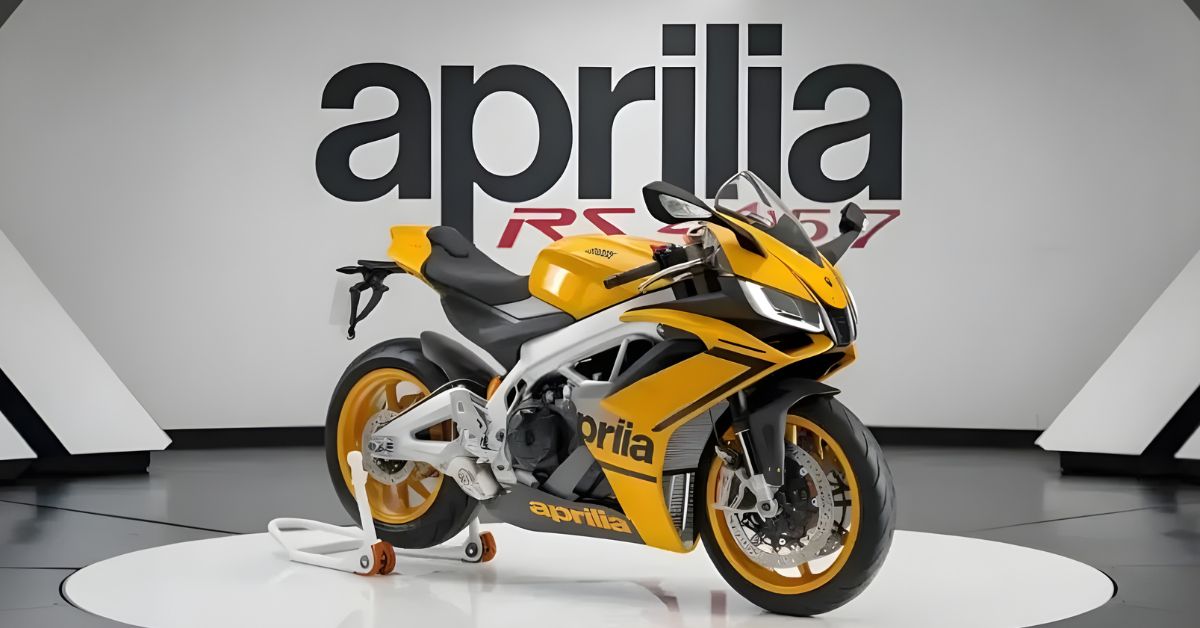
Aprilia Tuono 457

Aprilia Tuono 457 Launched in India: Price, Specs, and Features Explained

The Indian motorcycle market has seen a massive shift toward premium performance bikes, and Aprilia is riding this wave perfectly. Following the success of its fully-faired RS 457, the Italian brand brought its naked streetfighter sibling, the Aprilia Tuono 457, to Indian roads. Built for riders who want thrilling performance without the back-breaking riding posture of a track bike, the Tuono 457 offers a perfect balance of power and daily usability.

This article breaks down everything you need to know about the Aprilia Tuono 457, from its engine specs and features to its on-road pricing and market competition.

Engine and Performance

At the heart of the Aprilia Tuono 457 sits a brilliant 457cc, liquid-cooled, parallel-twin engine. This is the exact same motor that powers the RS 457, and it generates an impressive 47.6 horsepower at 9,400 rpm along with 43.5 Nm of peak torque at 6,700 rpm. What makes this engine special is its 270-degree crank arrangement, which gives the bike a deep, rumbling exhaust note that sounds like a much bigger machine.

The engine is paired with a slick six-speed gearbox and a slip-and-assist clutch. For the Tuono, Aprilia made a very smart mechanical change by giving it a shorter final drive ratio by adding one extra tooth to the rear sprocket. In simple terms, this makes the bike accelerate much faster at lower speeds, making it incredibly punchy and fun to ride in stop-and-go city traffic. The motorcycle can go from 0 to 100 km/h in under five seconds and reaches a top speed of around 190 km/h.

Check out more: Nissan Gravite 

Design and Riding Comfort

The most noticeable difference between the Tuono and the RS is the design language. The Tuono 457 strips away the heavy side fairings and the sporty clip-on handlebars. Instead, it features a sharp, aggressive front headlight assembly with signature LED daytime running lights.

By replacing the clip-ons with a wide, single-piece flat handlebar, Aprilia completely changed the way this bike feels. The riding position is upright and relaxed, meaning you can ride it all day without your wrists or lower back hurting. It has a seat height of 800 mm, which is quite accessible for average Indian riders. The fuel tank is slightly reshaped to accommodate the new handlebar steering lock, holding about 12.7 liters of petrol.

Hardware and Ride Quality

Underneath the bodywork, the Tuono 457 uses a premium twin-spar aluminum frame, which is very rare in this price segment. The suspension setup includes a 41mm upside-down (USD) front fork and a rear monoshock. Both ends offer preload adjustability, allowing you to tune the suspension stiffness based on your weight and riding style.

Braking duties are handled by ByBre components, featuring a large 320mm front disc and a 220mm rear disc. The bike rides on 17-inch alloy wheels wrapped in high-quality TVS Eurogrip Protorq Extreme tubeless tires, which provide excellent grip around sharp corners. Tipping the scales at a kerb weight of just 175 kg, it feels incredibly light and agile on the move.

Technology and Safety Features

Modern riders expect modern tech, and Aprilia does not disappoint. The rider gets a crisp 5-inch color TFT display that shows all vital information and connects to a smartphone via Bluetooth for call alerts and turn-by-turn navigation.

Safety is top-notch, featuring dual-channel ABS that can be switched off at the rear wheel for experienced riders who want to slide the bike on a track. It also comes with a ride-by-wire throttle, three distinct riding modes (Rain, Road, and Sport), and a three-level traction control system to prevent the rear wheel from spinning out on slippery roads. A quickshifter is available, but you have to buy it as an extra accessory.

Price and Market Impact in India

The Aprilia Tuono 457 is priced very competitively in India, starting at Rs 3.95 lakh (ex-showroom). Because it is manufactured locally at Aprilia’s Baramati plant in Maharashtra, the company managed to keep the costs in check while offering premium European engineering.

In the Indian market, the Tuono 457 competes directly with the KTM 390 Duke and the Yamaha MT-03. While the KTM offers raw single-cylinder aggression at a lower price point, the Tuono appeals to buyers who want the refinement, exhaust sound, and big-bike feel of a twin-cylinder engine. It serves as an excellent choice for anyone upgrading from a 200cc or 250cc motorcycle.

Frequently Asked Questions (FAQs)

What is the exact price of the Aprilia Tuono 457 in India?

The ex-showroom price for the Aprilia Tuono 457 starts at Rs 3.95 lakh. However, the final on-road price will vary between Rs 4.40 lakh and Rs 4.70 lakh depending on your state’s taxes, registration, and insurance rates.

What is the real-world mileage of the Tuono 457?

While the official claimed mileage is around 25.5 to 30 kmpl, you can expect a realistic fuel efficiency of 22 to 26 kmpl in normal city and highway riding conditions.

Does the Tuono 457 come with a quickshifter?

The motorcycle supports a bi-directional quickshifter for clutchless gear changes, but it is not included as a standard feature from the factory. You have to purchase it separately as an official Aprilia accessory.

How is the Tuono 457 different from the RS 457?

The Tuono is a naked streetfighter with an upright flat handlebar, making it much more comfortable for daily city use. The RS 457 is a fully-faired sports bike with a bent-forward racing posture. Additionally, the Tuono has slightly different gearing for faster low-end acceleration.

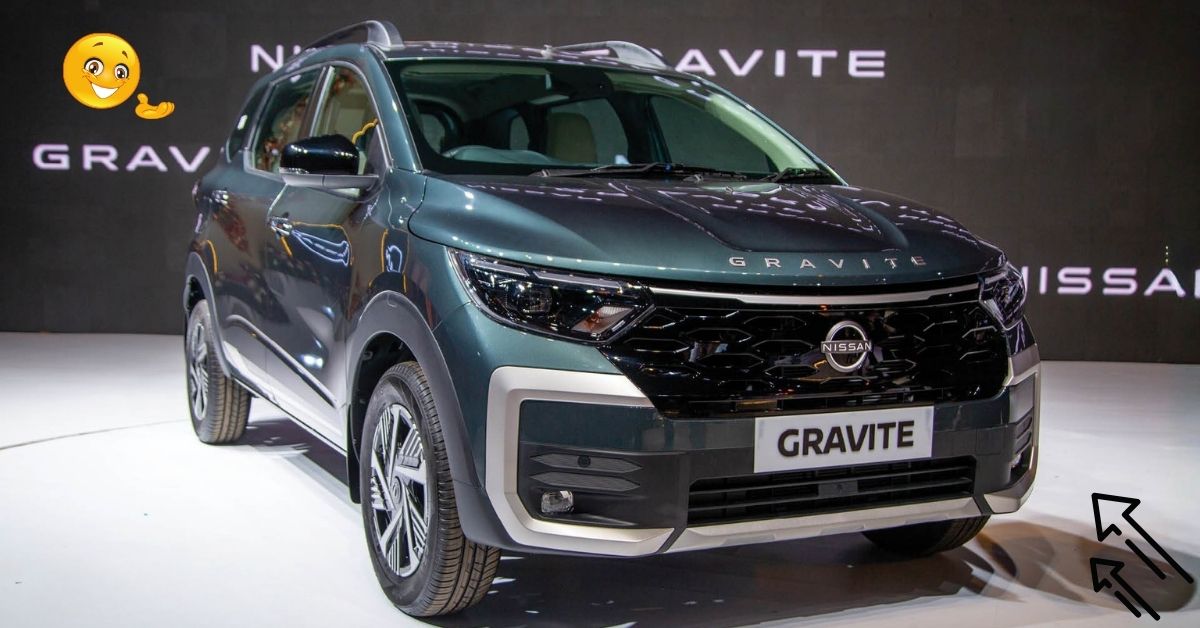
Nissan Gravite

Nissan Gravite Launched in India: 7-Seater MPV Price, Specs & Features

Nissan has officially expanded its footprint in the Indian automotive market with the launch of the highly anticipated Nissan Gravite. Positioned as an affordable and practical sub-4-meter MPV, this new 7-seater aims to capture the attention of large families on a budget. If you are looking for a versatile family car that does not break the bank, the newly launched Nissan Gravite offers a compelling mix of modular space, modern technology, and competitive pricing.

The Big Launch: Price and Variants

The Nissan Gravite was launched in India on February 17, 2026, marking a fresh chapter in Nissan’s growth strategy. Built on the proven CMF-A+ platform—the same architecture that underpins the Renault Triber—the Gravite enters the market with a highly aggressive introductory pricing strategy.

Prices for the Nissan Gravite start at just ₹5.65 lakh for the base manual variant and go up to ₹8.94 lakh (ex-showroom) for the top-end automatic trims. Nissan is offering the MPV across four primary variants: Visia, Acenta, N-Connecta, and Tekna. To celebrate the launch, the company has also introduced a special “Launch Edition” based on the top-spec Tekna trim. This edition is limited to the first 1,001 customers and includes premium accessories like a dual dashcam, JBL speakers, and an air purifier.

Check out more: Porsche Cayenne 2026 

Engine Performance and Mileage Options

Under the hood, the Nissan Gravite keeps things simple and efficient. It is powered by a reliable 1.0-litre, three-cylinder, naturally aspirated petrol engine. This motor generates 72 PS of maximum power and 96 Nm of peak torque, which is tuned for relaxed city commutes and steady highway cruising.

Buyers can choose between two transmission options: a standard 5-speed manual gearbox and a convenient 5-speed Automated Manual Transmission (AMT) for those who prefer clutch-free driving in heavy traffic. Fuel efficiency is a strong point for this family vehicle, with the manual version delivering an ARAI-certified mileage of 19.3 kmpl, while the AMT version offers a slightly higher 19.6 kmpl.

Smart Design and Unmatched Cabin Modularity

While the Nissan Gravite shares its core skeleton with the Renault Triber, it brings a distinct visual identity to the road. The front fascia features Nissan’s signature styling, complete with a bold honeycomb-patterned grille, sleek LED daytime running lights, and a rugged bumper design with silver accents.

However, the real magic happens inside the cabin. The Gravite is designed with Indian families in mind, offering multiple flexible seating configurations. In its standard form, it seats seven passengers comfortably. If you need more luggage space, the third-row seats can be completely removed, transforming the MPV into a massive 625-litre cargo hauler. This flexible modularity makes it perfect for both daily school runs and long weekend getaways.

Key Technology and Standard Safety Features

Nissan has packed the Gravite with a solid list of modern conveniences. The dashboard houses an 8-inch floating touchscreen infotainment system that supports wireless Apple CarPlay and Android Auto. The driver gets a modern 7-inch fully digital instrument cluster to monitor vital vehicle statistics. Other comfort features include push-button start, a wireless phone charger, and dedicated rear AC vents to keep all three rows cool during hot Indian summers.

Safety has been given top priority across all variants. The Nissan Gravite comes standard with six airbags right from the base model. It also includes Electronic Stability Control (ESC), a Traction Control System (TCS), Hill Start Assist, and a Tyre Pressure Monitoring System (TPMS), ensuring peace of mind for you and your passengers on every trip.

Why the Nissan Gravite Matters for India

This launch represents the beginning of Nissan’s “resurgence” strategy in the Indian market. For the past few years, the brand has heavily relied on the success of the Magnite compact SUV. The arrival of the Gravite gives buyers an accessible alternative to more expensive MPVs like the Maruti Suzuki Ertiga and the Kia Carens. By pricing it directly against the Renault Triber, Nissan is aggressively targeting first-time car buyers who prioritize cabin space and standard safety over outright engine power.

Booking and Delivery Updates

For those interested in bringing the Nissan Gravite home, official bookings are currently open across India. You can reserve the MPV at authorized Nissan dealerships or via their official website for a token amount of ₹11,000. Customer deliveries are officially scheduled to commence in March 2026. Furthermore, the first 5,000 customers will benefit from a robust ownership package that includes zero service costs for the first five years and extended warranty options.

Frequently Asked Questions (FAQs)

What is the price of the Nissan Gravite in India?

The Nissan Gravite comes with an introductory starting price of ₹5.65 lakh, with the top-end automatic variants priced up to ₹8.94 lakh (ex-showroom).

Is the Nissan Gravite a 5-seater or a 7-seater?

It is a true 7-seater MPV. However, the third-row seats are completely removable, allowing you to easily convert it into a 5-seater with a massive 625-litre boot space.

Does the Nissan Gravite offer an automatic transmission?

Yes, the Gravite is available with a 5-speed Automated Manual Transmission (AMT) alongside the standard 5-speed manual gearbox.

What is the real-world mileage of the Nissan Gravite?

The officially claimed mileage is 19.3 kmpl for the manual transmission and 19.6 kmpl for the AMT version, making it a very fuel-efficient option for families.

Is the Nissan Gravite safe for families?

Yes, it is equipped with over 30 standard safety features, including six airbags, electronic stability control, and hill start assist standard across all variants.

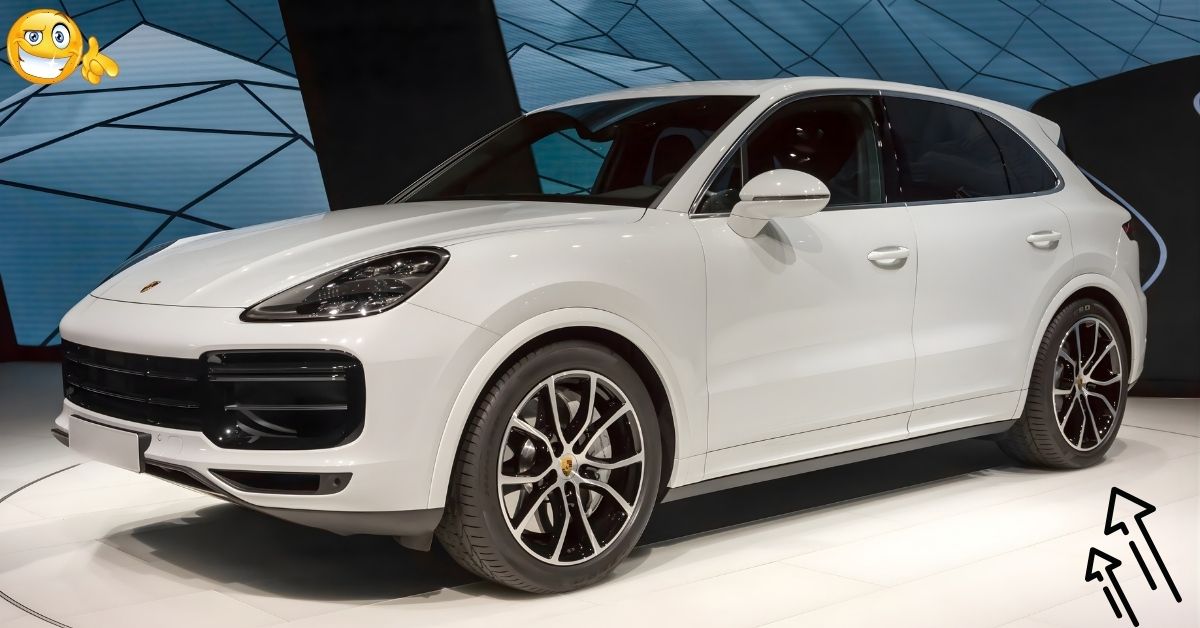
Porsche Cayenne

Porsche Cayenne 2026 Launch in India: Price, Specs, and Electric Range

The luxury SUV market in India is getting an exciting update. Porsche has officially launched the all-new Porsche Cayenne Electric in the country, alongside its popular petrol-powered versions. If you are a car lover or planning to buy a premium SUV, here is everything you need to know about the latest Porsche Cayenne models, their prices, and what makes them special.

What Happened: The Arrival of the Porsche Cayenne Electric

Porsche recently introduced the highly anticipated Cayenne Electric and Cayenne Turbo Electric in India. This is a big step for the brand as it moves towards a greener future without losing its famous sports car performance. Deliveries for these new electric SUVs are expected to begin in the second half of 2026. Buyers can now book their vehicles online or at their nearest Porsche showroom.

Key Details and Pricing in India

The Porsche Cayenne series offers something for everyone, whether you prefer traditional petrol engines or modern electric power.

Check out more: Xiaomi 14 Civi 

Porsche Cayenne Petrol Models

The standard petrol-powered Cayenne remains a top choice for Indian buyers. The base model starts at around Rs 1.39 crore (ex-showroom), while the more powerful Cayenne GTS goes up to Rs 1.94 crore. These models feature strong V6 and V8 engines, offering top speeds up to 275 kmph and excellent driving comfort for both city roads and highways.

Porsche Cayenne Electric Models

For those looking to switch to battery power, the new Cayenne Electric is priced starting at Rs 1.76 crore. The top-end Cayenne Turbo Electric costs about Rs 2.26 crore. The Turbo Electric model is now the most powerful production Porsche ever made. It can go from 0 to 100 kmph in just 2.5 seconds. Both electric models offer an impressive driving range of over 620 kilometers on a single full charge.

Background and Why It Matters

The Cayenne has been a massive success for Porsche globally and in India. Since its first launch over twenty years ago, it has proven that an SUV can drive like a sports car. By bringing the electric version to India, Porsche is responding to the growing demand for luxury electric vehicles. This matters because it pushes other luxury car brands to bring their best electric technology to the Indian market.

The Impact on the Indian Auto Market

The launch of the Cayenne Electric creates tough competition for other luxury electric SUVs in India. It will directly compete with cars like the Audi Q8 e-tron, BMW iX, and Lotus Eletre. Furthermore, Porsche’s decision to offer an optional wireless charging feature—a first for the brand—sets a new standard for convenience in the Indian luxury segment.

What Happens Next: The Cayenne Coupe Electric

Porsche is not stopping here. Official reports confirm that the company plans to launch the sportier Porsche Cayenne Coupe Electric in India later in 2026. This upcoming model will feature a stylish sloping roofline and similar powerful battery options, giving buyers even more choices in the ultra-luxury segment.

Frequently Asked Questions (FAQs)

What is the price of the Porsche Cayenne in India?

The standard petrol models start at Rs 1.39 crore, while the newly launched electric models start at Rs 1.76 crore (ex-showroom).

What is the driving range of the Porsche Cayenne Electric?

The standard Cayenne Electric can travel up to 642 kilometers on a single full charge, making it highly practical for long road trips.

When will deliveries for the Cayenne Electric start in India?

Deliveries for the new electric models are expected to begin in the second half of 2026 across India.

Will Porsche continue selling petrol Cayenne models?

Yes, Porsche will continue to sell the petrol-powered Cayenne variants alongside the new electric versions.

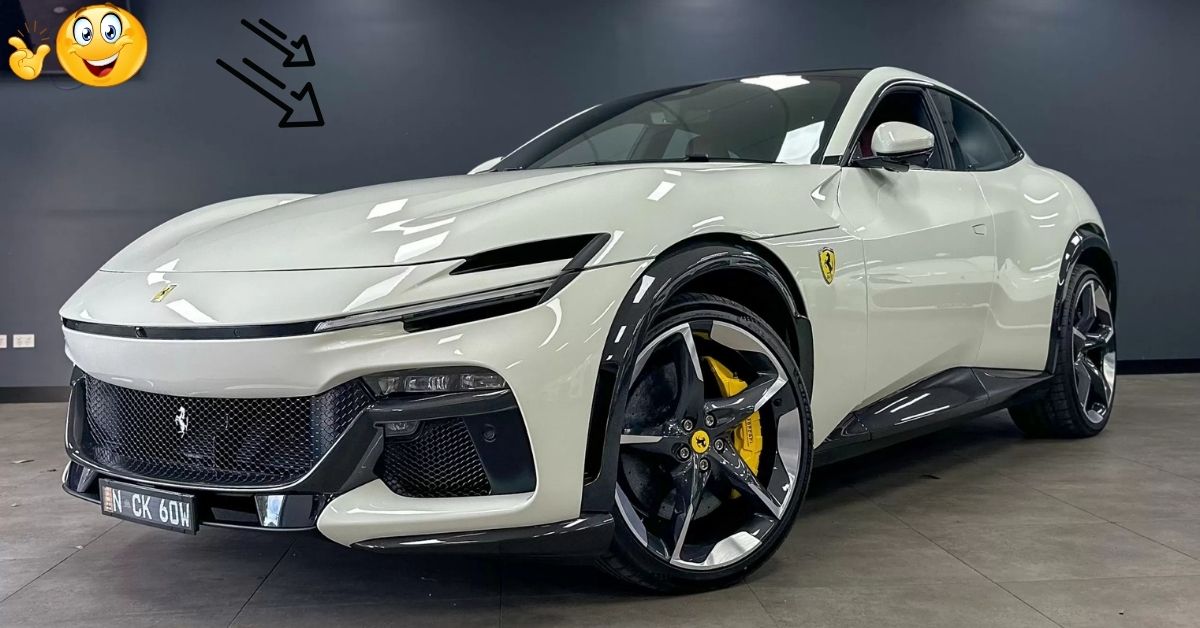
Ferrari Purosangue

Ferrari Purosangue in India: Price, Specs, and V12 Engine Details

Ferrari has always been known for making low-slung, super-fast sports cars. But the world of luxury cars is changing, and even Ferrari has decided to make something different. The Ferrari Purosangue is the Italian brand’s very first four-door, four-seater vehicle. While most people call it a super SUV, Ferrari prefers to call it a true sports car that just happens to be bigger. Let us look at what makes this vehicle so special, how much it costs in India, and why it is making headlines.

What is the Ferrari Purosangue?

For 75 years, Ferrari refused to build an SUV. However, to meet the growing demand for practical but highly powerful vehicles, they introduced the Purosangue, which means “thoroughbred” in Italian. It was designed from the ground up to offer the thrill of a traditional Ferrari while providing enough space for a family.

Instead of regular rear doors, this car features rear-hinged doors, also known as suicide doors. This unique design makes it easier for passengers to get in and out of the spacious rear cabin. It also comes with a massive 473-litre boot space, making it the most practical Ferrari ever built for daily use.

Check out more: OPPO Find X9 Pro

Engine and Performance: The V12 Power

While other luxury car brands are moving towards smaller engines or electric power, Ferrari took a different route. Under the hood, the Purosangue packs a massive 6.5-litre, naturally aspirated V12 engine.

This engine produces 725 horsepower and 716 Nm of torque. Despite its large size and heavier weight, the car can shoot from 0 to 100 km/h in just 3.3 seconds. If pushed to the limit, it can reach a top speed of 310 km/h. The power is sent to all four wheels through an eight-speed automatic gearbox, ensuring that the car remains stable and fast in all driving conditions.

Ferrari Purosangue Price in India

Owning a Ferrari is a dream for many, but the Purosangue takes the cost of luxury to a whole new level. The starting ex-showroom price for the Ferrari Purosangue in India is around Rs. 10.50 Crore.

However, when you add taxes, insurance, and custom options like special paint colors, lifted suspension, or upgraded interiors, the on-road price easily crosses Rs. 12 Crore. In some cities, fully loaded versions cost nearly Rs. 12.97 Crore. This makes it one of the most expensive utility vehicles available in the Indian market today, costing much more than its direct rivals like the Lamborghini Urus and Aston Martin DBX.

Who is Buying It in India?

Despite the massive price tag, the demand for the Ferrari Purosangue in India has been surprisingly high. Official deliveries started a while ago, and the very first model in the country was delivered to a well-known businessman in Bangalore who owns a famous collection of luxury cars.

Recently, the car made news again in early 2026 when Indian cricketer Abhishek Sharma reportedly bought a Nero (black) Purosangue for nearly Rs. 12.97 Crore. This purchase made major headlines because it became the most expensive car owned by any active Indian cricketer, bringing a lot of fresh attention to the vehicle.

Why This Car Matters and What Happens Next

The launch of the Purosangue is a massive milestone for Ferrari. It shows that the company can adapt to market trends without losing its core identity of building V12-powered dream cars. In India, the growing number of ultra-rich individuals has created a strong market for such exclusive vehicles.

If you want to buy a Ferrari Purosangue today, you will have to wait a very long time. The car is reportedly sold out globally for the rest of 2026. Furthermore, auto experts suggest that when Ferrari opens the order books again, the prices might increase by up to 20 percent. The company is also prioritizing its existing customers, meaning first-time Ferrari buyers will be placed further down the waiting list.

Frequently Asked Questions (FAQs)

Is the Ferrari Purosangue an SUV?

While the world considers it a high-performance SUV, Ferrari officially calls it an FUV (Ferrari Utility Vehicle) or a four-door sports car because of its unique design and track-focused performance.

What is the mileage of the Ferrari Purosangue?

Because it uses a massive V12 engine focused purely on speed and power, the fuel efficiency is very low. The official claimed mileage is around 5.78 kilometers per liter.

How much does the Ferrari Purosangue cost in India?

The base ex-showroom price is Rs. 10.50 Crore, but the final on-road price can range between Rs. 12.13 Crore and Rs. 12.97 Crore depending on the city and customized features.

What is the waiting period for this car?

Due to high global demand and limited production numbers, the car is currently sold out well into late 2026. The waiting period for new buyers can easily exceed two years.

Koenigsegg CCXR

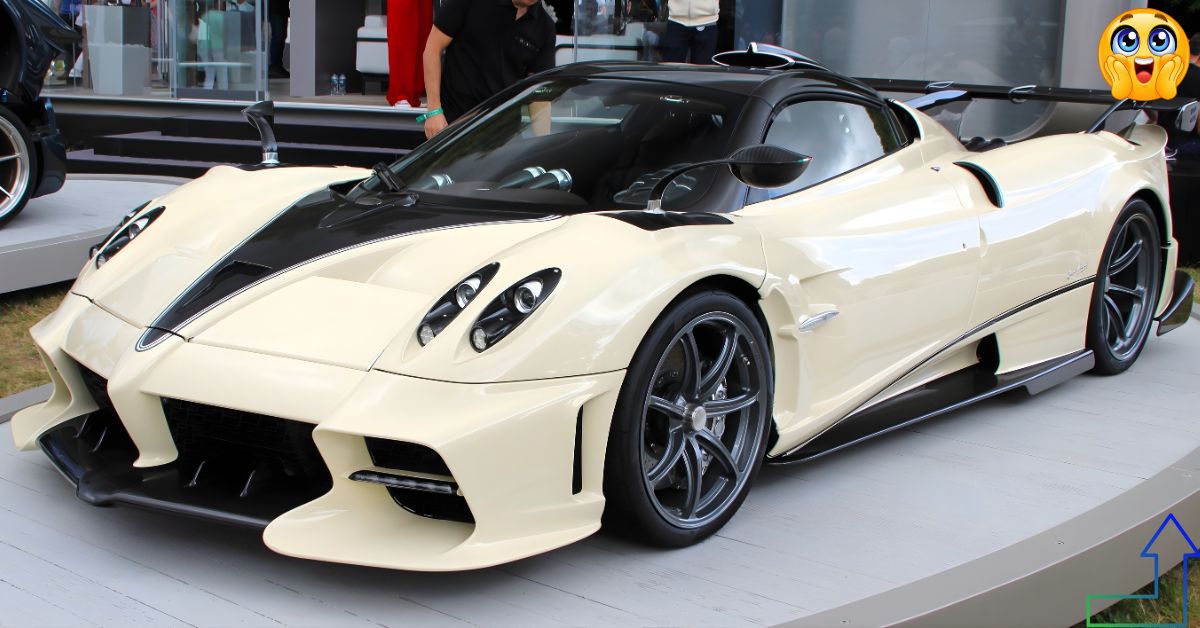
Pagani Huayra Imola Roadster: Specs, Price, and Details in India

Car enthusiasts across India have a new dream machine to search for online. The Pagani Huayra Imola Roadster has recently captured the internet’s attention, trending heavily as automotive fans look up its jaw-dropping design and mind-bending price tag. This highly exclusive, open-top hypercar is a masterpiece of modern engineering. Although it is incredibly rare, the excitement around its extreme performance and ultra-luxurious details is reaching fans worldwide. Here is everything you need to know about this multi-crore hypercar.

What Makes the Imola Roadster So Special?

The Imola Roadster is not just a regular sports car. It was created by Pagani’s Grandi Complicazioni division, which handles the company’s most extreme and special projects. Initially, the brand made a closed-roof version called the Imola Coupé in 2020 to honor the famous Italian racetrack. After its success, they decided to combine the advanced technology of the Huayra Roadster BC with the aggressive aerodynamics of their track-only Huayra R.

The result is a completely road-legal convertible that drives like a professional race car. What makes it truly special is its rarity. Pagani is manufacturing only eight units of the Imola Roadster for the entire world. This makes it a highly coveted collector’s item reserved for the ultra-wealthy.

Read more: McLaren P1 GTR

Key Specifications and Performance Details

When you look under the hood of the Imola Roadster, the numbers are staggering. The car is powered by a massive 6.0-liter twin-turbo V12 engine built specifically for Pagani by Mercedes-AMG. This engine generates a massive 838 horsepower and ,1,100 Nm of torque. All of this power is sent to the rear wheels through a highly responsive seven-speed sequential gearbox.

Despite carrying such a large engine, the car is surprisingly light. It weighs only 1,260 kilograms. Pagani achieved this by using advanced carbon-titanium materials for the body and chassis. Even the special “Acquarello Light” paint used on the car was engineered to be lighter, saving exactly five kilograms without losing its rich color. With this power-to-weight ratio, the Imola Roadster can easily reach a self-limited top speed of 350 km/h.

Aerodynamics also play a huge role. Every curve and vent on the car is designed to cut through the air. The car generates 600 kilograms of downforce at 280 km/h, meaning the faster it goes, the harder the air pushes it into the road, keeping the driver safe and grounded.

Impact in India and Availability

In global markets, the base price of the Pagani Huayra Imola Roadster is estimated to be around ₹49 Crores ($5.5 million). However, buying this car in India is a completely different story.

India has very high import taxes on fully built luxury vehicles, often exceeding 100% of the car’s original value. If an Indian buyer were to import this hypercar and register it locally, the final on-road price could easily cross the ₹100 crore mark.

Currently, there are no official updates on any of the eight units being delivered to India. Pagani does not have a direct dealership network in the country, and their closest regional hub is located in Dubai. Most Indian billionaires who purchase such ultra-rare hypercars tend to keep them at their residences in the Middle East or Europe. However, the sheer fact that the car is trending in India shows a rapidly growing appetite for global hypercar news and luxury automotive culture among the Indian public.

What Happens Next?

With only eight units ever being made, the production run of the Imola Roadster is extremely short. Pagani builds these cars by hand, meaning each vehicle takes months to complete according to the exact custom wishes of the buyer.

For the general public, the only chance to see an Imola Roadster will likely be through social media videos, international car shows, or if a global owner decides to bring it to a high-profile supercar rally. As the company wraps up this project, the automotive world is already looking forward to Pagani’s next generation of hypercars, including the recently announced Utopia series.

Frequently Asked Questions (FAQs)

How many Pagani Imola Roadsters will be built?

Pagani is strictly limiting the production to just eight units worldwide, making it one of the rarest cars on the planet.

What is the top speed of the Imola Roadster?

The hypercar has a self-limited top speed of 350 km/h (about 217 mph) to ensure the tires and aerodynamic parts remain safe and stable.

Is the Pagani Imola Roadster legal to drive on normal roads?

Yes. Even though it looks and performs like a track-only race car, it is fully homologated and legal to drive on public roads worldwide.

How much does the Pagani Imola Roadster cost in India?

The global price is roughly ₹49 Crores. If imported into India, taxes and import duties would likely push the cost well over ₹100 Crores.

Who makes the engine for the Pagani Imola Roadster?

The 6.0-liter twin-turbo V12 engine is custom-built for Pagani by Mercedes-AMG in Germany.

Koenigsegg CCXR

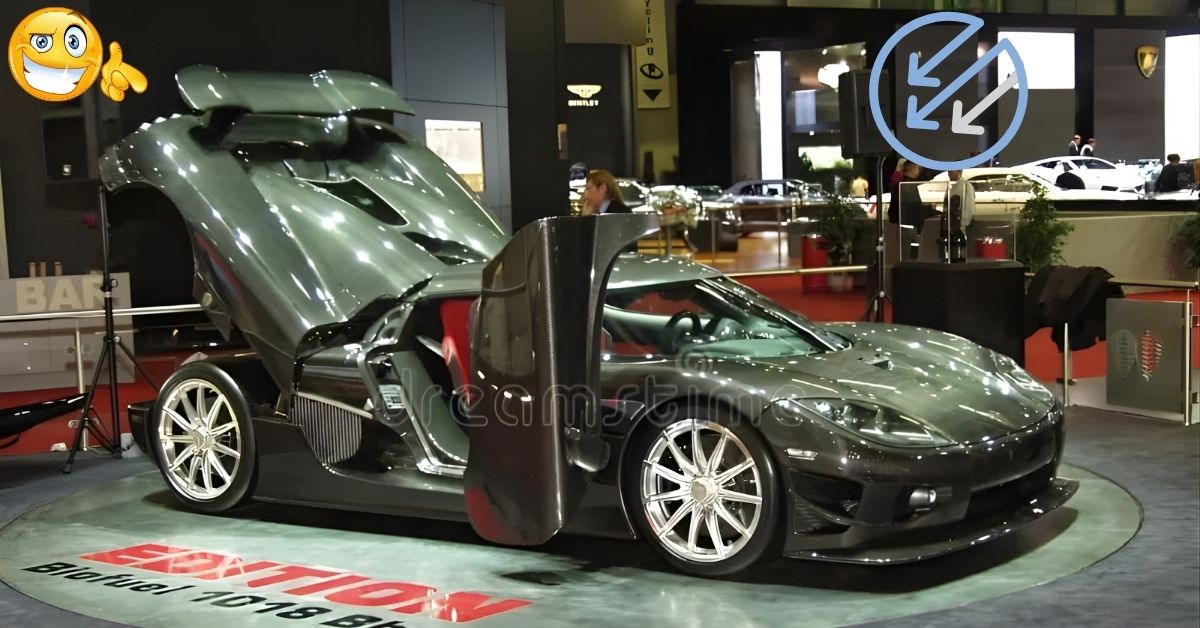
Koenigsegg CCXR Price in India, Specs & Why It’s Trending

The Koenigsegg CCXR is not just a car; it is a legendary piece of automotive history. Known for breaking barriers, it earned the title of the world’s first “green” hypercar by running on biofuel while still delivering mind-boggling speed. Recently, the Koenigsegg CCXR has been trending across India. From diecast scale model collectors on internet forums to supercar spotters hoping to catch a glimpse of this ultra-rare machine, the fascination is very real. Here is everything you need to know about what makes the Koenigsegg CCXR a masterpiece, its expected price if brought to India, and its incredible specifications.

What is the Koenigsegg CCXR?

The Koenigsegg CCXR is an upgraded, environmentally conscious version of the original CCX, created by the visionary Swedish automaker Christian von Koenigsegg. Affectionately referred to internally as having “Flower Power,” the CCXR was engineered to run on E85 and E100 ethanol fuel, as well as standard petrol.

Because ethanol has a higher octane rating and cooling capacity than regular pump fuel, the CCXR achieved an astonishing boost in power. It essentially paved the way for modern eco-friendly performance vehicles. The design remains aggressive and timeless, featuring a bespoke carbon fiber and kevlar body, an iconic double F1 rear wing, and the signature Koenigsegg dihedral synchro-helix doors.

Check out more: Bugatti Centodieci

Koenigsegg CCXR Price in India

Koenigsegg does not currently have an official dealership or showroom in India, meaning any purchase involves importing the vehicle privately. Because it is a highly exclusive and limited-production hypercar, finding one on the global market is incredibly rare.

If a buyer were to import a model like the Koenigsegg CCXR Trevita—a special diamond-weave carbon fiber edition limited to just two units globally—the base cost alone sits around $6.8 million. When factoring in India’s heavy import duties, which can exceed 100% on fully built-up luxury vehicles, along with registration and insurance, the Koenigsegg CCXR Trevita price in India would easily cross Rs 55 Crore. Standard CCXR models, if found at auction, would still command tens of crores due to their rarity and historical significance.

Key Specifications and Performance

The engineering behind the Koenigsegg CCXR is nothing short of spectacular. Under the hood lies a proprietary 4.8-liter twin-supercharged V8 engine. When running on E85 biofuel, this powerhouse produces a massive 1,018 horsepower and 1,060 Nm of torque.

This immense power allows the car to rocket from 0 to 100 km/h in just 3.1 seconds. Even more impressive is its top speed, which exceeds 400 km/h, placing it firmly among the fastest production cars ever made. The lightweight carbon fiber chassis, combined with advanced aerodynamics, ensures that the CCXR remains glued to the road even at terrifyingly high speeds.

Why is the CCXR Trending in India?

The Indian automotive scene has seen a massive surge in supercar culture over the last few years. While modern Italian and British sports cars are becoming more common on Indian streets, legacy hypercars like the CCXR remain mythical.

The recent spike in search interest is largely driven by automotive pop culture and the diecast collector community. Enthusiasts and collectors on platforms like Reddit have been actively discussing newly released 1:64 scale models of the CCXR. Furthermore, social media reels of international supercar meets and rare celebrity car collections frequently feature the CCXR, keeping the dream alive for Indian auto fans who appreciate top-tier automotive engineering.

Will Koenigsegg Officially Launch in India?

As of now, there are no official plans for Koenigsegg to open a direct dealership in India. While the company briefly attempted an entry years ago with models like the Agera, the niche market and extreme pricing meant it did not take root. For the foreseeable future, spotting a Koenigsegg in India will rely on elite private importers who are willing to navigate the complex taxes and logistics required to bring these Swedish masterpieces to the subcontinent.

Frequently Asked Questions (FAQs)

Is the Koenigsegg CCXR road legal in India?

Yes, it can be road legal if it is privately imported with the correct customs paperwork, emissions compliance, and RTO registration. However, due to its extremely low ground clearance, it is very difficult to drive safely on regular Indian roads.

What is the top speed of the Koenigsegg CCXR?

The Koenigsegg CCXR has an estimated top speed of over 400 km/h (250+ mph), making it one of the fastest production cars in the world.

Why is it called a green hypercar?

It earned the “green” title because its engine was specially modified to run on E85 and E100 ethanol biofuels, which drastically reduces its emissions compared to standard petrol hypercars.

How many Koenigsegg CCXR Trevita units exist?

Only two units of the Koenigsegg CCXR Trevita were ever built worldwide, making it one of the rarest and most highly sought-after vehicles on the planet.

McLaren P1 GTR

Bugatti Centodieci Price in India, Top Speed, and Owner Details

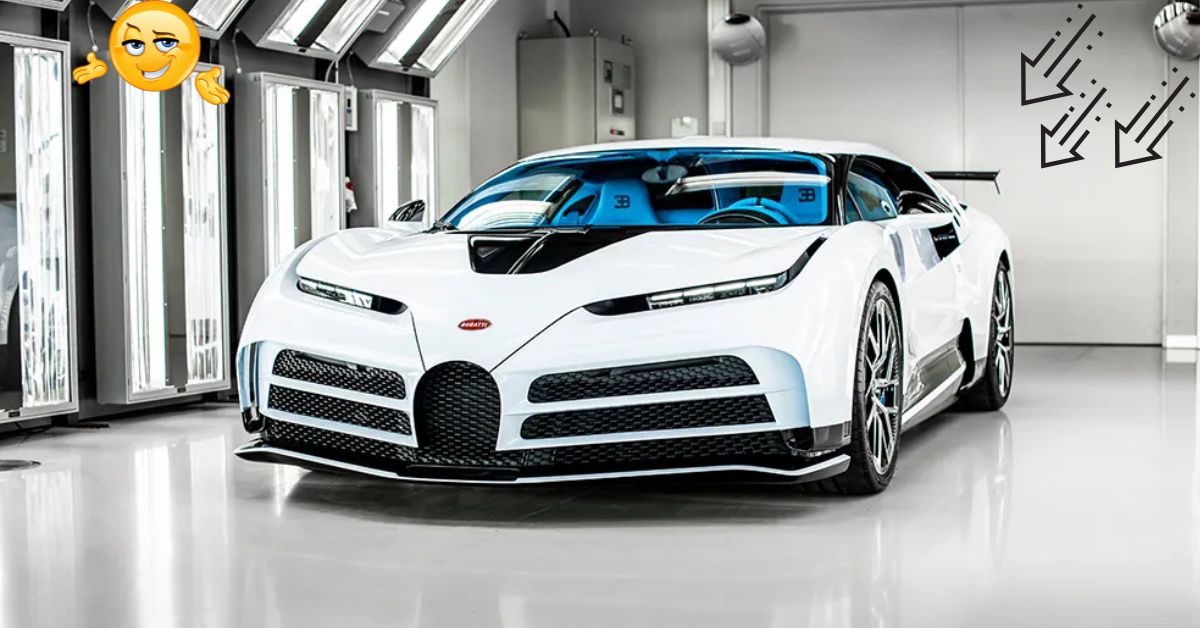
The Bugatti Centodieci is a dream car for millions, but only ten lucky people in the world actually own one. With football legend Cristiano Ronaldo proudly parking this masterpiece in his private garage, car fans in India are constantly searching for details about its price, top speed, and availability. If you are wondering whether this ultra-rare hypercar will ever touch Indian roads, here is everything you need to know about it.

What Makes the Bugatti Centodieci So Special?

“Centodieci” translates to 110 in Italian. Bugatti created this vehicle to celebrate the brand’s 110th anniversary and to pay a beautiful tribute to the iconic Bugatti EB110 supercar from the 1990s. The design blends modern aerodynamics with classic styling cues from the past. For instance, it features a smaller horseshoe grille at the front and five unique diamond-shaped air intakes on the side. Bugatti engineers worked hard to make sure this car was lighter and more aggressive on the race track than their standard Chiron model.


Check out more: McLaren P1 GTR 

Engine and Extreme Performance

Under the hood, the Bugatti Centodieci is an absolute monster. It is powered by a massive 8.0-litre, quad-turbocharged W16 engine that generates a mind-boggling 1,600 horsepower. This immense power allows the car to sprint from zero to 100 km/h in just 2.4 seconds. If you keep your foot on the gas pedal, it can reach an electronically limited top speed of 380 km/h. Bugatti designed this specific model to deliver perfect high-speed stability and sharp handling rather than just focusing on straight-line speed.

Bugatti Centodieci Price in India

The price tag of this hypercar is just as staggering as its performance. In the international market, the Bugatti Centodieci was launched at a base price of around 8.5 to 9 million Euros. If we convert that figure directly, the Bugatti Centodieci price in India comes to roughly ₹75 Crores.

However, buying a foreign hypercar in India is never that simple. The Indian government imposes heavy import duties and taxes on fully built foreign cars, which can range from 100% to over 110% of the vehicle’s value. If a billionaire decides to import the Centodieci to India, the final on-road cost could easily cross ₹150 Crores to ₹160 Crores after adding customs, registration, and insurance.

Does Anyone Own a Bugatti Centodieci in India?

With such extreme rarity, it is natural to wonder if any Indian business tycoon or Bollywood celebrity managed to buy this hypercar. As of now, there is no official Bugatti Centodieci owner residing in India. The brand handpicked the buyers for the ten units produced, and all of them were sold out long before the car was even revealed to the public. The most famous owner of this vehicle is the Portuguese football icon Cristiano Ronaldo, who reportedly bought it to celebrate a major career milestone.

What Happens Next: Will Bugatti Launch It in India?

Bugatti does not have an official dealership network in India right now. The company focuses on markets with higher hypercar demands, such as Europe, the Middle East, and North America. Because all ten units of the Centodieci have already been manufactured and successfully delivered to their respective owners globally, you cannot buy a new one from the company anymore. Moving forward, the only way an Indian buyer could acquire one is if it appears in the used luxury car market or at a high-end international auction.

Frequently Asked Questions (FAQs)

What is the top speed of the Bugatti Centodieci?

The car has an electronically limited top speed of 380 km/h. It accelerates from 0 to 100 km/h in a very impressive 2.4 seconds.

How many Bugatti Centodieci cars are there in the world?

Bugatti manufactured only 10 units of the Centodieci for the entire global market. This extremely low production number makes it one of the rarest cars in automotive history.

Did Cristiano Ronaldo buy a Bugatti Centodieci?

Yes, Cristiano Ronaldo is one of the ten exclusive owners of this hypercar. He added the Centodieci to his massive collection of luxury cars in recent years.

Can I buy a Bugatti in India?

While Bugatti does not have an official showroom in India, wealthy buyers can import their standard production cars through special permissions and private luxury car dealers. However, buyers must be ready to pay massive import taxes.

Back to Top
WhatsApp Channel
Compare (0)