Only COD || Advance में ₹1 भी नहीं देना है
McLaren P1 GTR

McLaren P1 GTR Explained: Specs, History, and Its Craze in India

Car enthusiasts across India and the globe are constantly looking back at the legends of the hypercar world. The McLaren P1 GTR is one such masterpiece that continues to trend. Even years after its original production ended, this 986-horsepower track weapon remains a popular topic among speed lovers, collectors, and automotive fans. From its jaw-dropping design to its hybrid V8 engine, the P1 GTR set a benchmark that even modern supercars struggle to beat. Here is everything you need to know about the McLaren P1 GTR, its background, its connection to the Indian market, and why it matters today.

What Happened: The Birth of a Track Legend

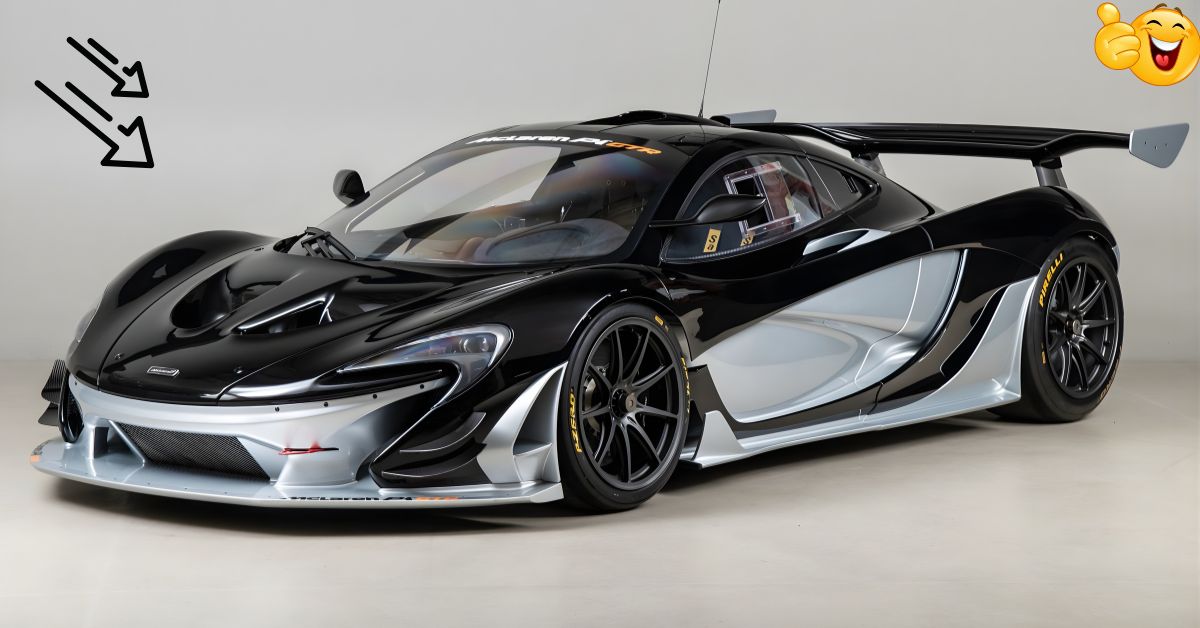
McLaren originally launched the standard P1 as a road-legal hybrid hypercar. When the production of the 375 road cars ended around 2015, the company decided to give its most loyal customers something even more extreme. They removed all the rules required for road cars and created the McLaren P1 GTR. It was strictly built for the race track.

Only existing McLaren P1 owners were allowed to buy the GTR version. The car came with a complete driver training programme, including access to McLaren’s racing simulators and track days at famous Formula 1 circuits around the world. Because of this exclusivity, the P1 GTR instantly became a rare collector’s item.

Read more: Tata Xpres T EV

Key Details and Engineering Marvels

The McLaren P1 GTR takes the hybrid technology of the standard car and pushes it to the limit. It features a 3.8-litre twin-turbocharged V8 engine combined with an electric motor. Together, they produce a massive 986 horsepower.

To make the car faster around corners, McLaren engineers widened the front track and lowered the ride height. They also added a massive fixed rear wing equipped with a Formula 1-style Drag Reduction System (DRS). This wing generates over 660 kg of downforce, gluing the car to the track at high speeds. To save weight, heavy glass windows were replaced with lightweight plastic, and the interior was stripped down to just the bare essentials.

The Lanzante Road-Legal Conversions

Although McLaren built the P1 GTR only for the track, a British company named Lanzante Motorsport stepped in to change the game. With McLaren’s blessing, Lanzante started converting a few P1 GTRs into road-legal cars. They added necessary safety features, modified the exhaust, and adjusted the ride height so the car could handle normal speed bumps. This made the P1 GTR even more famous, as people could suddenly see a pure race car driving on public streets.

Why It Matters and Impact in India

In India, the hypercar culture has grown rapidly over the last few years. While spotting a McLaren P1 GTR on Indian roads is nearly impossible due to import restrictions, heavy taxes, and its track-only nature, the car holds massive respect among Indian auto enthusiasts.

The impact of the P1 GTR in India is most visible in the collector and hobbyist communities. High-quality scale models, such as the 1:14 remote-control versions and 1:40 die-cast models, are highly searched and bought across the country. Indian racing fans also study the aerodynamic design of the P1 GTR, as it serves as a masterclass in automotive engineering. Furthermore, with McLaren officially entering the Indian market recently with models like the GT and 750S, fans are paying closer attention to the brand’s ultimate heritage cars.

What Happens Next: The Legacy Continues

The automotive industry is shifting completely towards electric vehicles, making hybrid V8 hypercars like the P1 GTR extremely valuable. Recently, McLaren revealed its newest ultimate supercar, the W1. While the W1 introduces the next generation of hybrid power, it also makes car lovers nostalgic for the raw, aggressive nature of the P1 GTR. The value of existing P1 GTR models continues to rise at global auctions, proving that this car is a permanent part of automotive history.

Frequently Asked Questions (FAQs)

Is the McLaren P1 GTR road legal?

Originally, the McLaren P1 GTR was built strictly for the race track and was not road legal. However, a company called Lanzante Motorsport converted a limited number of these cars to be driven legally on public roads.

How much horsepower does the McLaren P1 GTR have?

The car is powered by a 3.8-litre twin-turbo V8 engine paired with an electric motor, producing a combined output of 986 horsepower.

Can I buy a McLaren P1 GTR in India?

Buying a real McLaren P1 GTR in India is extremely difficult and expensive due to high import duties, its limited production, and the fact that it was originally offered only to existing P1 owners. However, many fans in India buy officially licensed remote-control and die-cast scale models of the car.

What is the top speed of the McLaren P1 GTR?

The top speed of the P1 GTR is electronically limited to around 350 km/h, but its main focus is on fast cornering and track lap times rather than just straight-line speed.

Why is the P1 GTR trending again?

The car often trends when rare models go up for auction, when automotive content creators review them, or when McLaren announces new hypercars like the W1, causing fans to look back at the brand’s previous masterpieces.
Tata Xpres T EV

Tata Xpres T EV: Price, Range, Specs, and Latest Fleet Updates in India

Electric vehicles are rapidly changing how Indians commute, especially when booking a daily cab. Leading this massive green shift in the commercial taxi market is the Tata Xpres T EV. Built specifically for fleet operators and businesses, this electric sedan has quietly become the most common electric cab on Indian roads.

If you have recently taken a green ride with services like Uber or BluSmart, chances are high that you were traveling in a Tata Xpres T EV. This article covers everything you need to know about this popular commercial electric car, including its current price, real-world range, top specifications, and the newest updates happening in the Indian market.

What is the Tata Xpres T EV?

The Tata Xpres T EV is India’s first electric sedan made exclusively for commercial fleet buyers. It is essentially the commercial version of the popular Tata Tigor EV. Recognizing the growing demand for green taxis, Tata Motors launched the “Xpres” brand to serve fleet businesses that require tough, low-maintenance, and spacious cars.

Because it is designed for taxi use, the car focuses heavily on passenger comfort, luggage space, and low running costs rather than highly expensive luxury features. It comes with a neat design featuring blue accents, a comfortable cabin, and an automatic climate control system to ensure a pleasant ride for passengers in any weather.

Check out more: MG Majestor

Key Specifications and Battery Range

For a taxi driver or fleet owner, the battery range is the most important detail. The latest top model of the Tata Xpres T EV comes with a very capable 32 kWh lithium-ion battery pack.

According to the official ARAI certification, this 32 kWh battery provides an impressive driving range of up to 391 kilometers on a single full charge. Even with heavy city traffic and the air conditioning turned on, the car delivers a solid real-world range that easily lasts a full working day. The electric motor generates around 35.79 bhp and 114 Nm of torque, which provides a very smooth, gearless driving experience without the noise and vibrations of a standard engine.

Charging the vehicle is also very fast. Using a commercial 50 kW DC fast charger, the battery can be charged from 10% to 70% in just 30 minutes. If charged overnight using a standard AC charger, it takes about 4.6 hours to reach full capacity.

Tata Xpres T EV Price in India

Keeping costs low is essential for business profitability, and Tata Motors has priced the Xpres T EV competitively for commercial buyers. Currently, the ex-showroom price for the top 32 kWh XM++ variant starts at around Rs. 13.04 Lakh in New Delhi.

While buying an electric cab costs a bit more initially than buying a standard petrol or CNG car, the long-term savings are huge. Fleet operators save thousands of rupees every month because electricity is much cheaper than fuel, and electric motors require far less maintenance than traditional engines. Over just a few years, the car pays for its higher starting price.

Why It Matters: Impact on India’s Cab Market

The Tata Xpres T EV has completely disrupted the Indian public transport sector. Before its launch, cab companies had very few options for affordable electric cars with enough space for airport luggage. The Xpres T EV solves this by offering a 293-litre boot space and comfortable seating for five people.

More importantly, the car is making Indian cities cleaner. By replacing thousands of old diesel and petrol taxis, the Xpres T EV helps drastically reduce air pollution and tailpipe emissions. It offers a completely silent and green way to travel across heavily congested metro cities.

Latest Updates: Petrol/CNG Additions and Mega Orders

The “Xpres” brand has been so successful that Tata Motors recently expanded the lineup. In early 2026, Tata introduced fleet-only Petrol and CNG versions of the Xpres sedan to give options to taxi drivers in smaller towns where EV charging stations are still being built.

However, the electric Xpres T remains the undisputed king of big corporate fleets. Major ride-hailing giants have placed historic bulk orders. For example, Uber India signed an agreement to add 25,000 Xpres T EVs to its premium fleet, and Everest Fleet ordered 5,000 units. These massive deals prove that the biggest transport companies trust this car.

What Happens Next?

The future of the commercial taxi market in India is undeniably electric. The Indian government continues to encourage the use of EVs in public transport to meet climate goals. With Tata Motors steadily increasing its production capacity and expanding its fast-charging networks across highways, the Xpres T EV will soon become a regular sight not just in cities, but also for intercity travels.

Frequently Asked Questions (FAQs)

Can an individual buy the Tata Xpres T EV for personal use?

No, the Tata Xpres T EV is strictly sold to commercial fleet operators, taxi services, and government businesses. For personal family use, Tata offers the Tigor EV and the Punch EV.

What is the boot space of the Tata Xpres T EV?

The electric sedan offers a practical boot space of 293 litres, which is easily enough to carry a couple of medium-sized travel bags for airport drops.

How fast does the Xpres T EV charge?

When plugged into a 50 kW DC fast charger, the car charges from 10% to 70% in just 30 minutes, allowing taxi drivers to get back on the road quickly.

Are there petrol or CNG versions of the Xpres T?

Yes, in early 2026, Tata Motors launched the ICE (Internal Combustion Engine) counterparts under the “Xpres” brand, offering both Petrol and CNG options for fleet buyers.

MG Majestor

MG Majestor Launch in India: Price, Specs, and Features Explained

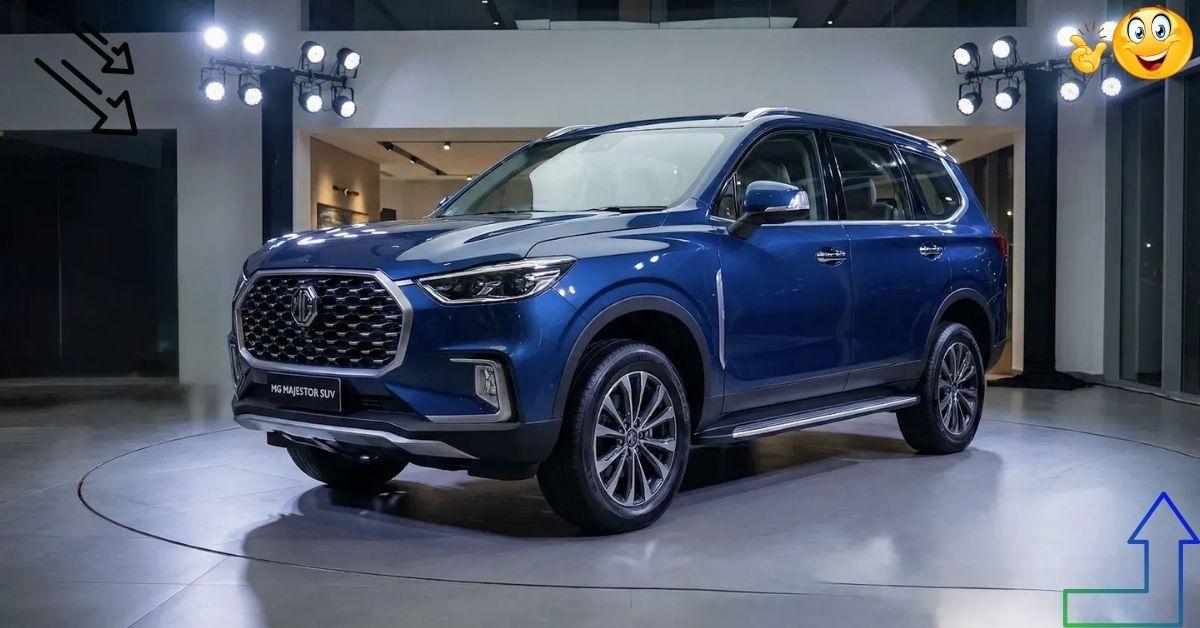
The Indian full-size SUV market has just witnessed a major disruption. JSW MG Motor India has officially taken the covers off its brand-new flagship SUV, the MG Majestor. Aimed directly at dominating the premium D+ segment, this massive vehicle brings advanced technology, serious off-roading hardware, and a highly luxurious cabin. If you are keeping an eye on the upcoming rivals to the Toyota Fortuner, here is everything you need to know about the MG Majestor.

What Happened: The Arrival of the MG Majestor

JSW MG Motor India recently showcased the MG Majestor, opening pre-bookings for a token amount of Rs 41,000. Touted as India’s first D+ segment SUV, the vehicle is designed to be the tallest, widest, and longest in its class. Measuring over five meters in length, it offers an imposing road presence that sets it apart from traditional rivals on the street.

The company has introduced the SUV in both six-seater and seven-seater configurations, spread across different variants like the Sharp and Savvy trims. Early buyers are also being offered a comprehensive peace-of-mind package that includes a five-year unlimited-kilometer warranty, five years of roadside assistance, and five labor-free services.

Check out more: Toyota Ebella

Key Details and Specifications

Under the hood, the MG Majestor is powered by a robust 2.0-litre twin-turbo diesel engine. This heavy-duty motor generates around 215 horsepower and a massive 478 Nm of torque, paired exclusively with an eight-speed automatic transmission. There is no petrol engine option available at this time.

For off-road enthusiasts, the 4×4 variants come heavily equipped. The SUV features a segment-first triple differential lock system, covering the front, center, and rear axles. It also includes an advanced all-terrain management system with ten distinct driving modes and an M-Crawl function that automatically manages braking and acceleration over tricky surfaces. The vehicle also boasts a water-wading capacity of 810 mm, making it highly capable in extreme weather and landscape conditions.

Inside the cabin, the Majestor focuses heavily on premium comfort. The interior features a dual-tone theme, a 12.3-inch touchscreen infotainment system, a digital driver display, and a massive panoramic sunroof. Comfort is further enhanced by ventilated front seats with massage functions, three-zone climate control, and a 12-speaker JBL sound system. Safety is strongly prioritized with six airbags, a 360-degree surround camera, and a complete Level 2 ADAS suite for advanced driver assistance.

Background: Replacing the MG Gloster

Initially, it was expected that the MG Majestor would sit above the existing MG Gloster in the company’s lineup. However, recent industry developments confirm that the Majestor will entirely replace the Gloster as the brand’s new flagship internal combustion engine SUV. The Gloster, which was launched in 2020 to rival the Toyota Fortuner and Ford Endeavour, saw initial success but gradually experienced a decline in monthly sales. The Majestor is essentially built on the Gloster’s underlying architecture but brings a completely refreshed design, larger dimensions, and significantly upgraded off-road hardware to rebuild MG’s brand perception in this premium category.

Why It Matters and Its Impact in India

The launch of the MG Majestor is a strategic move to capture the highly profitable full-size SUV segment in India. This space is currently dominated by the Toyota Fortuner, which enjoys massive brand loyalty and strong resale value. By offering class-leading dimensions, superior luxury features, and hardcore off-road capabilities at a competitive price point, MG is providing a very strong alternative for Indian buyers who want a rugged ladder-frame SUV without compromising on modern cabin technology and comfort.

What Happens Next: Pricing and Deliveries

While the SUV has been fully revealed and specifications are public, the official ex-showroom prices are scheduled to be announced in April 2026. Industry experts expect the MG Majestor to be priced between Rs 39 lakh and Rs 45 lakh. Test drives will commence at dealerships across India in April, giving potential buyers a chance to experience the vehicle’s road presence firsthand. Official sales and customer deliveries are slated to begin shortly after, in May 2026.

Frequently Asked Questions (FAQs)

What is the expected price of the MG Majestor in India?

The exact price will be announced in April 2026, but it is expected to range between Rs 39 lakh and Rs 45 lakh (ex-showroom).

Does the MG Majestor have a petrol engine option?

No, the MG Majestor is currently offered only with a 2.0-litre twin-turbo diesel engine mated to an eight-speed automatic transmission.

How big is the MG Majestor compared to its rivals?

The MG Majestor is exceptionally large. It measures 5,046 mm in length, making it the longest, widest, and tallest mass-market full-size SUV currently available in the Indian market.

Is the MG Majestor better at off-roading than the Gloster?

Yes, it comes with heavily upgraded off-road hardware, including ten terrain modes, a dedicated crawl function, and a segment-first triple differential lock system for improved off-road capability.

When will the deliveries for the MG Majestor start?

Customer deliveries for the MG Majestor are officially scheduled to begin in May 2026 across India.

Rolls-Royce Boat Tail

Rolls-Royce Boat Tail: The ₹200 Crore Car Explained

Imagine a car that costs more than a luxury villa in Mumbai, a private jet, and a helicopter combined. That is exactly what the Rolls-Royce Boat Tail is. It is not just a vehicle; it is a moving piece of art that has shocked the entire world with its price tag.

For car lovers in India, Rolls-Royce has always been the ultimate symbol of wealth. But the Boat Tail takes this to a level that is hard to believe. With a price tag estimated at around $28 million (approx. ₹230 to ₹250 Crores in India), it currently holds the title of one of the most expensive new cars ever sold in history.

Let’s dive deep into what makes this car so special and why it costs a fortune.

What is the Rolls-Royce Boat Tail?

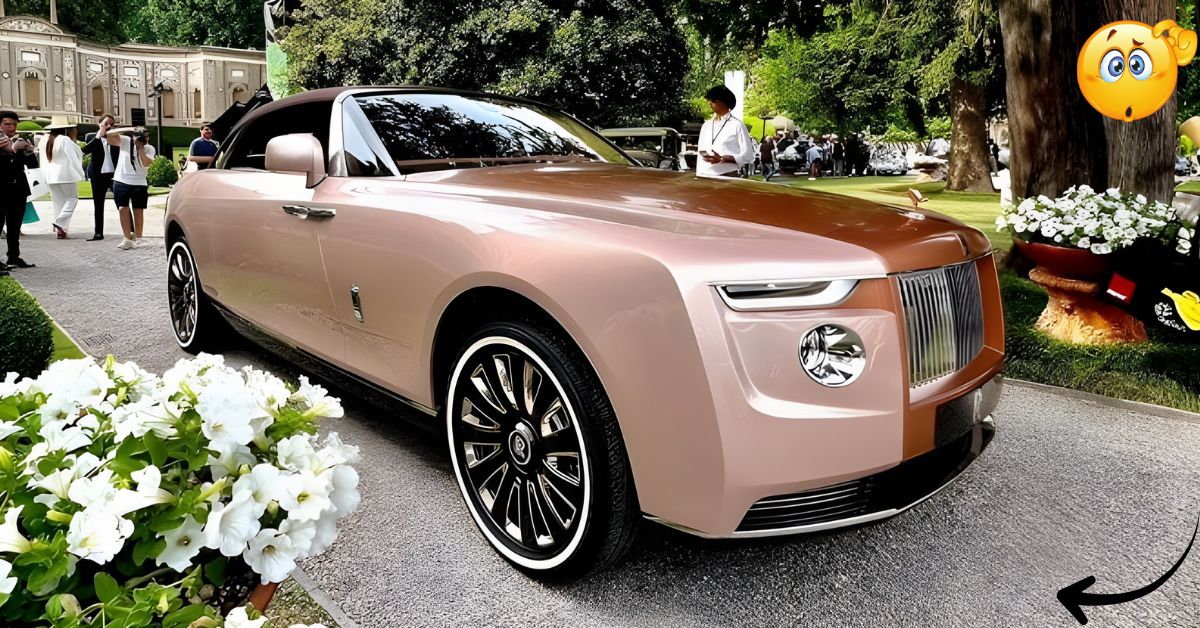
The Boat Tail is not a regular car that you can just walk into a showroom and buy. It is a “Coachbuilt” model. This means Rolls-Royce essentially revived an old tradition where the chassis (the base of the car) is standard, but the body and interior are 100% custom-made according to the buyer’s specific dreams.

Only three units of this car exist in the entire world. Yes, just three.

The design is inspired by J-class yachts. It looks like a luxury boat on wheels. It is nearly 5.8 meters long and has a sleek, flowing shape that mimics the hull of a ship. The creators at Rolls-Royce spent four years working with the buyers to design every single inch of this vehicle.

Read more: Bugatti Centodieci

Why Is It So Expensive?

You might wonder, “It’s just a car, why does it cost ₹200 Crores?” The answer lies in the details.

1. Hand-Built Perfection: Unlike modern cars built by robots on an assembly line, the Boat Tail was hammered and shaped by hand. The aluminium body panels were manually crafted by skilled artisans, which takes thousands of hours.

2. The Rear “Hosting Suite”: The most talked-about feature is the back of the car. It does not have a normal boot or trunk. Instead, with the press of a button, the wooden rear deck opens up like the wings of a butterfly. Inside, it reveals a full “hosting suite.”

This suite includes a refrigerator capable of cooling champagne to precisely 6 degrees, expensive crystal glassware, silver cutlery, and even porcelain plates. It also has a parasol (a fancy umbrella) that pops up to provide shade while you enjoy a picnic next to your ₹200 Crore car.

3. Unique Timepieces: The dashboard features a custom clock made by BOVET 1822, a luxury Swiss watchmaker. These aren’t just dashboard clocks; they can be removed and worn as wristwatches by the owners.

Engine and Performance

While the luxury is the main focus, the power is also massive. The Boat Tail is powered by the same engine found in the Rolls-Royce Phantom—a 6.75-litre twin-turbo V12 engine. It produces around 563 horsepower.

However, this car is not built for racing. It is built for “waftability”—a term Rolls-Royce uses to describe the feeling of floating on the road without feeling any bumps or noise.

Who Owns These Cars?

Since only three were made, the owners are very secretive. However, strong reports and rumors suggest that the first unit (which is blue) belongs to the music power couple Jay-Z and Beyoncé. The car features many details that match their personal preferences, including a specific shade of blue and a refrigerator designed for their favorite champagne brand.

The second unit was reportedly sold to a business tycoon whose family business is in the pearl industry. The car’s paint actually changes colour slightly depending on the sunlight, mimicking a pearl. The owner of the third unit remains a mystery.

The Indian Perspective

As of now, there is no confirmed Indian owner of the Rolls-Royce Boat Tail. While India is home to billionaires like Mukesh Ambani and Gautam Adani, who own impressive car collections, this specific model is extremely rare.

If someone were to import this car to India, the cost would be astronomical. With India’s import duties on luxury cars (which is roughly 100% or more), the final price could easily cross ₹400 Crores to ₹500 Crores. For that amount, one could buy dozens of Rolls-Royce Phantoms or Cullinans.

What’s Next for Rolls-Royce?

The Boat Tail has proven that there are people in the world willing to pay any amount for exclusivity. Following this success, Rolls-Royce has continued its “Coachbuild” program, recently launching the Droptail, which is another ultra-limited series. These cars are not just vehicles; they are investment assets that will likely increase in value over time.

Frequently Asked Questions (FAQs)

1. What is the price of Rolls-Royce Boat Tail in Indian Rupees?

The estimated price is around ₹230 to ₹250 Crores, depending on exchange rates. If imported to India with taxes, it could cost double that amount.

2. How many Rolls-Royce Boat Tails are there in the world?

There are only three units of the Rolls-Royce Boat Tail in the entire world.

3. Does Mukesh Ambani own a Rolls-Royce Boat Tail?

No, there is no official report of Mukesh Ambani owning a Boat Tail. However, he owns several other Rolls-Royce models like the Cullinan and Phantom.

4. What is special about the back of the Boat Tail?

The back opens like butterfly wings to reveal a luxury picnic set, including a fridge, glasses, tables, and a sunshade.

5. Is the Rolls-Royce Boat Tail the most expensive car in the world?

It was the most expensive new car when it launched. However, the recently launched Rolls-Royce Droptail is rumoured to be even more expensive, close to $30 million.

Bugatti Centodieci

Bugatti Centodieci: The ₹75 Crore Hypercar Owned by Cristiano Ronaldo

Imagine a car that costs more than a luxury villa in Mumbai and is faster than a high-speed train. That is the Bugatti Centodieci. This car is currently trending because it is one of the rarest and most expensive cars in the world. Only 10 people on the entire planet own one!

The Centodieci is not just a car; it is a piece of history. Famous football star Cristiano Ronaldo is one of the lucky few who has this beast in his garage. But what makes this car so special? How fast can it go? And if you wanted to buy one in India, how much would you have to pay?

Here is everything you need to know about the Bugatti Centodieci in simple English.

Why is the Bugatti Centodieci So Special?

The name “Centodieci” (pronounced Chen-to-dee-ay-chee) is Italian for the number 110. Bugatti made this car to celebrate its 110th birthday.

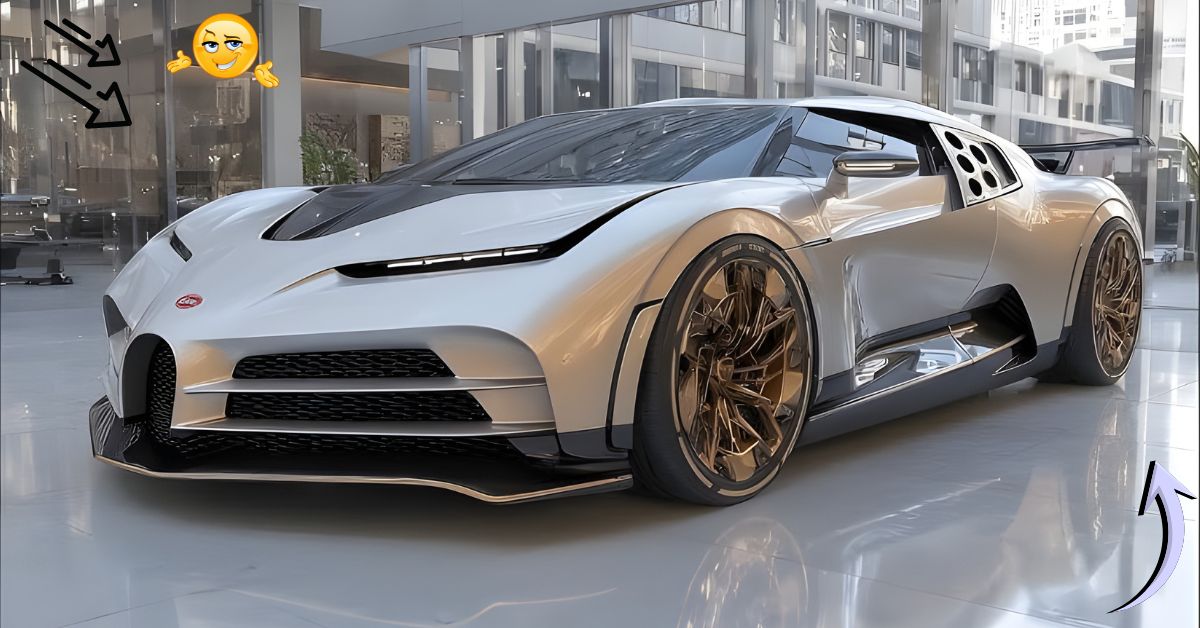
It is also a tribute to an older car called the Bugatti EB110, which was famous in the 1990s. If you look at the Centodieci, it looks a bit like the old EB110 but with a modern, futuristic design. It has a special “horseshoe” grille in the front and five round air holes on the side that make it look unique.

Because Bugatti only made 10 units of this car, it is an “ultra-limited edition.” This rarity is the main reason why the price is so high.

Check out more: Lamborghini Urus SE 

Bugatti Centodieci Price in India

This is the part that shocks everyone. The official price of the Bugatti Centodieci is around 8 Million Euros.

If we convert that directly to Indian Rupees, it is approximately ₹75 Crore.

However, if someone wanted to import this car to India, the price would be much higher due to taxes. India charges a high customs duty (tax) on imported luxury cars (over 100%).

  • Base Price: ₹75 Crore
  • Import Duties & Taxes: Approx. ₹80–90 Crore
  • Total Estimated Price in India: Over ₹160 Crore

Currently, no one in India owns a Bugatti Centodieci. It is extremely rare, and most of them are in Europe or the Middle East.

Engine and Speed: How Fast is It?

The Bugatti Centodieci is a monster on the road. It uses the famous W16 engine, which is like joining two V8 engines together.

Here are the simple specs:

  • Engine Power: 1,600 Horsepower (This is equal to about 15 Honda City cars combined!)
  • 0 to 100 km/h: It takes just 2.4 seconds. By the time you read this sentence, the car is already flying.
  • Top Speed: It is electronically limited to 380 km/h.
  • Weight: It is 20 kg lighter than the Bugatti Chiron, making it handle better on turns.

Who Owns the Bugatti Centodieci?

Since there are only 10 of these cars in the world, the list of owners is very exclusive. The most famous owner is football legend Cristiano Ronaldo.

Ronaldo reportedly bought this car to celebrate winning a football championship. His car is white with a red interior. He has been spotted driving it in Madrid, Spain. Because a star like Ronaldo owns it, the car has become even more famous on social media.

Can You Buy One Now?

Unfortunately, you cannot buy a new Bugatti Centodieci anymore.

  1. Sold Out: All 10 units were sold even before the car was shown to the public.
  2. Delivery Complete: Bugatti finished making and delivering all 10 cars by the end of 2022.

If you want one today, you would have to wait for one of the 10 owners to sell theirs. If that happens, the price will likely be even higher than ₹75 Crore because it is now a collector’s item.

Frequently Asked Questions (FAQs)

1. What is the price of Bugatti Centodieci in rupees?

The direct price is around ₹75 Crore. However, with Indian import taxes, it would cost over ₹150 Crore.

2. Does Cristiano Ronaldo own a Bugatti Centodieci?

Yes, Cristiano Ronaldo owns a white Bugatti Centodieci. He is one of only 10 people in the world to have one.

3. How many Bugatti Centodieci cars are there?

Bugatti made only 10 units of the Centodieci, making it one of the rarest cars ever built.

4. Which is the most expensive car in the world?

While the Centodieci is very expensive, the Rolls-Royce La Rose Noire Droptail (approx. ₹250 Crore) is currently considered the most expensive new car.

5. Is Bugatti Centodieci available in India?

No, currently there is no Bugatti Centodieci in India.

Lamborghini Urus SE

Lamborghini Urus SE Review: Why India’s Rich Are Waiting 1 Year for This SUV

The Lamborghini Urus has officially become the “King of Super SUVs” in India. Fresh reports from early 2026 show that while the overall luxury car market faced some challenges last year, the demand for the Urus has only gone up.

In January 2026, Lamborghini India released its annual sales data. Even though the total number of cars sold dipped slightly to 111 units in 2025 (compared to 113 in 2024), the Urus SUV segment saw a massive 17% growth. This proves one clear trend: India’s ultra-rich prefer the practicality of a high-performance SUV over low-slung sports cars.

This article covers why the new Lamborghini Urus SE (Hybrid) is trending, which celebrities recently bought one, and what makes this car so special for Indian roads.

The New Star: Lamborghini Urus SE (Hybrid)

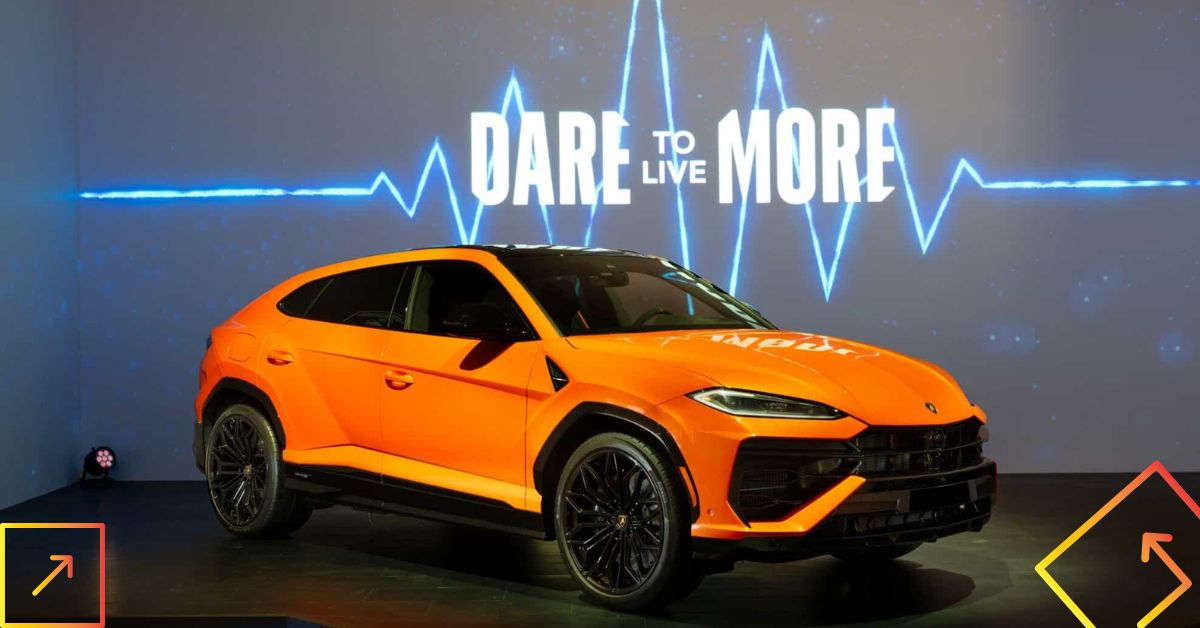
The biggest reason for the renewed buzz is the arrival of the Urus SE. Launched in India in August 2024 at a starting price of ₹4.57 Crore (ex-showroom), this is the first Plug-in Hybrid Electric Vehicle (PHEV) version of the SUV.

Read more: Audi A5 

What makes the Urus SE special?

  • Dual Power: It combines a powerful 4.0-liter twin-turbo V8 engine with an electric motor.
  • Insane Speed: Together, they produce a massive 800 HP and 950 Nm of torque. It can go from 0 to 100 km/h in just 3.4 seconds.
  • Electric Mode: You can actually drive this beast in “Silent Mode” (electric-only) for about 60 km. This is perfect for sneaking out of a quiet neighborhood early in the morning!

Why Is the Urus So Popular in India?

You might wonder why a ₹4.5 Crore car is selling so fast that there is a 12-month waiting period. The answer lies in India’s unique road conditions.

Traditional supercars like the Lamborghini Huracán or Ferrari 296 GTB have very low ground clearance. They struggle with India’s massive speed breakers and potholes.

The Urus solves this problem completely. It offers the speed of a supercar but the height and comfort of a luxury SUV. It can handle Mumbai’s traffic, Bengaluru’s speed bumps, and Delhi’s highways with equal ease. This “dual personality” makes it the most practical supercar for Indian families.

Celebrity Owners: Who Bought the Urus Recently?

In India, a car becomes a trend when cricket stars and Bollywood actors start driving it. The Urus has a long list of famous owners.

The First Indian Owner of Urus SE

In mid-2025, popular actor Ram Kapoor made headlines by becoming the first Indian celebrity to take delivery of the new Lamborghini Urus SE. He chose a stunning matte olive green color (Verde Gea) with orange interior accents.

Other Famous Owners

  • Hardik Pandya: The cricket star was seen with a new Urus SE in late 2025, adding to his collection of luxury cars.
  • Rohit Sharma: The Indian captain has been a long-time fan of the Urus and reportedly upgraded his collection with the newer model.
  • Ranveer Singh & Kartik Aaryan: Both Bollywood stars own older versions of the Urus (Urus Pearl Capsule and Urus S).

Price and Buying Guide (2026)

If you are planning to buy one today, here is what you need to know about the cost.

  • Ex-Showroom Price: ₹4.57 Crore
  • On-Road Price (approx): ₹5.20 Crore to ₹5.50 Crore (depending on state taxes and insurance).
  • Customization: Lamborghini offers an “Ad Personam” program. This means you can choose custom paint, leather stitching, and carbon fiber parts. However, these options can easily add another ₹50 Lakh to ₹1 Crore to the final bill.

Waiting Period: Due to high global demand, if you book a Lamborghini Urus SE today, you might not get delivery until late 2026 or early 2027.

Frequently Asked Questions (FAQs)

1. What is the mileage of the Lamborghini Urus SE?

Since the Urus SE is a hybrid, it offers better fuel efficiency than the older petrol-only models. You can expect around 7–10 km/l if driven carefully, plus it has an electric-only range of 60 km.

2. Is the Lamborghini Urus good for Indian roads?

Yes, it is considered the best supercar for India. It has adjustable air suspension that can raise the car’s height to clear large speed breakers without scraping the bottom.

3. What is the top speed of the Urus SE?

The Lamborghini Urus SE can reach a top speed of 312 km/h.

4. How much is the road tax for a Lamborghini Urus in India?

Road tax varies by state, but it is usually around 10% to 20% of the car’s value. For a Urus, you will likely pay between ₹45 Lakh to ₹90 Lakh just as registration tax.

5. Is the older Urus Performante still available?

No, Lamborghini has replaced the older Urus S and Performante models with the new Urus SE Hybrid.

Toyota Ebella

Toyota Ebella: Range, Price, and Features of Toyota’s New EV

The wait is over for Toyota fans in India. Toyota Kirloskar Motor has officially taken a giant leap into the electric vehicle (EV) market. The company has unveiled its first-ever mass-market electric SUV for India, named the Toyota Urban Cruiser Ebella.

For years, Indian buyers have trusted Toyota for reliable diesel SUVs and efficient hybrids. Now, the Japanese giant is ready to challenge Tata, MG, and Hyundai in the pure electric race. The Ebella promises to combine Toyota’s legendary durability with modern electric technology.

Here is everything you need to know about the new Toyota Ebella, its range, features, and expected price.

What is the Toyota Ebella?

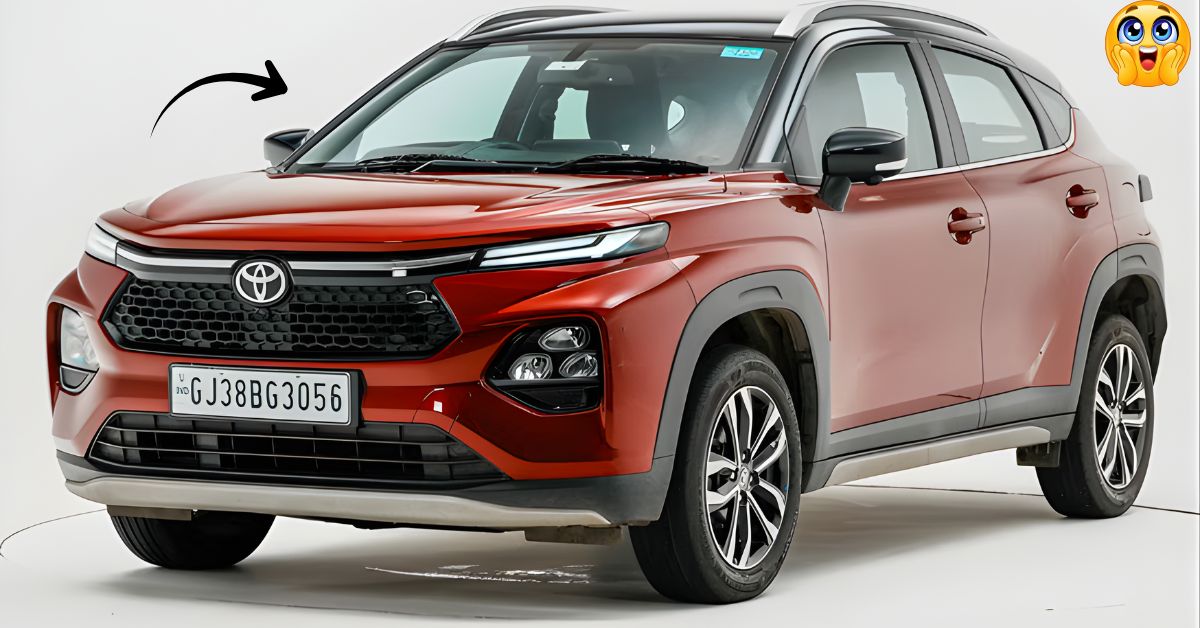
The Toyota Urban Cruiser Ebella is a mid-size electric SUV. If it looks familiar, that is because it is based on the same platform as the Maruti Suzuki e Vitara. Toyota and Suzuki are global partners, and they often share technology. However, the Ebella is not just a copy-paste job.

Toyota has given the Ebella a unique look to match its own “Urban Tech” design philosophy. It features a sharp front design called the “Hammerhead” look, which makes it appear aggressive and futuristic. It stands out from the Maruti version with different LED lights, bumpers, and alloy wheels.

Check out more: Skoda Superb 2026 

Battery, Power, and Range

The most important part of an electric car is the battery. Toyota knows this and is offering two battery options to suit different needs and budgets.

Two Battery Options

  • 49 kWh Battery: This is the smaller battery pack. It is great for city driving and offers a claimed range of around 440 km on a full charge.
  • 61 kWh Battery: This is the larger, long-range option. It offers an impressive ARAI-certified range of 543 km. This version is perfect for highway trips and weekend getaways.

Performance

The Ebella is expected to be a smooth performer. The larger battery version produces around 172 bhp and 189 Nm of torque. It comes with a Front-Wheel Drive (FWD) system. While it is not a sports car, it has enough power for quick overtakes in Indian traffic.

Interior and Top Features

Inside, the Toyota Ebella feels premium and modern. It is designed to be comfortable for five passengers.

  • Dual Screens: The dashboard has a modern look with two large screens. There is a 10.25-inch touchscreen for music and maps, and a 10.1-inch digital display for the driver.
  • Comfort: It comes with ventilated front seats, which are a blessing for Indian summers.
  • Sunroof: A large panoramic glass roof makes the cabin feel airy and spacious.
  • Sound System: Music lovers will enjoy the premium JBL audio system.
  • Safety: Toyota has packed the Ebella with safety tech. It gets Level 2 ADAS (Advanced Driver Assistance Systems), a 360-degree camera, and multiple airbags as standard.

Expected Price and Rivals

Toyota has not announced the final price yet, but experts have a good estimate. The launch is expected around February 21, 2026.

  • Estimated Price: ₹16 Lakh to ₹21 Lakh (ex-showroom).

At this price point, the Toyota Ebella enters a very hot market. It will directly compete with:

  1. Hyundai Creta EV: The electric version of India’s favorite SUV.
  2. Tata Curvv EV: Known for its stylish coupe design.
  3. MG ZS EV: A well-established player in the EV space.
  4. Maruti e Vitara: Its own sibling and platform partner.

Why Does This Launch Matter?

This launch is significant for the Indian auto industry. Until now, Toyota focused heavily on Hybrids (like the Hyryder and Innova Hycross). By launching the Ebella, Toyota is sending a message that it is serious about pure electric cars too.

For Indian buyers, this is great news. Many people hesitated to buy EVs because they were worried about reliability and service. With Toyota entering the game, that trust factor increases. A Toyota EV means peace of mind regarding service, spare parts, and resale value.

What Happens Next?

The official launch is just around the corner. Bookings are expected to open soon at Toyota dealerships across India. If you are planning to buy a mid-size SUV in 2026, it might be worth waiting a few days to test drive the Ebella.

Frequently Asked Questions (FAQs)

1. What is the real-world range of the Toyota Ebella?

While the official ARAI range is 543 km for the top model, the real-world range in city traffic with AC on will likely be around 350 km to 400 km.

2. Is the Toyota Ebella the same as the Maruti e Vitara?

They share the same battery, motor, and platform. However, the Ebella has different exterior styling, Toyota badging, and likely a different warranty package.

3. Does the Toyota Ebella have a sunroof?

Yes, the higher variants of the Toyota Ebella come with a panoramic glass roof.

4. When will the Toyota Ebella launch in India?

The car has been unveiled, and the official market launch with price announcement is expected around February 21, 2026.

5. What is the expected price of the Toyota Ebella?

The price is expected to start from ₹16 Lakh for the base model and go up to ₹21 Lakh for the top model.

MG Cyberster

MG Cyberster India Review: Price, Range & Top Features Explained

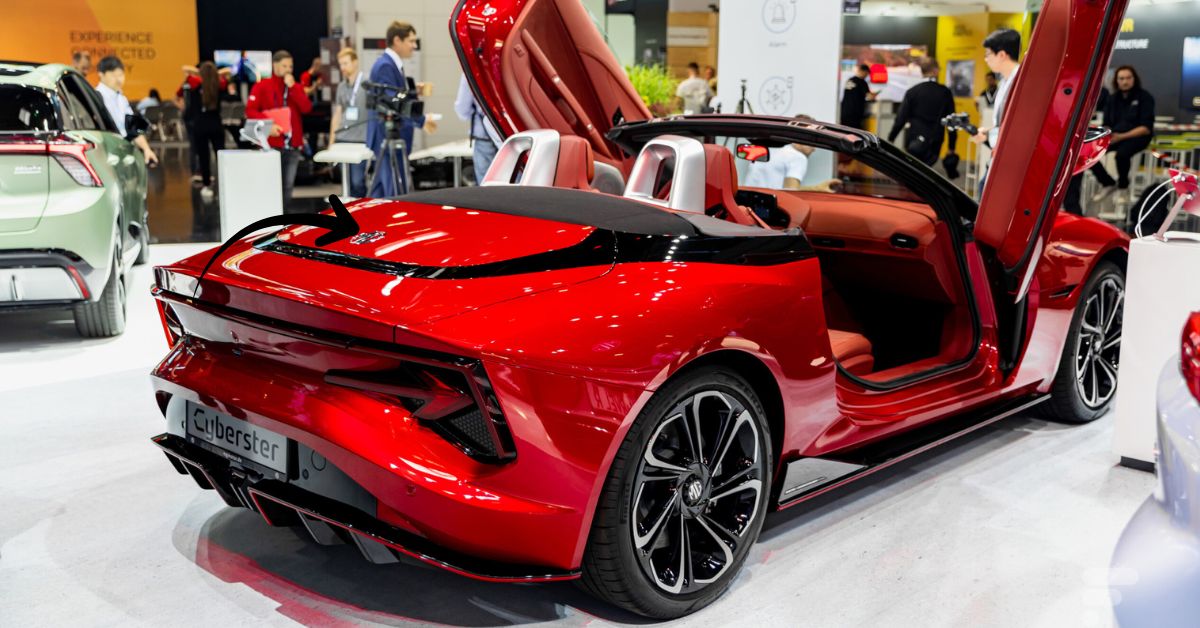
Imagine a car that looks like a supercar, opens its doors like a Lamborghini, but runs completely on electricity. That is exactly what the MG Cyberster offers. After making waves globally, this all-electric convertible sports car has grabbed the attention of Indian car lovers.

It is not just about looks; the Cyberster is a beast on the road. With a 0 to 100 km/h time of just 3.2 seconds, it is faster than many luxury cars that cost twice as much. For Indian buyers looking for a unique “weekend car” that turns heads at every traffic signal, this might be the perfect choice.

In this article, we will cover the latest price of the MG Cyberster in India, its real-world range, top features, and why it is trending in the Indian auto market.

MG Cyberster Price in India & Availability

The MG Cyberster is positioned as a premium offering and is sold exclusively through the new “MG Select” luxury dealerships.

  • Ex-Showroom Price: Approximately ₹74.99 Lakh.
  • On-Road Price (Estimated): Between ₹79 Lakh to ₹85 Lakh (depending on your state’s EV policies and insurance).

Initially, MG offered a slightly lower price for early bird bookings, but for new buyers in 2026, the price holds steady around the ₹75 Lakh mark. While this sounds expensive, it is actually the most “affordable” convertible sports car in India. Its closest petrol rival, the BMW Z4, costs significantly more.

Read more: Toyota Urban Cruiser 

Design: Scissor Doors & Soft Top Roof

The biggest talking point of the MG Cyberster is its design. It brings back the classic “roadster” style—a two-seater car with a long bonnet and a short rear.

  • Scissor Doors: The doors open upwards electrically. This is a feature usually found in supercars costing crores. You can open them with the press of a button.
  • Convertible Roof: It comes with a soft-top roof that can open or close in just 10 seconds, even while driving at speeds up to 50 km/h.
  • Dimensions: It is a wide and low car, giving it a planted, sporty stance on the road. It rides on large 20-inch alloy wheels that complete the aggressive look.

Performance: 0-100 Speed & Battery

Under the hood (or rather, under the floor), the MG Cyberster packs serious power. India gets the top-spec version, which means you get maximum performance.

  • Battery Pack: 77 kWh battery.
  • Power: Dual motors (AWD) producing roughly 503 bhp and 725 Nm of torque.
  • Acceleration: It sprints from 0 to 100 km/h in just 3.2 seconds.
  • Driving Modes: It features multiple modes including a “Super Sport” mode for maximum power.

What is the Range?

Speed is great, but what about mileage? The MG Cyberster claims a range of 580 km (CLTC cycle) on a single charge. In Indian real-world driving conditions, you can expect a practical range of around 400 to 450 km, which is sufficient for city drives and weekend getaways.

Interior: A Fighter Jet Cockpit?

Step inside, and the car feels like a gadget lover’s dream. The driver’s seat is designed to feel like a cockpit.

  • Triple Screen Setup: Instead of one big screen, there are three curved screens wrapping around the driver. This displays speed, maps, and entertainment info.
  • Premium Materials: The cabin uses Nappa leather and soft-touch materials, giving it a true luxury feel.
  • Features: It comes loaded with a Bose audio system, ventilated seats (great for Indian summers), and Level 2 ADAS (Advanced Driver Assistance Systems) for safety.

Is the MG Cyberster Practical for India?

If you are planning to buy this as your primary family car, the answer is no. It is a two-seater with limited boot space (enough for a couple of gym bags or a small suitcase).

However, as a second car or a lifestyle statement, it has no direct competition. It offers the thrill of a sports car with the low running costs of an EV. The ground clearance is decent for a sports car, but you will still need to be careful over large speed breakers.

Frequently Asked Questions (FAQs)

1. What is the on-road price of MG Cyberster in India?

The on-road price is approximately ₹79 Lakh to ₹85 Lakh, depending on the state taxes and insurance costs in your city.

2. Is the MG Cyberster a convertible?

While the claimed range is 580 km, you can expect a real-world driving range of 400-450 km on a full charge.

3. What is the real range of the MG Cyberster?

While the claimed range is 580 km, you can expect a real-world driving range of 400-450 km on a full charge.

4. Does it have a spare tyre?

Like most sports cars and modern EVs, the MG Cyberster usually comes with a puncture repair kit instead of a full-size spare tyre to save weight and space.

5. How fast can the MG Cyberster charge?

It supports DC fast charging. With a 150 kW charger, it can charge from 10% to 80% in about 40 minutes.

Jeep Grand Cherokee

Jeep Grand Cherokee Gets Massive ₹4 Lakh Discount in February 2026

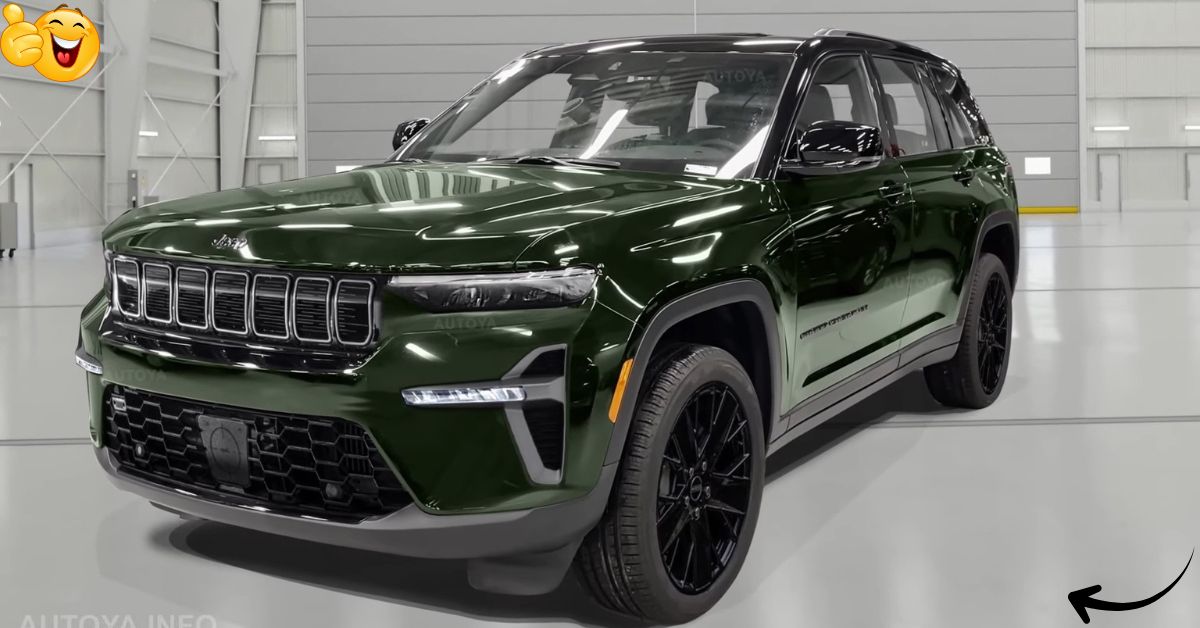
If you have been planning to buy a luxury SUV, this might be the best time. Jeep India has announced massive benefits on its flagship model, the Grand Cherokee, for February 2026.

Jeep is known for its tough, off-road capable SUVs. To boost sales this month, the company is offering heavy discounts across its entire range, including the Compass and Meridian. However, the biggest saving is available on the Jeep Grand Cherokee, with benefits going up to ₹4 lakh.

Here is everything you need to know about this offer, the SUV’s features, and whether you should buy it now or wait for the new model.

What is the Offer?

For February 2026, Jeep India is offering total benefits worth up to ₹4 lakh on the Grand Cherokee.

While the exact breakup (cash discount vs. exchange bonus) varies by dealership and city, the package typically includes:

  • Cash Discounts: A direct reduction in the price.
  • Corporate Offers: Special rates for select corporate employees.
  • Jeep Wave Exclusive Program: Buyers get complimentary access to Jeep’s premium ownership program. This includes perks like express service, a 3-year warranty, and special concierge services.

Note: These offers are valid only until the end of February 2026 and depend on stock availability.

Read more: Toyota Ebella

Why is Jeep Offering Such Big Discounts?

There are a few likely reasons for this price drop:

  1. Clearing Stock: Jeep might be looking to clear 2024 and early 2025 inventory.
  2. Slow Sales: The Grand Cherokee competes with giants like the Mercedes-Benz GLE, BMW X5, and Audi Q7. Despite being a capable car, its sales numbers in India have been lower than its German rivals.
  3. Market Competition: With competitors launching updated models, Jeep needs to keep its pricing attractive to pull in buyers.

Jeep Grand Cherokee: Key Features & Specs

Currently, the Grand Cherokee is sold in India in a single fully-loaded variant called the Limited (O). It is assembled locally in India to keep taxes lower than fully imported cars.

FeatureDetails
Engine2.0-Litre Turbo Petrol
Power272 HP
Torque400 Nm
Transmission8-Speed Automatic (Torque Converter)
DrivetrainQuadra-Trac I 4×4 System (All-Wheel Drive)
Price (Ex-Showroom)Starts approx. ₹67.50 Lakh (before discount)

Top Features

  • ADAS (Advanced Driver Assistance Systems): Includes blind-spot monitoring, active lane management, and collision warning.
  • Screens: It has a unique 10.25-inch passenger screen (for the co-driver), a 10.1-inch main touchscreen, and a digital driver display.
  • Luxury: Capri leather seats, a panoramic sunroof, and a premium 9-speaker sound system.

Should You Buy Now or Wait for the 2026 Facelift?

Jeep has unveiled a 2026 facelift globally (released late 2025 in the US). This new model features a more powerful “Hurricane” engine and subtle design tweaks.

However, Jeep India has not confirmed a launch date for this facelift yet. It is unlikely to arrive in India immediately. If it does come, it will likely be more expensive than the current model.

  • Buy Now If: You want a great value-for-money luxury SUV and want to save ₹4 lakh immediately. The current model is still very modern and capable.
  • Wait If: You absolutely need the latest engine technology and don’t mind paying a higher price later.

Conclusion: Is It Worth It?

The Jeep Grand Cherokee is often underrated. It offers genuine off-road capability that many luxury SUVs lack. With the ₹4 lakh discount, the on-road price becomes much more competitive against the BMW X3 or Audi Q5. If you love American SUVs and road presence, this deal is worth visiting a showroom for.

Frequently Asked Questions (FAQs)

1. Is the Jeep Grand Cherokee discontinued in India?

No, it is not discontinued. It is currently available for sale. Rumors of discontinuation mostly apply to the smaller “Cherokee” model in other countries, not the “Grand Cherokee” sold in India.

2. What is the waiting period for the Grand Cherokee?

Since the sales volume is not very high, the waiting period is usually short. Many dealers might have the car in stock for immediate delivery.

3. Does the India model have a diesel engine?

No. In India, the Grand Cherokee is only available with a 2.0-litre Turbo Petrol engine. There is no diesel option.

4. Is the maintenance cost high?

As a premium luxury SUV, maintenance is higher than budget cars but generally lower than imported German rivals because it is assembled in India. The “Jeep Wave” program also helps cover some service costs.

5. Which cars compete with the Grand Cherokee?

Its main rivals in India are the Mercedes-Benz GLE, BMW X5, Audi Q7, Volvo XC90, and Land Rover Discovery Sport.

Mahindra Scorpio N

Mahindra Scorpio N 2026 Facelift Spotted: ADAS, Ventilated Seats & Launch Details

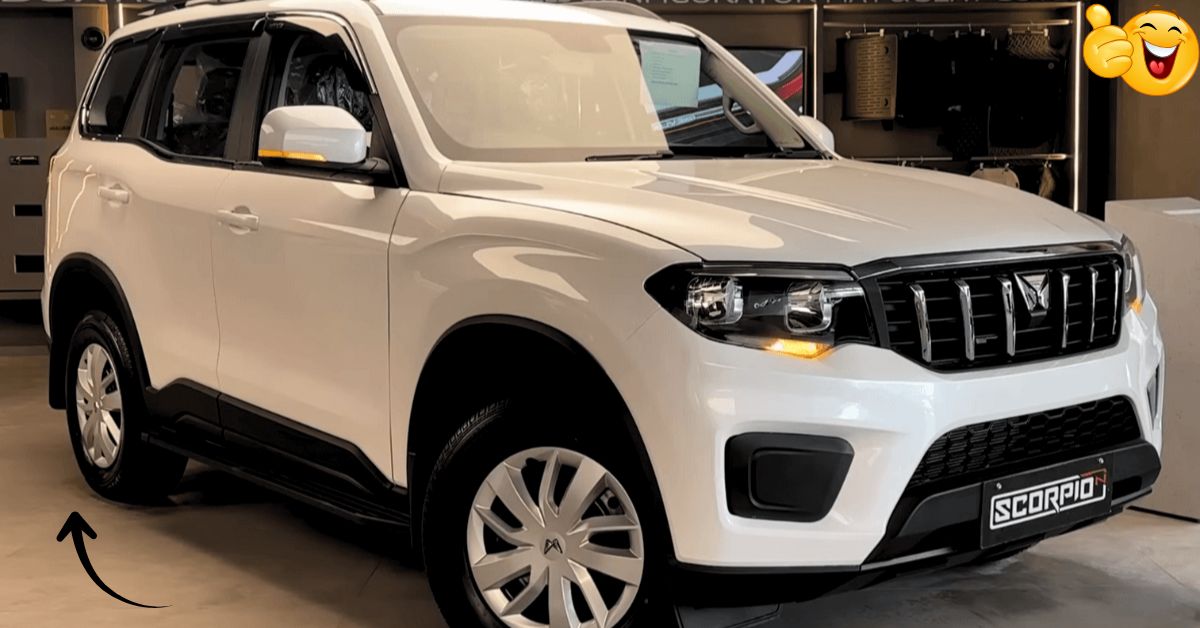
The “Big Daddy of SUVs” is getting a makeover. Since its launch in 2022, the Mahindra Scorpio N has ruled the Indian roads with its muscular looks and powerful engines. However, with rivals like the Tata Safari and Mahindra’s own XUV700 offering more tech, the Scorpio N was missing a few modern features.

Now, spy shots and leaked reports confirm that Mahindra is working on a 2026 Facelift for the Scorpio N. The updated SUV has been spotted testing, and it looks like Mahindra is fixing the biggest complaints from buyers—adding ventilated seats, a better screen, and advanced safety tech.

Here is everything you need to know about the upcoming Mahindra Scorpio N 2026 update.

Exterior: Subtle but Sharper Changes

Unlike a full generation change, this is a “facelift,” so the overall shape of the car will remain the same. Mahindra is not messing with the boxy, tall stance that people love.

  • New Front Grille: Spy shots suggest a slightly redesigned grille. It may feature a honeycomb pattern or updated vertical slats to look fresher.
  • Updated Bumpers: The front and rear bumpers will get minor design tweaks to look sportier.
  • New Alloy Wheels: The 2026 model is expected to come with a new 18-inch diamond-cut alloy wheel design (likely a 5-spoke pattern).
  • Lighting: The LED projector headlamps and the signature “scorpion tail” DRLs will likely stay, but the tail lamps might get a new LED signature.

Read more: Toyota Urban Cruiser 

Interior: The Biggest Upgrades Are Here

The current Scorpio N feels tough but lacks the premium tech found in the XUV700 or Tata Safari. The 2026 update focuses heavily on the cabin.

  • Larger Touchscreen: The old 8-inch screen is expected to be replaced by a larger 10.25-inch infotainment screen. This will likely be the same crisp unit seen in the XUV700 and the new Thar Roxx.
  • Digital Instrument Cluster: The semi-digital meters are going away. A fully digital driver’s display (10.25-inch) is expected in the top variants (Z8 and Z8L).
  • Ventilated Seats: This is the most requested feature. The 2026 Scorpio N is highly likely to get front ventilated seats, a must-have for Indian summers.
  • Auto-Dimming IRVM: A small but useful feature that was missing in the current model will finally be added.

Safety: ADAS Level 2 and 360-Degree Camera

Safety is a big priority for Mahindra. The current Scorpio N already has a 5-star Global NCAP rating, but the facelift will take it a step further.

  • Level 2 ADAS: Reports suggest the new Scorpio N will get Advanced Driver Assistance Systems (ADAS). This includes features like Adaptive Cruise Control, Automatic Emergency Braking, and Lane Keep Assist.
  • 360-Degree Camera: Parking this massive SUV will become easier. Test mules have been spotted with cameras on the wing mirrors, confirming a 360-degree surround-view system.

Engine and Performance: Unchanged Power

Mahindra knows that the Scorpio N’s engines are its biggest strength. The 2026 facelift will likely carry forward the same powerful options:

  • 2.0L Turbo Petrol: 200 BHP and 380 Nm torque.
  • 2.2L Diesel (mHawk): 172 BHP and 400 Nm torque.
  • Transmission: Both engines will come with 6-speed Manual and 6-speed Automatic gearboxes.
  • 4×4 Hardware: The ‘4XPLOR’ terrain management system will continue to be available on diesel variants, keeping its off-road capabilities intact.

Expected Launch Date and Price

  • Launch Timeline: Industry sources expect the Mahindra Scorpio N Facelift to launch by mid-2026 (likely around August).
  • Price Hike: With the addition of ADAS, ventilated seats, and bigger screens, prices will go up. Expect a price hike of ₹60,000 to ₹1 Lakh depending on the variant.

Frequently Asked Questions (FAQs)

1. When is the Mahindra Scorpio N facelift launching in India?

The facelift is expected to launch in the second half of 2026, possibly around August.

2. Will the 2026 Scorpio N get a panoramic sunroof?

There are rumors about a panoramic sunroof, but it is difficult to fit one on the Scorpio N because of its roof-mounted AC vents. It is more likely to retain the standard single-pane sunroof.

3. Does the new Scorpio N have better mileage?

The engine and gearbox are remaining the same, so the mileage (fuel efficiency) will likely remain similar to the current model (around 10-14 kmpl depending on driving conditions).

4. What is the current waiting period for the Scorpio N?

As of early 2026, the waiting period has reduced significantly. Most variants are available within 1–2 months, though Z8L 4×4 models may take up to 3 months.

5. Is the Scorpio N available in Petrol 4×4?

No, Mahindra only offers the 4×4 (4WD) system with the Diesel engine options. The Petrol version is rear-wheel drive (RWD) only.

WhatsApp Channel
Compare (0)