Only COD || Advance में ₹1 भी नहीं देना है
Tecno Spark Go 3

Tecno Spark Go 3 Review: The Best Rugged Phone Under ₹9,000?

Let’s be real for a second. The sub-₹10,000 smartphone market in India is a mess right now. Most brands are giving you 5G but cutting corners on everything else—terrible screens, plastic that feels like a toy, and cameras that struggle to focus.

Enter the Tecno Spark Go 3.

Launched yesterday (January 16, 2026), this phone isn’t trying to be a “gaming beast.” Instead, Tecno is pitching it as a “Desh Jaisa Dumdaar” (Strong like the Country) phone. It claims to be durable, splash-resistant (IP64), and smooth (120Hz). But at ₹8,999, is it actually good, or is it just another budget brick?

I’ve spent 24 hours with the device, and here is the unfiltered truth.
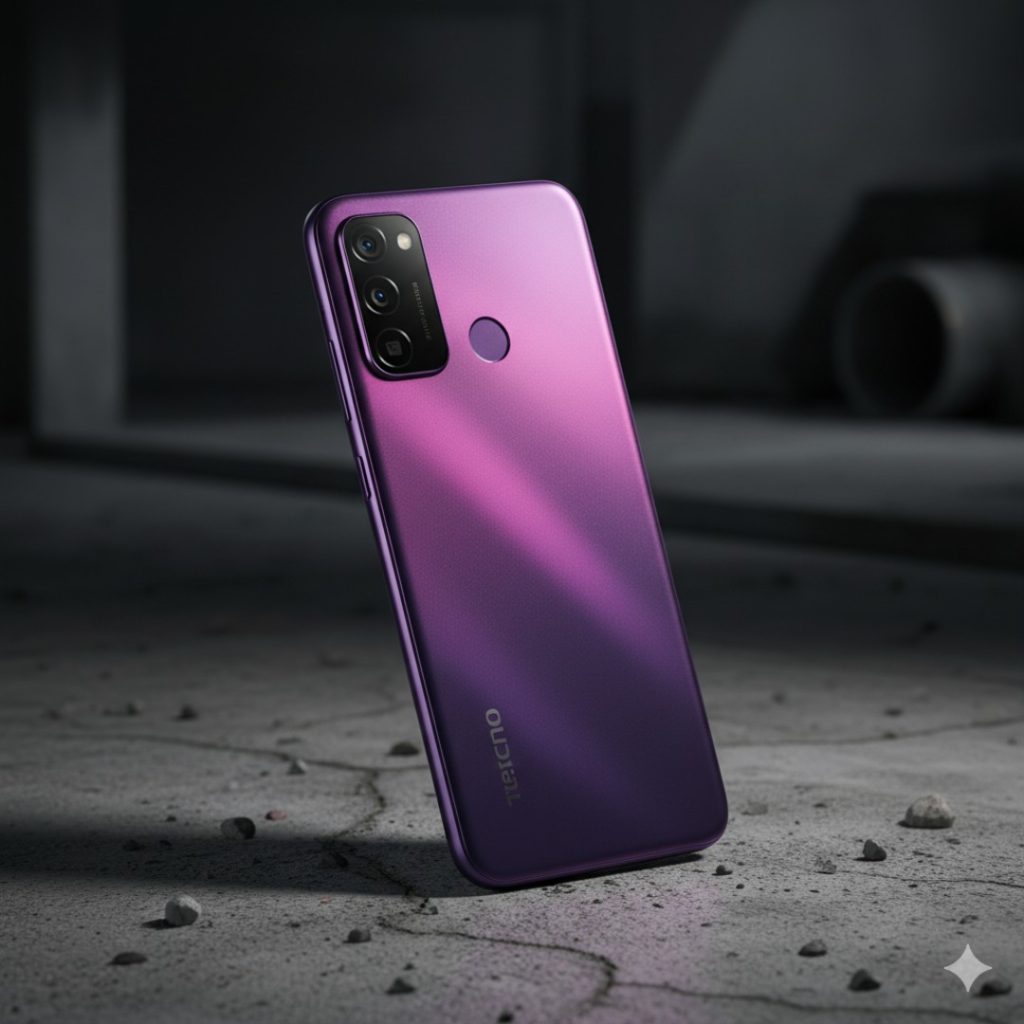
Tecno Spark Go 3 in Aurora Purple color, resting on a concrete surface to symbolize durability

1. Quick Specs: What You Get For ₹8,999

Read more: OPPO Find X9 5G 

Tecno has made some interesting choices here. You lose 5G (yes, it’s a 4G phone), but you gain a better display and build quality.

FeatureSpecification
Price in India₹8,999 (4GB/64GB)
ProcessorUnisoc T7250 (Octa-Core)
RAM4GB LPDDR4X (+ 4GB Virtual RAM)
Storage64GB eMMC 5.1 (Expandable up to 1TB)
Display6.75″ HD+ IPS LCD (120Hz Refresh Rate)
DurabilityIP64 (Dust & Water Resistant)
Rear Camera13MP Main + AI Lens
Front Camera8MP with Flash
Battery5,000 mAh
Charging15W Wired (Charger in box)
OSAndroid 15 (HiOS 15

2. Design & Build: Finally, A Cheap Phone That Doesn’t Feel Cheap

Most phones in this price range feel hollow. The Spark Go 3 feels dense. It has a flat-edge design that mimics the iPhone (as everyone does these days), but the texture is where it wins.

  • The “Drop-Ready” Build: Tecno claims it is built for rough usage. I haven’t dropped it from a building, but it survived a tumble from my desk to a tiled floor without a scratch.
  • IP64 Rating: This is rare under ₹10k. It means it can handle dust and heavy splashes of water. If you are a delivery rider or someone who works outdoors, this feature alone makes it worth considering.
  • Ports: You get a Type-C port, a 3.5mm headphone jack (thankfully), and a side-mounted fingerprint scanner that is surprisingly fast.
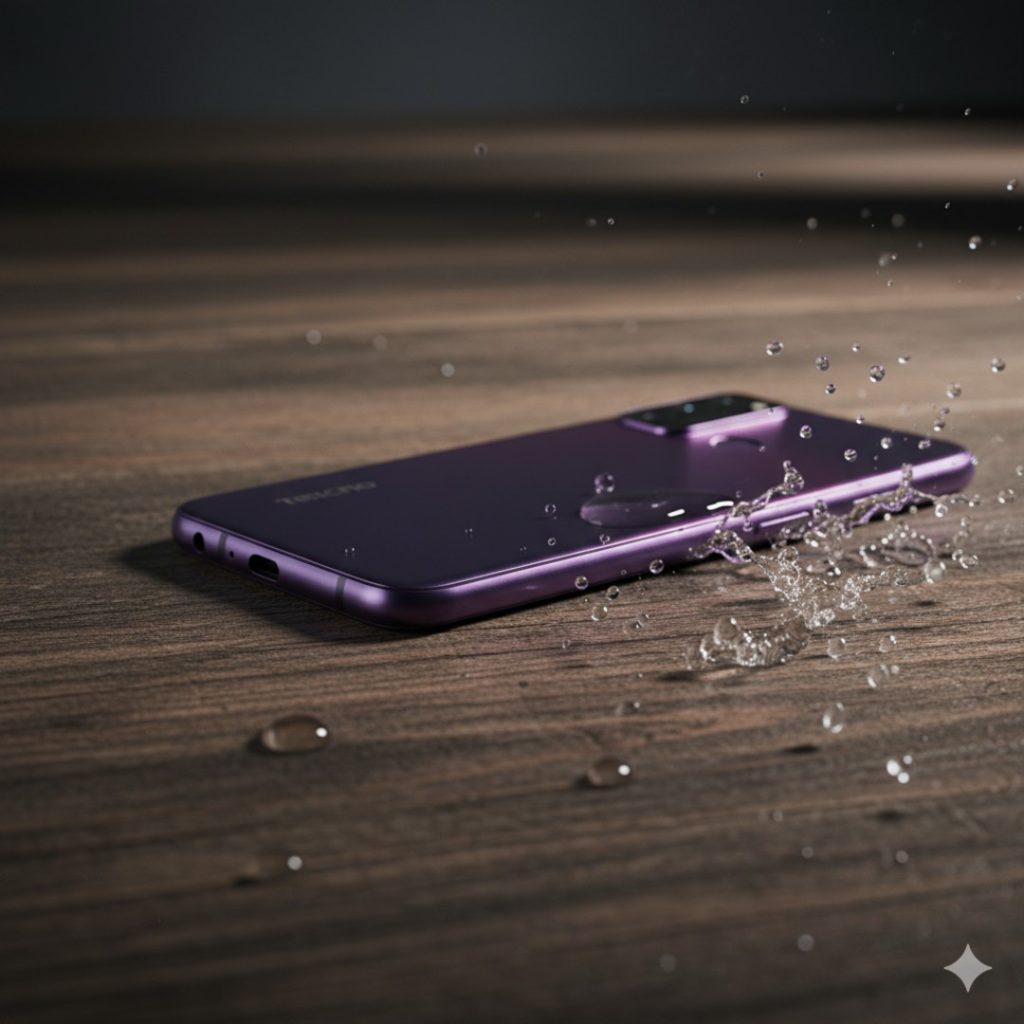
Tecno Spark Go 3 showing the flat edges and the SIM tray slot. The phone is placed on a rough wooden desk next to a splash of water droplets to hint at IP64 rating.

3. Display & Visuals: 120Hz is the Game Changer

The Good:

The 120Hz refresh rate on an ₹8,999 phone is a massive win. Scrolling through Instagram or reading news feels significantly smoother than on the Redmi A4 (which is stuck at 90Hz) or the base Samsung M-series (60Hz).

The Bad:

  • Resolution: It is still an HD+ (720p) panel. If you watch YouTube videos, they cap at 720p. You will notice some pixelation if you look closely at text.
  • Brightness: At roughly 500 nits, it struggles under direct Delhi sunlight. You will find yourself shading the screen with your hand to read maps.
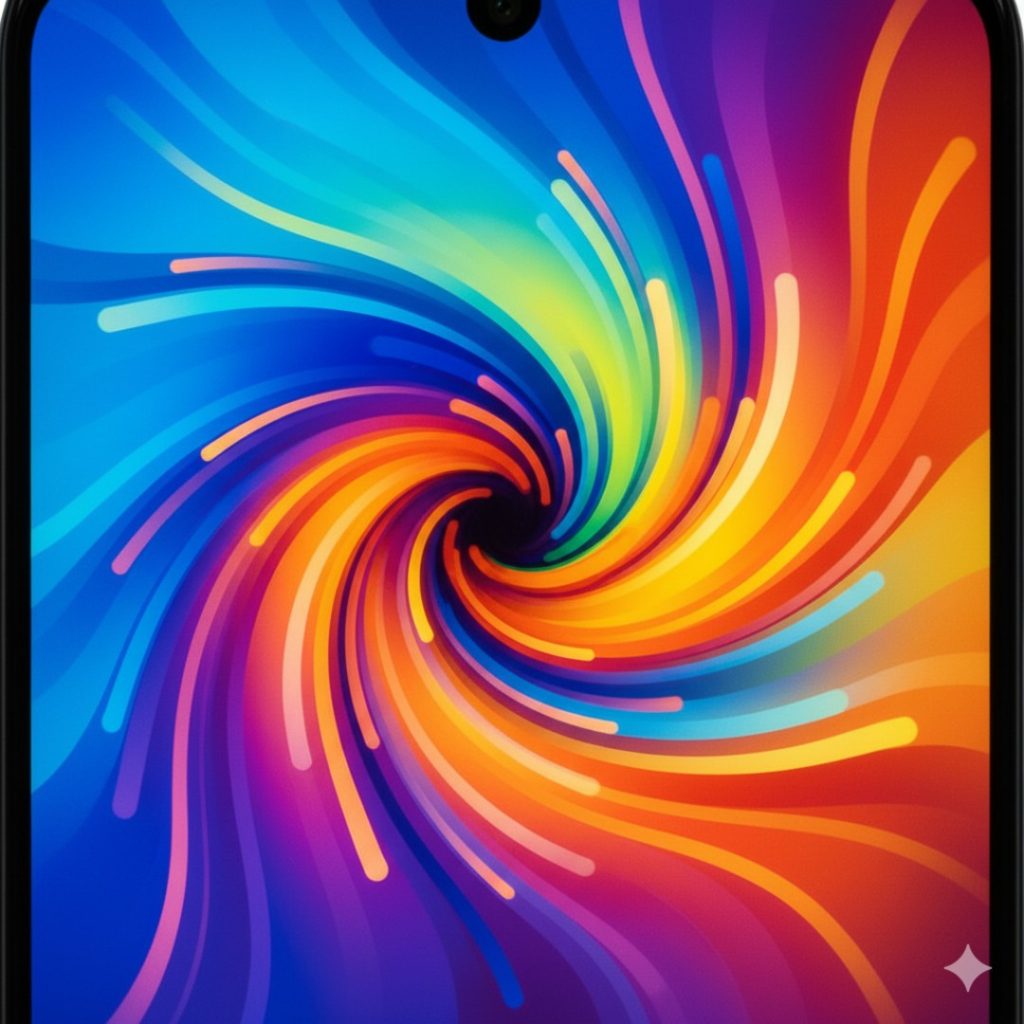
Tecno Spark Go 3 screen, displaying a vibrant, colorful abstract wallpaper, with the punch-hole camera clearly visible at the top center

4. Performance & Usage: The Unisoc Surprise

The phone runs on the Unisoc T7250. Now, before you roll your eyes at “Unisoc,” hear me out. This is a newer chip optimized for budget efficiency.

Real World Test:

  • Day-to-Day: Opening WhatsApp, Dialer, and Chrome is snappy. The 120Hz screen makes the UI feel faster than it actually is.
  • Multitasking: With 4GB RAM, don’t expect miracles. It holds about 3-4 apps in memory. If you switch back to Instagram after 20 minutes, it will reload.
  • Gaming (BGMI/Free Fire):
    • Free Fire: Runs smoothly on Medium settings.
    • BGMI: Playable on Smooth + Ultra, but expect frame drops in hot drops. This is NOT a gaming phone.

Heating:

Surprisingly cool. Even after 30 minutes of gaming, the max temperature I recorded was 39°C.

5. Camera: Use It Only When Necessary

Let’s be honest—you don’t buy an ₹8,999 phone for photography.

  • 13MP Rear Camera: It takes decent photos in broad daylight. Colors are slightly oversaturated (the grass looks neon green), which looks good on social media but isn’t natural.
  • Low Light: The “Super Night Mode” tries hard, but photos come out grainy and soft.
  • 8MP Selfie: It’s actually quite good for video calls. The dedicated front flash (a classic Tecno feature) is a lifesaver if you take selfies in dark clubs or at night.
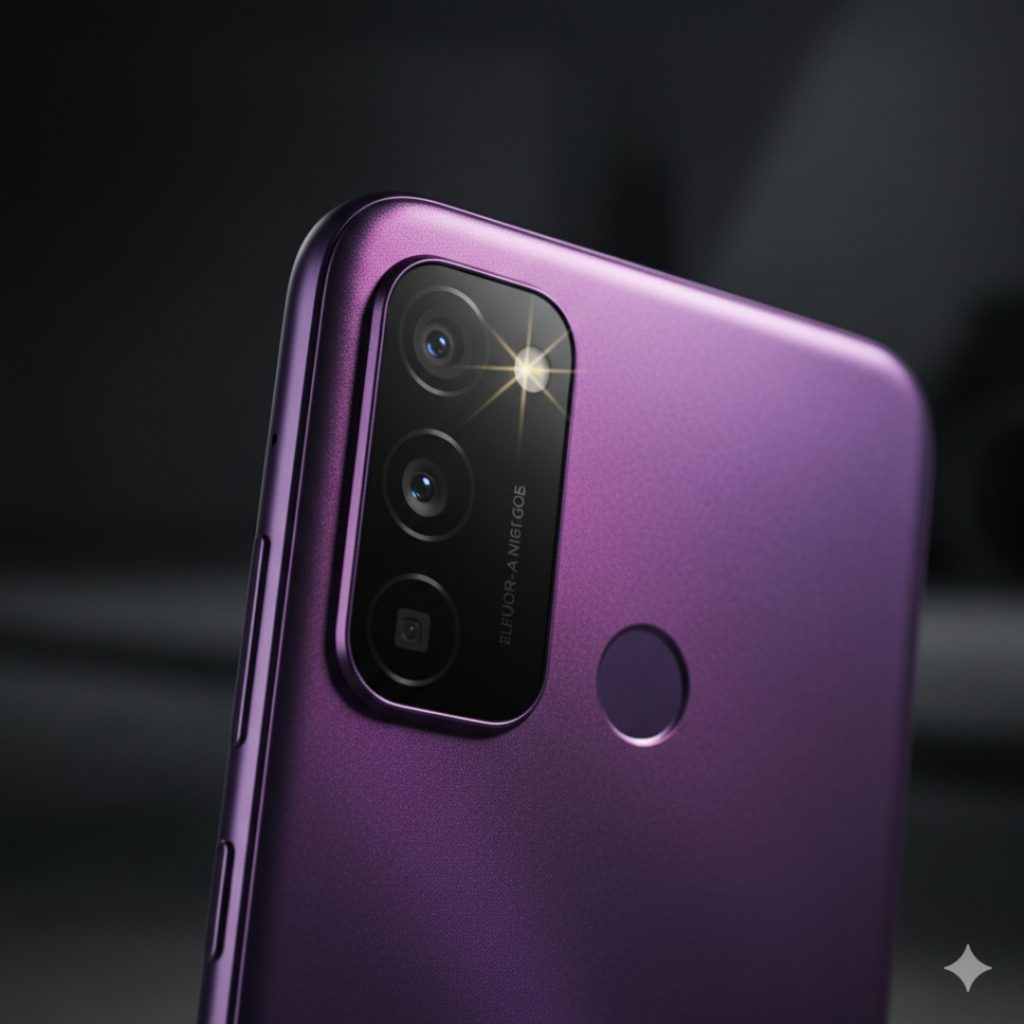
Macro close-up shot of the square Camera Module on the back of the Tecno Spark Go 3. The lens glass reflects light. Texture of the back panel is visible.

Battery & Endurance: The Weekend Warrior

  • Capacity: 5,000 mAh.
  • Drain Test: I started my day at 8 AM. After 2 hours of calling, 3 hours of Spotify, and 1 hour of YouTube, I still had 45% battery left at 9 PM. This phone easily lasts 1.5 days.
  • Charging: This is the pain point. It supports 15W charging.
    • 0-50%: Takes about 55 minutes.
    • 0-100%: Takes nearly 2 hours and 15 minutes. Put it on charge before you sleep.

6. The Competition: Tecno Spark Go 3 vs. The Rivals

Auto-detecting the strongest rivals in the ₹8,000 – ₹9,500 segment:

  1. Redmi A4 5G (The 5G option)
  2. Moto G24 Power (The Battery King)
FeatureTecno Spark Go 3Redmi A4 5GMoto G24 Power
Price₹8,999₹8,499₹8,999
Network4G Only5G4G
Screen120Hz HD+90Hz HD+90Hz HD+
ProcessorUnisoc T7250SD 4 Gen 2Helio G85
DurabilityIP64 (Best)BasicWater Repellent
Charging15W18W33W
SoftwareHiOS (Bloatware)HyperOSClean Android

Analysis:

  • Vs Redmi A4: If you need 5G, buy the Redmi. But the Tecno Spark Go 3 feels more premium in hand and has a smoother 120Hz display.
  • Vs Moto G24: The Moto charges much faster (33W). However, Tecno wins on ruggedness with the IP64 rating.

Winner:

  • For 5G: Redmi A4.
  • For Rough Usage: Tecno Spark Go 3.

7. Final Verdict

The Tecno Spark Go 3 is not for everyone. It lacks 5G, which is a big miss in 2026. However, it targets a very specific user: the one who breaks their phone often.

Should you buy it?

BUY IT IF:

  1. You are clumsy: The IP64 rating and sturdy build will save you repair costs.
  2. You consume content: The 120Hz screen is the best in this segment for scrolling and watching reels.
  3. You need loud audio: The DTS speakers are surprisingly loud, great for listening to music without earphones.

SKIP IT IF:

  1. You need 5G: Jio/Airtel 5G won’t work here. You are stuck with 4G.
  2. You are a photographer: The 13MP camera is very basic.
  3. You hate slow charging: Waiting 2+ hours for a full charge is annoying in 2026.

A solid, durable 4G tank in a world of fragile 5G toys.

8. FAQs (People Also Ask)

Q1: Does the Tecno Spark Go 3 support 5G?

No, the Tecno Spark Go 3 is a 4G-only smartphone. If you need 5G connectivity, look at the Tecno Spark 20 Pro 5G or Redmi A4 5G.

Q2: Is the Tecno Spark Go 3 waterproof?

It has an IP64 rating, which means it is dust-tight and resistant to water splashes (like rain). However, it is not fully waterproof—do not submerge it in a bucket or pool.

Q3: Does it have a fingerprint sensor?

Yes, it features a fast side-mounted fingerprint sensor embedded in the power button.

Q4: How much time does it take to charge fully?

With the included 15W charger, the 5,000mAh battery takes approximately 2 hours and 15 minutes to charge from 0% to 100%.

Q5: What is the “Ella” AI Assistant?

Ella is Tecno’s built-in voice assistant (similar to Google Assistant). In the Spark Go 3, it has been updated to support local Indian languages for better offline voice commands.
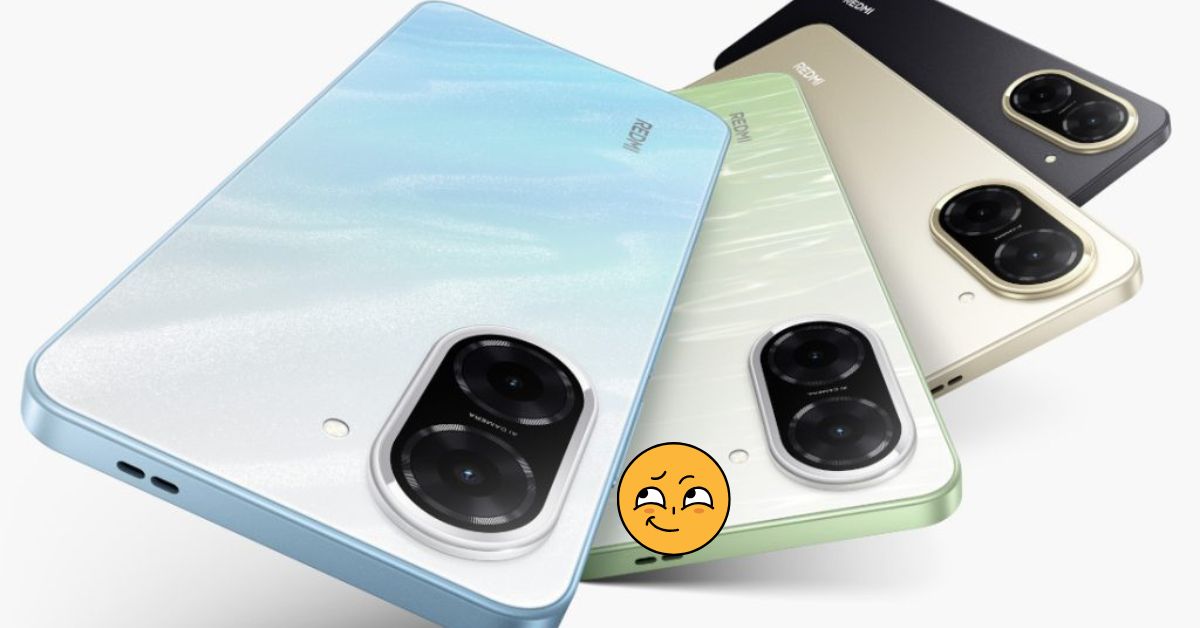
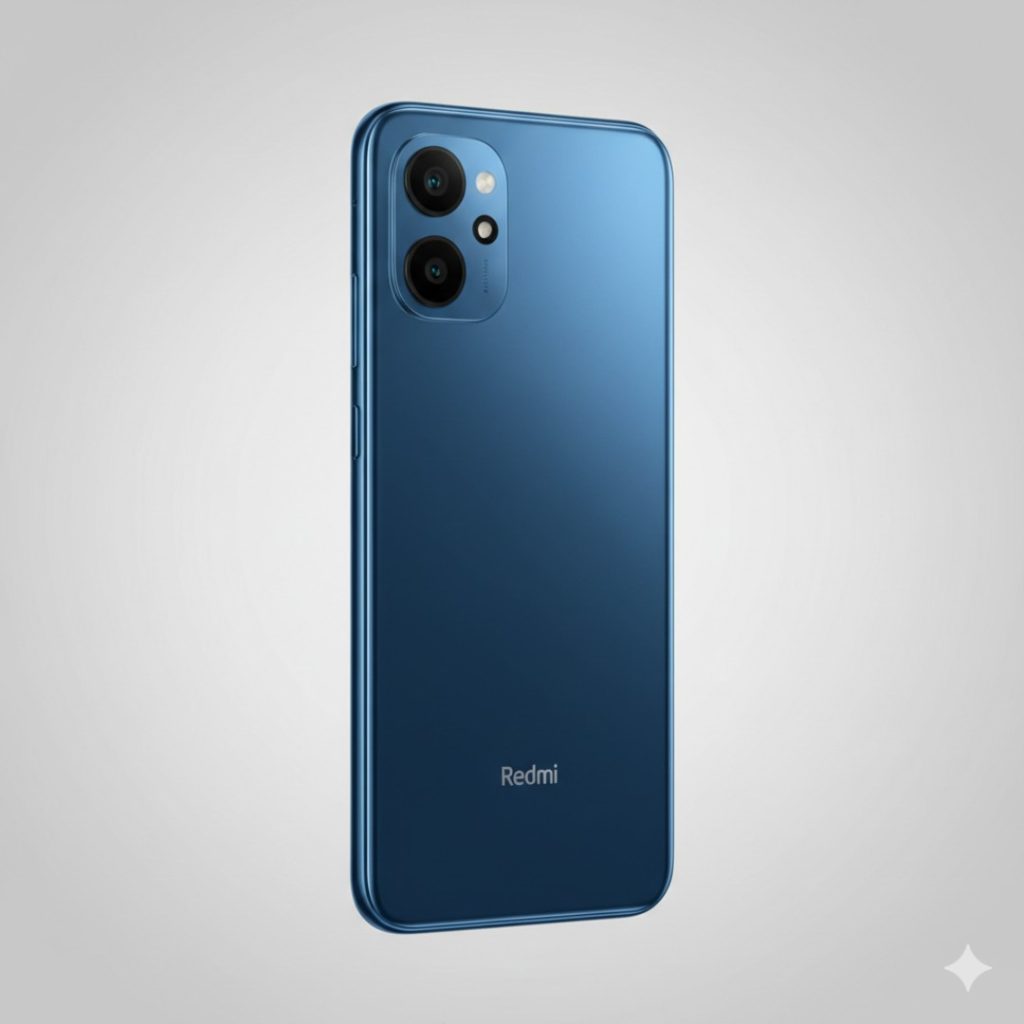
Redmi A5

Redmi A5 (2026): Everything About Price, 32MP Camera, and Unisoc T7250 Performance.

Let’s be honest: buying a phone under ₹7,000 usually feels like a compromise. You expect a laggy screen, a battery that dies by evening, and a design that looks like it belongs in 2018. But the real truth is, the Redmi A5 is trying to change that narrative in 2026.

Launched at a starting price of ₹6,499, this isn’t just another “cheap” phone. It’s the first in its segment to bring a 120Hz refresh rate and a massive 6.88-inch display to the masses. While everyone is chasing 5G, Redmi has doubled down on 4G stability and premium design for the common Indian buyer. Don’t waste your money if you’re looking for a gaming beast, but if you want the best “first smartphone” or a reliable secondary device, read on.

A high-quality hero shot of the Redmi A5 in Pondicherry Blue.

2. QUICK SPECS TABLE

FeatureTechnical Specification
ProcessorUnisoc T7250 (Octa-core, 1.8GHz)
Display6.88-inch HD+ IPS LCD, 120Hz Refresh Rate
RAM / Storage3GB/4GB LPDDR4X
Virtual RAMUp to 8GB (Memory Extension)
Rear Camera32MP Primary (f/2.0) + Auxiliary Lens
Front Camera8MP with Fill-light
Battery5200 mAh (Lithium Polymer)
Charging15W Fast Charging (Type-C)
SecuritySide-mounted Fingerprint + Face Unlock
SoftwareAndroid 15 (Go Edition)

3. DESIGN & BUILD (Deep Dive)

For a phone that costs less than a decent pair of sneakers, the Redmi A5 feels surprisingly premium.

  • The “Royale” Design: Redmi has moved away from the textured leather-like finish of the A3 to a more sophisticated “Glass-touch” finish. In colors like Jaisalmer Gold and Pondicherry Blue, the phone catches the light beautifully.
  • Ergonomics: Despite the massive 6.88-inch screen, it maintains a thickness of 8.26mm. It weighs 193 grams, which is quite balanced. You won’t feel like you’re carrying a brick, though one-handed usage is nearly impossible for most people.
  • Durability: It comes with an IP52 rating, meaning it can handle the occasional light drizzle or dust. Redmi claims they’ve tested the power button for 500,000 presses—so it’s built for the long haul.
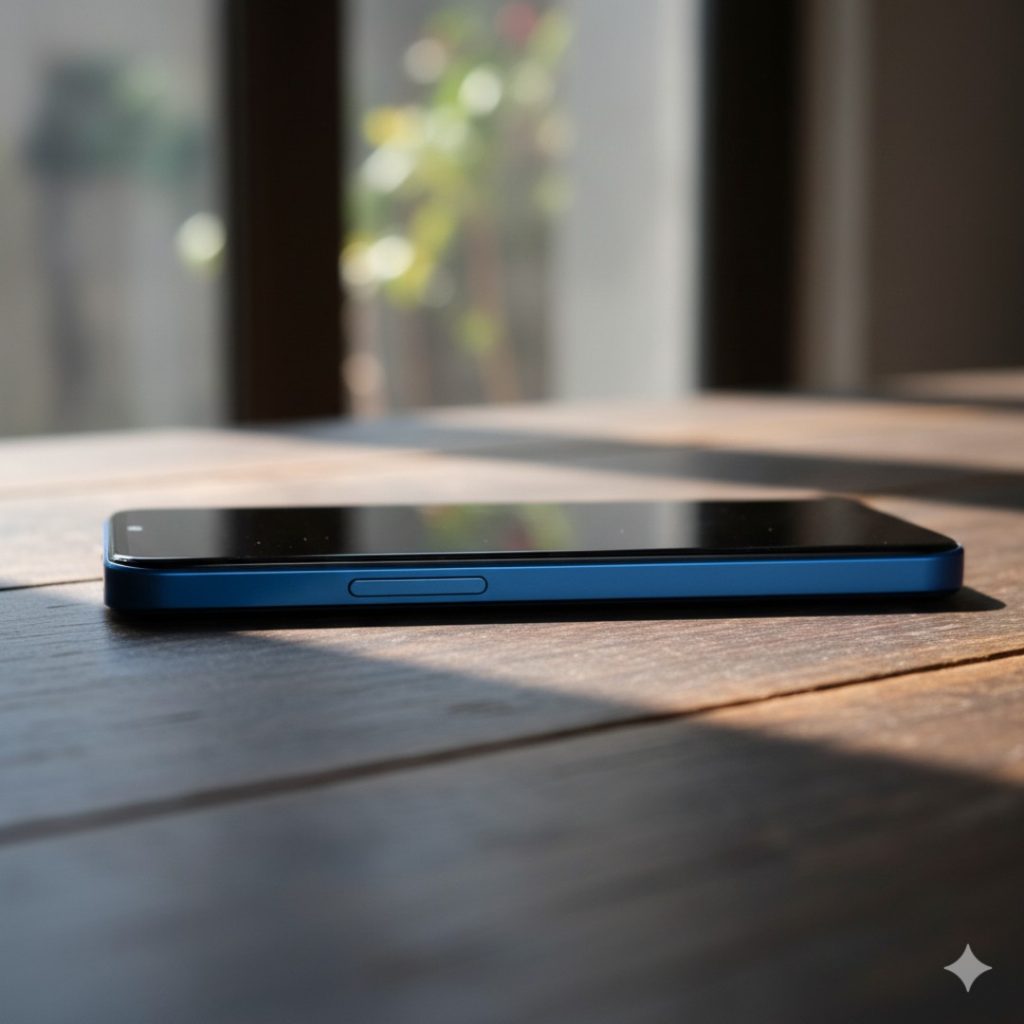
Side profile shot of the Redmi A5 on a wooden desk.

4. DISPLAY & VISUALS

This is the A5’s “Masterstroke.” Most phones in this price range (like the Samsung M05) stuck to 60Hz or 90Hz.

  • Smoothness Redefined: The 120Hz refresh rate makes scrolling through Facebook or Instagram feel surprisingly fluid. Even though the resolution is only HD+ (720 x 1650), the high refresh rate masks the lower pixel density of 262 PPI.
  • Outdoor Visibility: With 600 nits of peak brightness, the screen is legible under direct sunlight, though it struggles with glare.
  • Eye Care: It has TÜV Rheinland Low Blue Light certification. If you’re someone who spends 4 hours a day on WhatsApp, your eyes will thank you.
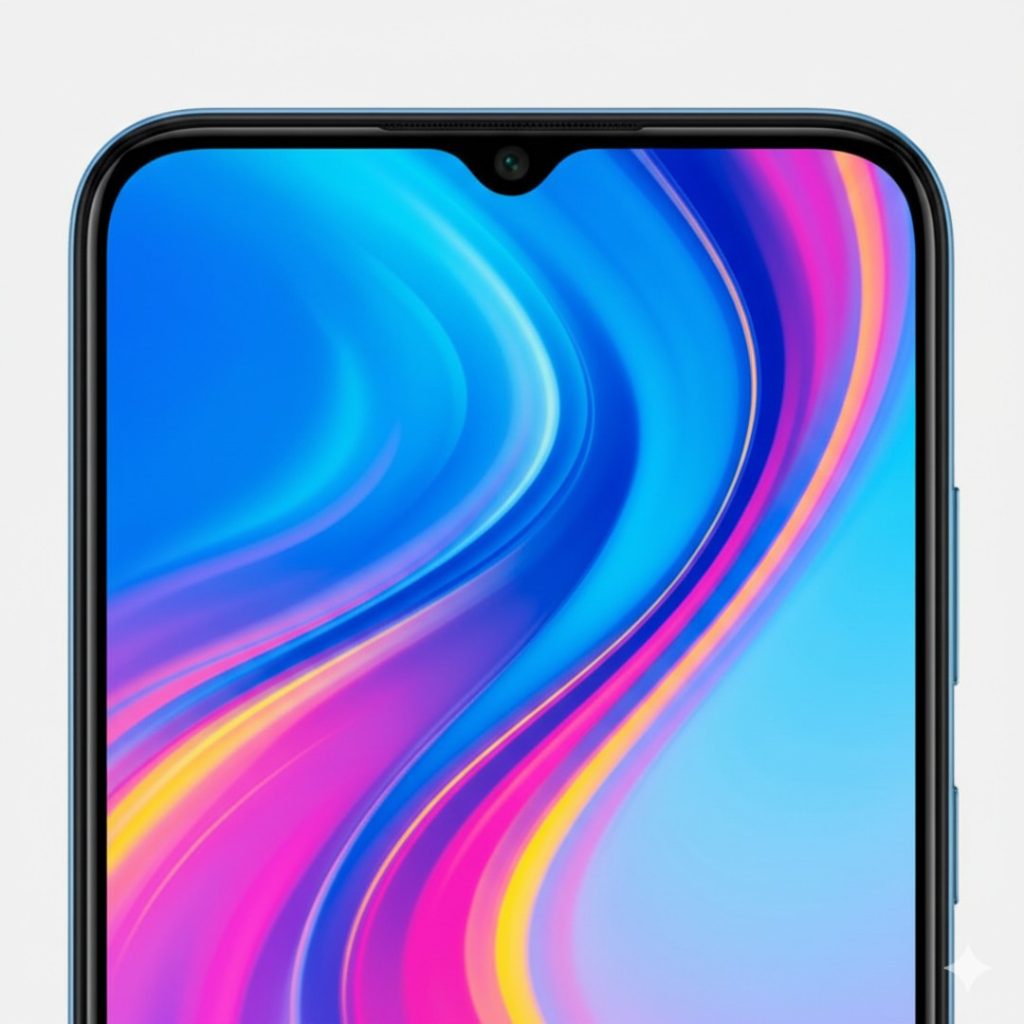
Close-up of the Redmi A5 screen showing a bright, colorful wallpaper.

5. PERFORMANCE & USAGE

The Unisoc T7250 chipset is a curious choice.

  • Real-World Speed: For daily tasks—calling, YouTube, and UPI payments—it works fine. The Android 15 Go Edition is lightweight, which helps the 3GB/4GB RAM keep things moving.
  • The Lag Factor: If you try to open 10 apps simultaneously, you will see a delay. It’s a budget chip, after all. However, the 83% performance boost over the older Redmi A3 is noticeable.
  • Gaming: Don’t even think about it. You can play Subway Surfers or Candy Crush easily. But BGMI or Free Fire will only run on the lowest settings with frequent frame drops. This is a phone for utility, not entertainment.

6. CAMERA PERFORMANCE

The Redmi A5 features a 32MP AI Dual Camera setup.

  • Daylight Photography: In bright light, the 32MP sensor captures decent detail. The colors are slightly boosted (classic Xiaomi style), which makes photos look ready for a WhatsApp Status without editing.
  • Selfies: The 8MP front camera now includes a “soft-light ring” feature. It uses the screen brightness to illuminate your face in dark rooms. It’s not a professional studio light, but it gets the job done for video calls.
  • Night Mode: It exists, but it’s not magic. It takes about 2-3 seconds to process a night shot. It reduces noise, but the images remain a bit soft.
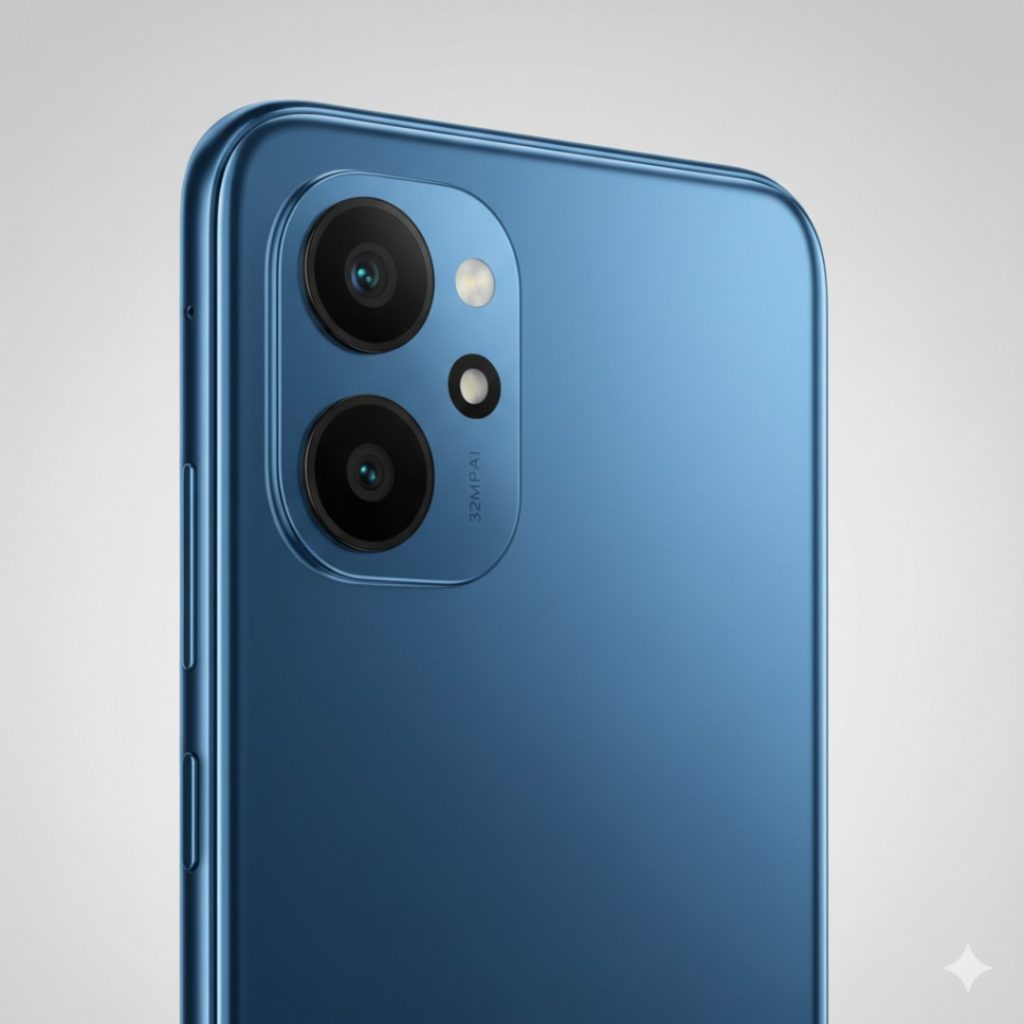
Macro shot of the large circular camera module on the back of the Redmi A5.

7. BATTERY & ENDURANCE

  • The 5200mAh Beast: Because the screen is only HD+ and the processor isn’t power-hungry, the battery lasts forever. On a full charge, it easily delivers 1.5 to 2 days of mileage.
  • Charging Speed: It supports 15W fast charging.
    • 0-50%: Takes about 55 minutes.
    • 0-100%: Takes nearly 2 hours and 15 minutes.
    • Pro Tip: It uses USB Type-C, so you don’t have to worry about carrying those old micro-USB cables anymore.

8. THE COMPETITION

Redmi A5 vs Samsung Galaxy M05 vs POCO C71

FeatureRedmi A5Samsung Galaxy M05POCO C71
Display120Hz IPS LCD60Hz PLS LCD120Hz IPS LCD
ProcessorUnisoc T7250Helio G85Unisoc T7250
Charging15W25W15W
Price (approx)₹6,499₹7,999₹6,199

The Winner: For pure value, the Redmi A5 wins because of the 120Hz screen and the premium design. However, if you want a slightly faster processor and better brand value for resale, the Samsung M05 is the safer bet at a higher price.

9. FINAL VERDICT

The Redmi A5 is the “Common Man’s Flagship.” It looks expensive but costs less than a family dinner at a fancy restaurant.

Read More : Samsung Galaxy A56 5G 

Buy it if:

  • You want the smoothest display (120Hz) in the ultra-budget segment.
  • You need a phone with massive battery life (2 days).
  • You are buying a phone for a parent or a student for basic use.

Skip it if:

  • You are a heavy gamer (Go for the Redmi 13C or 14C instead).
  • You want 5G connectivity (Wait for the Redmi A4 5G).
  • You have no patience for slow charging.

Rating: 4.1/5 Stars

11. FAQs (People Also Ask)

1. Is Redmi A5 a 5G phone?

No, the Redmi A5 is a 4G LTE device. If you want 5G in a similar budget, look for the Redmi A4 5G.

2. Does it come with a charger in the box?

Yes! Unlike the expensive Samsung phones, Redmi still provides a 15W adapter and a Type-C cable inside the box.

3. Can I use two SIM cards and a Memory Card?

Yes, it has a Triple Slot. You can use two Nano-SIMs and one microSD card (up to 2TB) at the same time.

4. Does it have a fingerprint sensor?

Yes, it has a fast side-mounted fingerprint sensor integrated into the power button.

5. How many updates will it get?

Xiaomi promises 2 years of OS updates and 4 years of security patches, which is excellent for this price range.

WhatsApp Channel
Compare (0)