
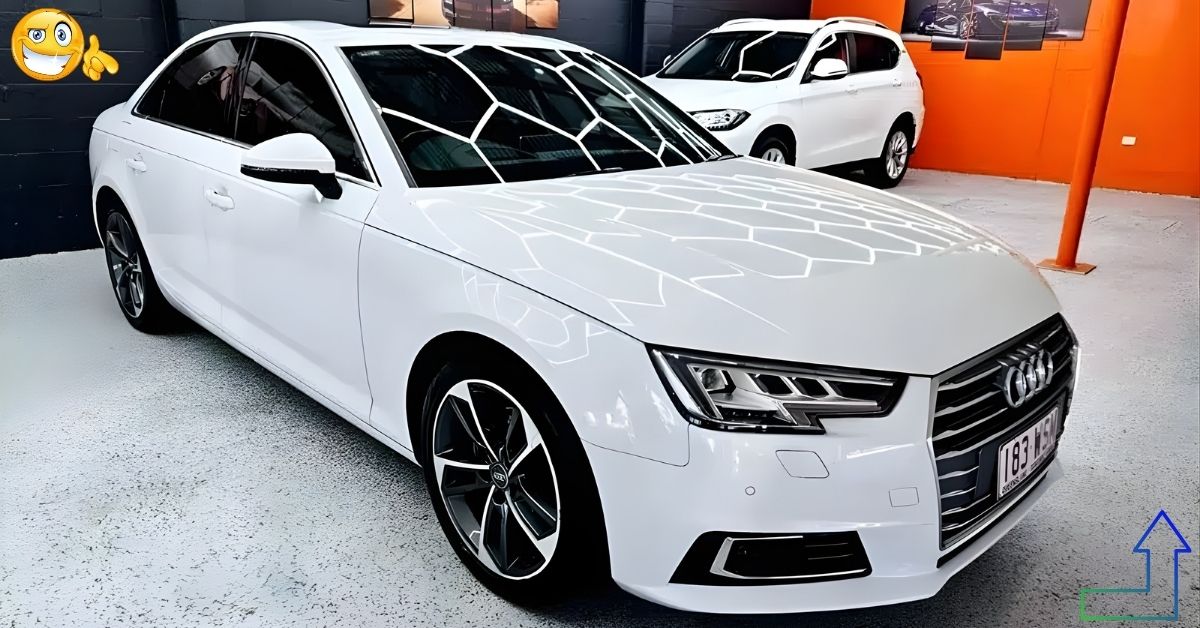
Audi’s Smart Luxury Cars Are Changing India’s Premium Auto Market
Luxury cars in India are no longer just about comfort and style. Today, buyers are looking for advanced technology, smart driving systems, electric performance, and connected features. This is where Audi AG is trying to change the definition of premium mobility by focusing on dynamic and tech-driven luxury.
In recent years, Audi India has introduced several new models with advanced features, including electric vehicles and smart safety systems. This article explains how Audi is using technology to shape the future of luxury driving in India, what it means for Indian customers, and what we can expect next.
What’s Changing in the Luxury Car Segment?
Earlier, luxury cars mainly focused on leather interiors, powerful engines, and comfort. But now, modern luxury is becoming more technology-based.
Audi’s latest vehicles are designed around:
- Digital cockpit displays
- AI-based driver assistance
- Electric mobility (EVs)
- Smart connectivity systems
- Advanced lighting and safety technology
For example, the Audi Q8 SUV now features HD Matrix LED headlights and OLED rear lighting that can automatically adjust visibility when another vehicle comes close from behind. These systems improve both safety and driving experience.
Audi’s Push Towards Electric Luxury in India
Audi has already entered the electric mobility space in India through models like the Audi Q8 e-tron. The company launched this electric SUV in India on 18 August 2023 as part of its long-term EV strategy.
The Audi Q8 e-tron comes with:
- Battery capacity up to 114 kWh
- Claimed driving range between 491 km to 582 km
- Fast DC charging support
- Digital infotainment and virtual cockpit
The battery can charge from 10% to 80% in about 30 minutes using a fast charger.
This shows how Audi is moving towards performance-focused electric luxury instead of traditional fuel-based engines.
Check out more: Mercedes Benz Cars
Why Tech-Driven Luxury Matters for Indian Buyers
India’s premium car market is growing fast, especially in metro cities. Customers are now more interested in:
- Sustainability
- Connected driving
- Smart navigation
- Voice-controlled features
- Advanced safety systems
Audi’s vehicles now offer features like:
- 360-degree camera
- Voice command support
- Android Auto and Apple CarPlay
- Wireless charging
- Internet-enabled infotainment
These technologies make daily driving easier in busy Indian traffic conditions.
Impact on India’s Electric Vehicle Market
Audi’s growing EV lineup is helping to build confidence among Indian buyers who are still unsure about electric cars.
With:
- Premium electric SUVs
- Fast charging support
- Luxury interiors
- Long driving range
Luxury EVs like the Q8 e-tron are slowly making electric mobility more attractive for high-end customers.
Audi has also invested in charging infrastructure support for its EV owners in India, which is important for faster EV adoption in the country.
What Happens Next?
Audi plans to expand its electric vehicle portfolio in India in the coming years. More electric SUVs and connected mobility solutions are expected to launch soon.
The company’s focus will likely remain on:
- Smart driver assistance
- AI-based safety
- Digital dashboards
- Sustainable luxury materials
- Improved battery performance
This could make tech-driven luxury the new standard in India’s premium automobile market.
FAQs
1. What does tech-driven luxury mean in Audi cars?
It means using smart technology like digital displays, AI safety systems, and connected features to improve comfort, safety, and driving experience.
2. Is Audi offering electric cars in India?
Yes, Audi has already launched electric models like the Q8 e-tron in India.
3. What is the driving range of Audi Q8 e-tron?
It offers a claimed driving range of around 491 km to 582 km depending on the variant.
4. Are Audi EVs fast charging compatible?
Yes, the Q8 e-tron supports DC fast charging and can charge up to 80% in about 30 minutes.
5. Why are luxury EVs becoming popular in India?
They offer sustainability, lower emissions, advanced technology, and smooth performance.
