Suzuki e-Access Electric Scooter Launched in India: Price, Range & Features
The electric two-wheeler market in India is growing rapidly, and legacy brands are finally stepping up to join the race. Suzuki Motorcycle India has officially entered the electric vehicle segment by launching its highly anticipated Suzuki e-Access. Building on the massive success of its petrol-powered Access 125, the company aims to offer a reliable, eco-friendly commuting option for Indian families. This article covers everything you need to know about the new electric scooter, from its battery technology to its premium pricing.
What Happened: Suzuki Enters the EV Space
After showcasing the concept at various mobility expos, Suzuki has officially launched the e-Access in the Indian market. Bookings are now open across authorized dealerships, and initial deliveries have already started. By transforming its most trusted scooter brand into an electric model, Suzuki is targeting urban riders who want a familiar, comfortable ride but with zero emissions. This marks a major shift for the Japanese manufacturer as it begins its electric journey in India.
Key Details and Specifications
The biggest talking point of the Suzuki e-Access is its battery technology. Unlike many competitors that use Nickel Manganese Cobalt batteries, Suzuki has opted for a 3.07 kWh Lithium Iron Phosphate (LFP) battery. This technology is known for better thermal stability, a longer lifespan, and higher safety, which is very important for Indian weather conditions. Suzuki claims this battery setup can last up to four times longer than standard EV batteries.
Powering the scooter is a 4.1 kW electric motor that generates 15 Nm of torque. In terms of performance, the scooter delivers a top speed of 71 kmph, making it perfect for city traffic. The certified riding range is 95 kilometers on a single charge. When it comes to charging, a standard home charger takes about six and a half hours for a full charge. However, the scooter also supports DC fast charging, which can juice up the battery from zero to full in just over two hours.
Check out more: Porsche Cayenne
Design and Smart Features
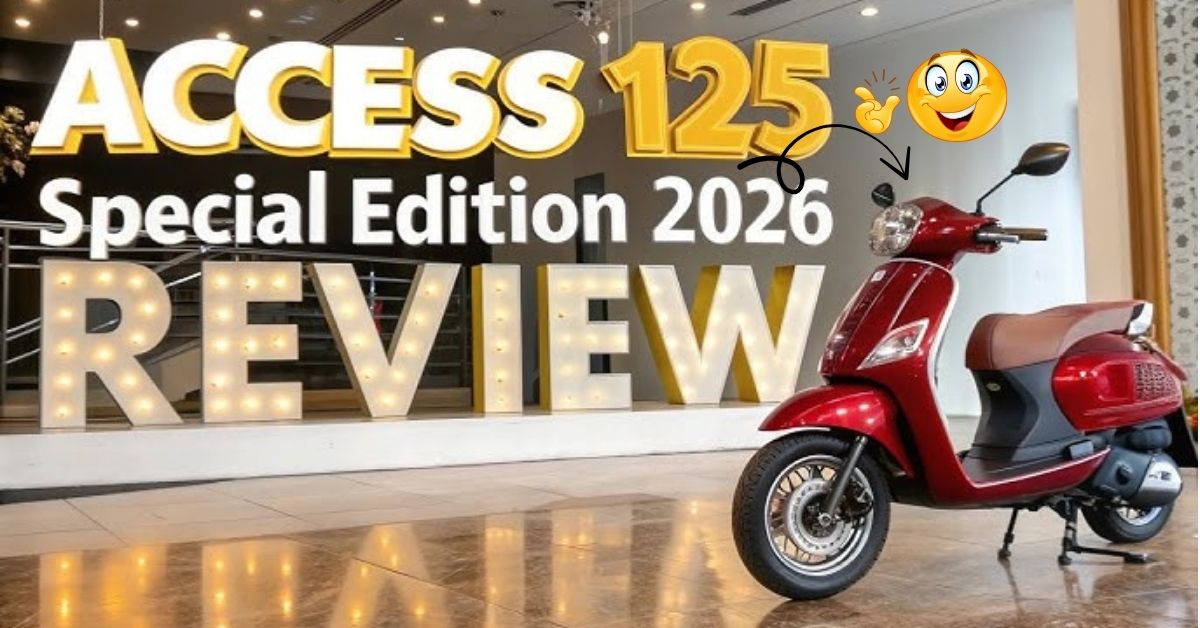
Visually, the e-Access retains the clean, family-friendly design of its petrol sibling but adds modern touches like full LED lighting and stylish 12-inch alloy wheels. It has a comfortable seat height of 765mm and a ground clearance of 160mm, designed specifically to handle rough Indian roads easily.
The scooter is packed with modern technology to improve the riding experience. It features a 4.2-inch color TFT display that connects to your smartphone via Bluetooth. Through the Suzuki Ride Connect app, riders can access turn-by-turn navigation, call alerts, and weather updates directly on the screen. It also offers three distinct riding modes (Eco, Ride A, and Ride B) along with a handy reverse mode for tight parking spaces.
Expected Launch Date and Price in India
The Suzuki e-Access is already available for purchase, having officially launched in early 2026. Suzuki has positioned it as a premium offering, setting the price at Rs 1.88 lakh (ex-showroom, Delhi). While this price tag is noticeably higher than many of its rivals, the company is trying to justify the cost with exceptional peace of mind for the buyer. Suzuki is offering a massive 7-year or 80,000-kilometer extended warranty on the battery and motor at no extra cost, along with a 60 percent buyback assurance after three years.
Why It Matters and Market Impact
The launch of the Suzuki e-Access is significant because it brings a highly trusted Japanese brand into the mainstream Indian EV market. However, its high price tag places it in direct competition with the top-tier variants of established scooters like the TVS iQube, Ather 450, and Bajaj Chetak. Because most of these competitors cost significantly less and sometimes offer more range, Suzuki is relying heavily on its brand loyalty, build quality, and the superior safety of its LFP battery to win over customers.
What Happens Next
Suzuki is currently focusing on making its dealership network fully equipped for electric vehicles. This includes installing standard and fast chargers at hundreds of outlets across the country and training mechanics specifically for EV maintenance. Going forward, the company will closely monitor sales figures and customer feedback to refine its future electric mobility strategy in India.
Frequently Asked Questions (FAQ)
What is the real-world range of the Suzuki e-Access?
The official certified range is 95 kilometers on a full charge. In real-world city riding conditions, you can expect it to deliver around 70 to 80 kilometers depending on traffic and riding modes.
How long does it take to charge the scooter?
Using the standard home charger, it takes about 6 hours and 42 minutes to charge completely. If you use a compatible DC fast charger, the time is reduced to roughly 2 hours and 12 minutes.
What kind of battery does the Suzuki e-Access use?
It uses a 3.07 kWh Lithium Iron Phosphate (LFP) battery. This type of battery is considered safer, handles heat better, and has a much longer overall lifespan compared to traditional lithium-ion batteries.
Does the scooter have a reverse gear?
Yes, the Suzuki e-Access comes with a dedicated reverse assist mode, which makes it much easier to pull the scooter out of tight or sloped parking spots.