Only COD || Advance में ₹1 भी नहीं देना है
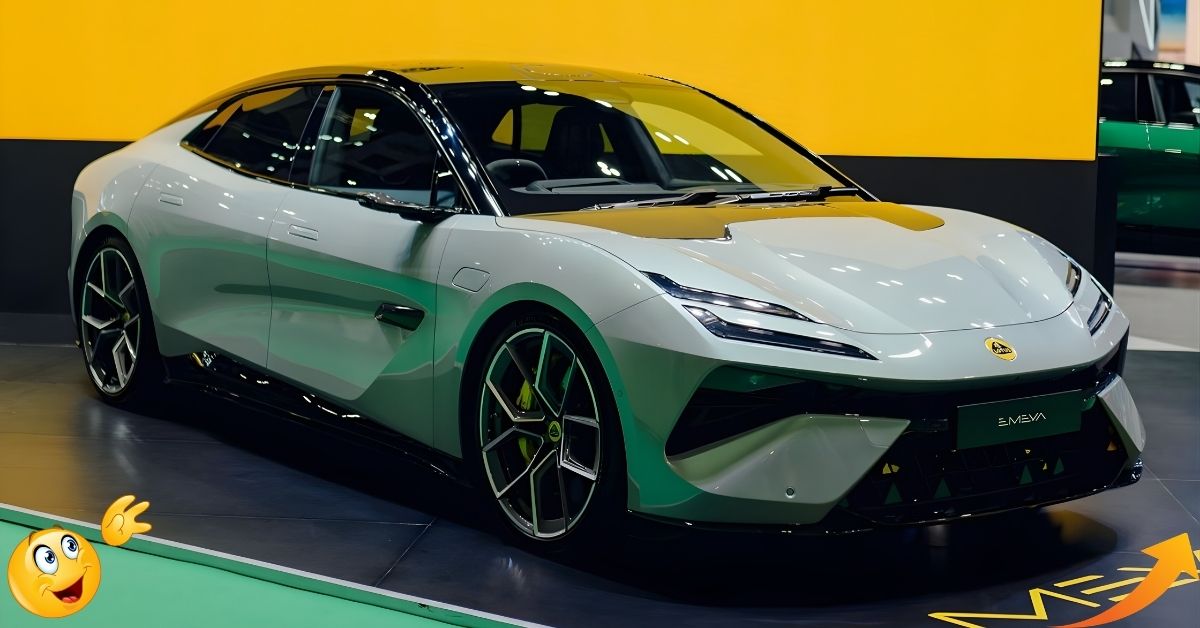
Lotus Emeya

Lotus Emeya India Launch: Price, Range, Features Explained

The luxury electric car market in India is growing fast, and now a new high-performance EV has officially entered the country — the Lotus Emeya. This all-electric grand tourer from the British car brand Lotus is making headlines because of its powerful performance, premium features, and long driving range.

In this article, we explain what the Lotus Emeya is, its price in India, key specifications, why this launch is important for the Indian EV market, and what happens next.

What is the Lotus Emeya?

The Lotus Emeya is the company’s first all-electric grand touring sedan. It is designed as a luxury performance EV that combines sports car-like speed with advanced electric technology.

This is also Lotus’ second electric vehicle launched in India, after the Eletre SUV. The company is planning to move towards a fully electric lineup by 2028 as part of its global strategy.

Lotus Emeya Price in India

The Lotus Emeya has been launched in India with a starting price of around:

  • ₹2.33 crore – ₹2.34 crore (ex-showroom)

On-road prices may go above ₹2.4 crore depending on insurance and registration costs in different cities.

The car will be available in three variants:

  • Emeya (Standard)
  • Emeya S
  • Emeya R

However, the company has not yet announced the official India prices for all variants.

Check out more: Bentley Continental GT

Battery, Range and Performance Details

The Lotus Emeya comes with a powerful electric setup that focuses on both performance and driving range.

It includes a:

  • 102 kWh lithium-ion battery pack
  • Dual-motor all-wheel-drive system
  • WLTP driving range of up to 610 km (Standard variant)

In terms of performance:

  • Standard model: 0–100 km/h in about 4.2 seconds
  • Emeya R variant: 0–100 km/h in just 2.8 seconds
  • Top speed: Up to 256 km/h

With a 350kW fast charger, the battery can charge from 10% to 80% in around 18 minutes, which is very fast for a luxury EV.

Design and Key Features

The Lotus Emeya has a coupe-style body design with strong aerodynamic features. It includes:

  • Active rear spoiler
  • Flush door handles
  • Carbon fibre design elements
  • 20- to 22-inch alloy wheels
  • LED light bar at the rear

Inside the cabin, the car offers a luxury experience with a digital dashboard and high-end materials.

Why This Launch Matters for India

India’s electric vehicle market is mostly focused on affordable EVs. But the luxury EV segment is now becoming competitive.

The Lotus Emeya will compete with high-end electric cars like:

  • Porsche Taycan
  • Mercedes-Benz EQS
  • BMW i7

Its launch shows that global carmakers are now seeing India as an important market for premium electric vehicles.

Impact on the Indian EV Market

The entry of performance-focused EVs like the Emeya could:

  • Push growth in the luxury EV segment
  • Improve fast-charging infrastructure demand
  • Increase interest in long-range electric sedans
  • Encourage other premium brands to launch similar EVs

This may also help India’s transition toward cleaner mobility in the high-end vehicle segment.

What Happens Next?

Lotus has opened its first showroom in India in New Delhi, and bookings are expected to grow slowly due to the premium pricing.

Prices for higher variants like Emeya S and Emeya R may be announced later depending on demand and market response.

FAQs

Is Lotus Emeya available in India now?

Yes, it has been officially launched in India starting January 2025.

What is the driving range of Lotus Emeya?

The standard variant offers up to 610 km of WLTP range.

How fast is the Lotus Emeya?

The top Emeya R variant can go from 0 to 100 km/h in just 2.8 seconds.

What is the battery capacity?

It comes with a 102 kWh lithium-ion battery pack.

Is Lotus Emeya fully electric?

Yes, it is a fully electric luxury grand touring sedan.
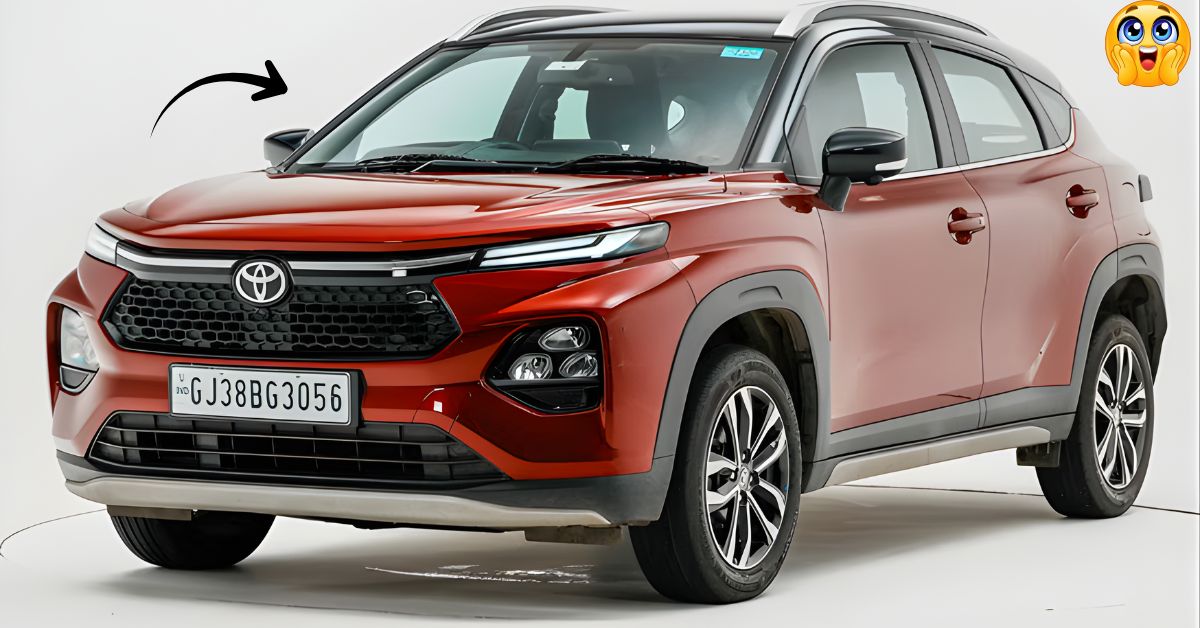
Toyota Ebella

Toyota Ebella: Range, Price, and Features of Toyota’s New EV

The wait is over for Toyota fans in India. Toyota Kirloskar Motor has officially taken a giant leap into the electric vehicle (EV) market. The company has unveiled its first-ever mass-market electric SUV for India, named the Toyota Urban Cruiser Ebella.

For years, Indian buyers have trusted Toyota for reliable diesel SUVs and efficient hybrids. Now, the Japanese giant is ready to challenge Tata, MG, and Hyundai in the pure electric race. The Ebella promises to combine Toyota’s legendary durability with modern electric technology.

Here is everything you need to know about the new Toyota Ebella, its range, features, and expected price.

What is the Toyota Ebella?

The Toyota Urban Cruiser Ebella is a mid-size electric SUV. If it looks familiar, that is because it is based on the same platform as the Maruti Suzuki e Vitara. Toyota and Suzuki are global partners, and they often share technology. However, the Ebella is not just a copy-paste job.

Toyota has given the Ebella a unique look to match its own “Urban Tech” design philosophy. It features a sharp front design called the “Hammerhead” look, which makes it appear aggressive and futuristic. It stands out from the Maruti version with different LED lights, bumpers, and alloy wheels.

Check out more: Skoda Superb 2026 

Battery, Power, and Range

The most important part of an electric car is the battery. Toyota knows this and is offering two battery options to suit different needs and budgets.

Two Battery Options

  • 49 kWh Battery: This is the smaller battery pack. It is great for city driving and offers a claimed range of around 440 km on a full charge.
  • 61 kWh Battery: This is the larger, long-range option. It offers an impressive ARAI-certified range of 543 km. This version is perfect for highway trips and weekend getaways.

Performance

The Ebella is expected to be a smooth performer. The larger battery version produces around 172 bhp and 189 Nm of torque. It comes with a Front-Wheel Drive (FWD) system. While it is not a sports car, it has enough power for quick overtakes in Indian traffic.

Interior and Top Features

Inside, the Toyota Ebella feels premium and modern. It is designed to be comfortable for five passengers.

  • Dual Screens: The dashboard has a modern look with two large screens. There is a 10.25-inch touchscreen for music and maps, and a 10.1-inch digital display for the driver.
  • Comfort: It comes with ventilated front seats, which are a blessing for Indian summers.
  • Sunroof: A large panoramic glass roof makes the cabin feel airy and spacious.
  • Sound System: Music lovers will enjoy the premium JBL audio system.
  • Safety: Toyota has packed the Ebella with safety tech. It gets Level 2 ADAS (Advanced Driver Assistance Systems), a 360-degree camera, and multiple airbags as standard.

Expected Price and Rivals

Toyota has not announced the final price yet, but experts have a good estimate. The launch is expected around February 21, 2026.

  • Estimated Price: ₹16 Lakh to ₹21 Lakh (ex-showroom).

At this price point, the Toyota Ebella enters a very hot market. It will directly compete with:

  1. Hyundai Creta EV: The electric version of India’s favorite SUV.
  2. Tata Curvv EV: Known for its stylish coupe design.
  3. MG ZS EV: A well-established player in the EV space.
  4. Maruti e Vitara: Its own sibling and platform partner.

Why Does This Launch Matter?

This launch is significant for the Indian auto industry. Until now, Toyota focused heavily on Hybrids (like the Hyryder and Innova Hycross). By launching the Ebella, Toyota is sending a message that it is serious about pure electric cars too.

For Indian buyers, this is great news. Many people hesitated to buy EVs because they were worried about reliability and service. With Toyota entering the game, that trust factor increases. A Toyota EV means peace of mind regarding service, spare parts, and resale value.

What Happens Next?

The official launch is just around the corner. Bookings are expected to open soon at Toyota dealerships across India. If you are planning to buy a mid-size SUV in 2026, it might be worth waiting a few days to test drive the Ebella.

Frequently Asked Questions (FAQs)

1. What is the real-world range of the Toyota Ebella?

While the official ARAI range is 543 km for the top model, the real-world range in city traffic with AC on will likely be around 350 km to 400 km.

2. Is the Toyota Ebella the same as the Maruti e Vitara?

They share the same battery, motor, and platform. However, the Ebella has different exterior styling, Toyota badging, and likely a different warranty package.

3. Does the Toyota Ebella have a sunroof?

Yes, the higher variants of the Toyota Ebella come with a panoramic glass roof.

4. When will the Toyota Ebella launch in India?

The car has been unveiled, and the official market launch with price announcement is expected around February 21, 2026.

5. What is the expected price of the Toyota Ebella?

The price is expected to start from ₹16 Lakh for the base model and go up to ₹21 Lakh for the top model.

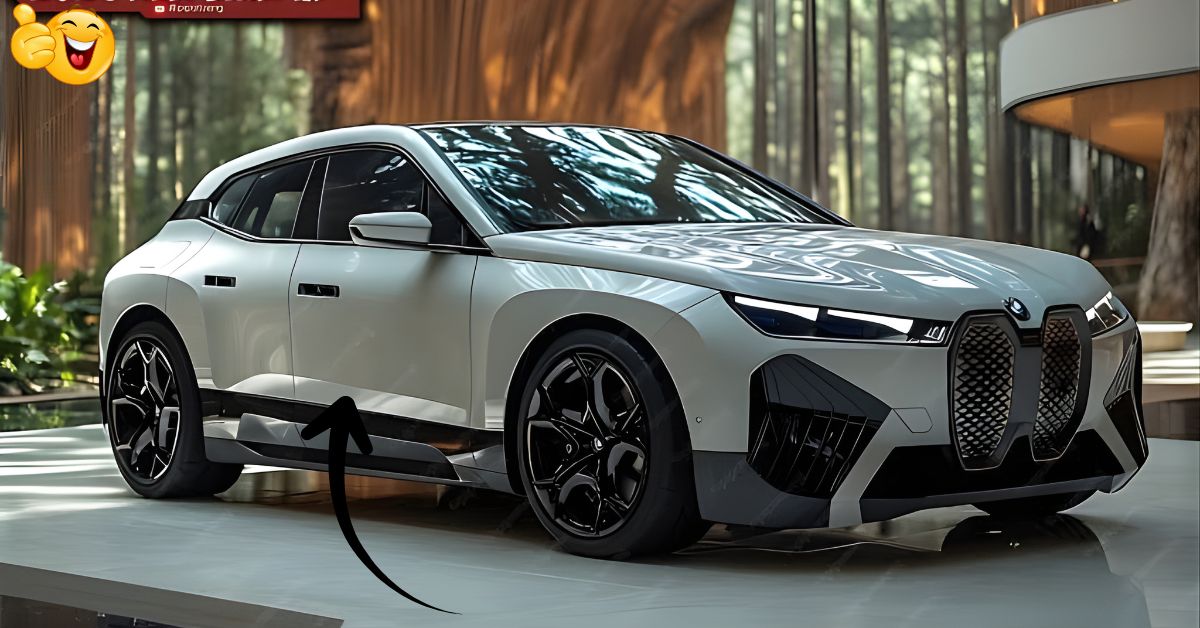
BMW iX 2026

BMW iX 2026 Facelift Coming to India: 700km Range & New Features

The BMW iX has been a massive success in India, often seen silently cruising through the posh streets of Mumbai, Delhi, and Bengaluru. It is currently one of the best-selling luxury electric SUVs in the country. Now, BMW is taking things to the next level.

The German carmaker has officially revealed the 2026 BMW iX Facelift (LCI). This is not just a cosmetic update; it comes with bigger batteries, significantly more driving range, and a new naming structure. For Indian buyers waiting for a luxury EV that eliminates “range anxiety,” this might be the perfect answer.

Here is everything you need to know about the upcoming BMW iX 2026 model, its launch timeline in India, and why it is a big deal.

What is New in the BMW iX 2026?

The biggest change in the 2026 model is under the hood—or rather, under the floor. BMW has updated the electric motors and batteries to be more efficient. Because of these performance upgrades, BMW has even changed the variant names:

  • xDrive45: Replaces the current xDrive40.
  • xDrive60: Replaces the current xDrive50.
  • M70: Replaces the current M60 performance model.

This signals that the car is not just “refreshed” but is actually more powerful than before.

Read More: MG Hector 2026

Major Range and Battery Upgrades

For Indian roads, range is the most critical factor. The current BMW iX already offers decent mileage, but the 2026 version is a marathon runner.

  • BMW iX xDrive45 (Entry Level): This model gets a battery boost to roughly 94.8 kWh. It now produces 402 horsepower (up from 326 hp). The expected range is around 500 to 600 km on a full charge.
  • BMW iX xDrive60 (Mid Variant): This is the star of the show. It features a larger 109.1 kWh battery and churns out 536 horsepower. BMW claims it can deliver a range of up to 700 km (WLTP cycle). Even in real-world Indian traffic conditions with AC on, you can expect a very healthy range, making inter-city trips like Mumbai to Pune or Delhi to Jaipur much easier.

Exterior Design: A “Glowing” Update

The BMW iX has always had a polarized design—people either love it or hate it. For 2026, BMW has refined the look to make it sharper.

  • Illuminated Grille: The massive kidney grille now features an illuminated contour (lights up at night), similar to the new BMW 7 Series and i7. This gives it a very futuristic and premium road presence.
  • New Lights: The headlights have been redesigned with a new diagonal LED Daytime Running Light (DRL) signature.
  • Sportier Bumpers: The front and rear bumpers have new air intakes, making the SUV look more aggressive and sporty.

Interior and Features

Inside, the cabin remains a “living room on wheels,” but with key improvements aimed at comfort:

  • Better Seats: One common complaint about the older iX was the flat seats. The 2026 model gets updated M Multi-function seats with better thigh support and cushioning. This is great news for chauffeur-driven owners in India who spend hours in traffic.
  • New Steering Wheel: The unique two-spoke steering wheel has been replaced by a more traditional, sporty three-spoke steering wheel.
  • Tech Overload: It continues to feature the massive Curved Display, now running the latest BMW Operating System (likely OS 8.5 or 9) which is faster and easier to use.

BMW iX 2026 Price in India and Launch Date

When will it launch? According to recent reports, the 2026 BMW iX facelift is expected to arrive in India by Q2 2026 (April – June). BMW India usually brings their electric cars fairly quickly after the global launch to maintain their lead in the luxury EV segment.

Expected Price: With the battery upgrades and new features, a slight price hike is expected.

  • Estimated Price: ₹1.35 Crore to ₹1.50 Crore (Ex-showroom).
  • It will compete directly against the Mercedes-Benz EQE SUV and the Audi Q8 e-tron.

Conclusion: Should You Wait?

If you are planning to buy a luxury electric SUV right now, the current BMW iX is still a fantastic car. However, if you can wait until mid-2026, the facelift is worth it. The jump from “xDrive40” to “xDrive45” brings a lot more power and range, which adds significant value for money. The illuminated grille and better seats are just the cherry on top.

For Indian buyers who travel long distances, the extra 100+ km of range in the new model is a game-changer.

Frequently Asked Questions (FAQs)

1. What is the range of the new 2026 BMW iX in India?

The new top-spec iX xDrive60 is capable of a range up to 700 km (WLTP). The entry-level xDrive45 will offer around 500-600 km. Real-world range in India will be slightly lower depending on traffic and AC usage.

2. Does the BMW iX 2026 have a sunroof?

Yes, it comes with a massive Sky Lounge panoramic glass roof. However, it is a fixed glass roof that does not slide open. It features electrochromic shading (turns opaque with a button) to block sunlight.

3. Is the BMW iX made in India?

Currently, the BMW iX is sold in India as a CBU (Completely Built Unit), meaning it is imported fully assembled. This attracts higher taxes compared to locally made cars.

4. How fast does the BMW iX 2026 charge?

The new iX supports DC fast charging up to 195 kW. If you find a high-speed charger on an Indian highway, you can charge from 10% to 80% in about 30–35 minutes.

Back to Top
WhatsApp Channel
Compare (0)